What Is a Garbage Truck? Types, Uses & How It Works
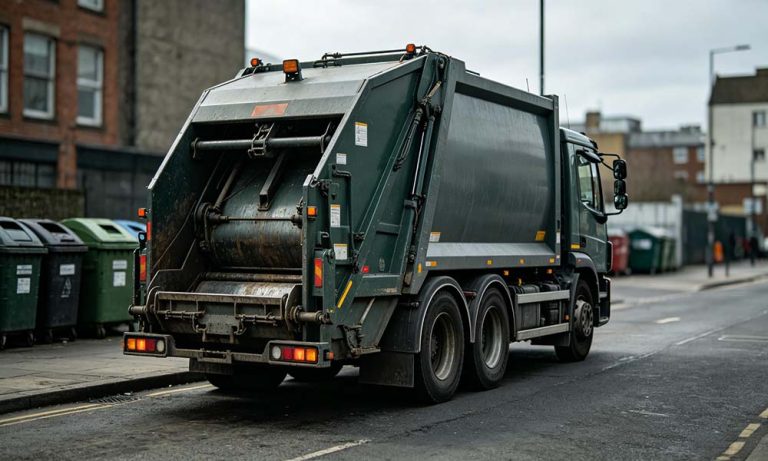
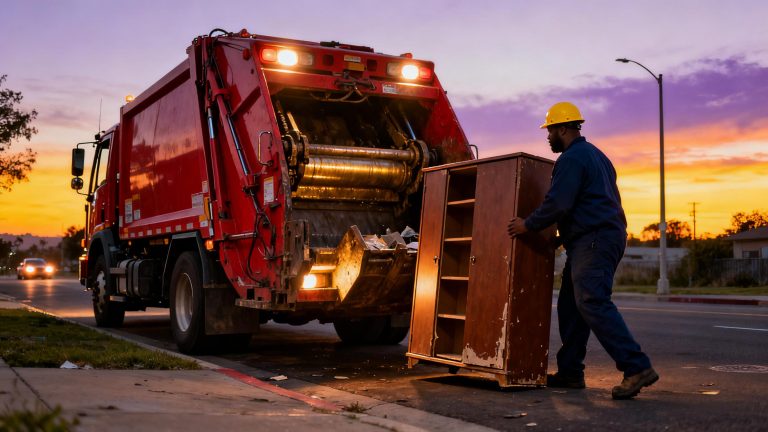
A garbage truck, often referred to as a refuse truck or waste collection vehicle, is designed to collect, transport, and sometimes compact waste from residential, commercial, and industrial areas. These vehicles play a central role in maintaining urban sanitation and ensuring that waste is handled efficiently and safely.
In many developing regions as well as large metropolitan cities, garbage trucks are part of daily operations that keep streets clean and prevent environmental contamination. For anyone entering the waste management industry or planning to purchase equipment, understanding how these vehicles function is essential.
What Is the Main Function of a Garbage Truck?
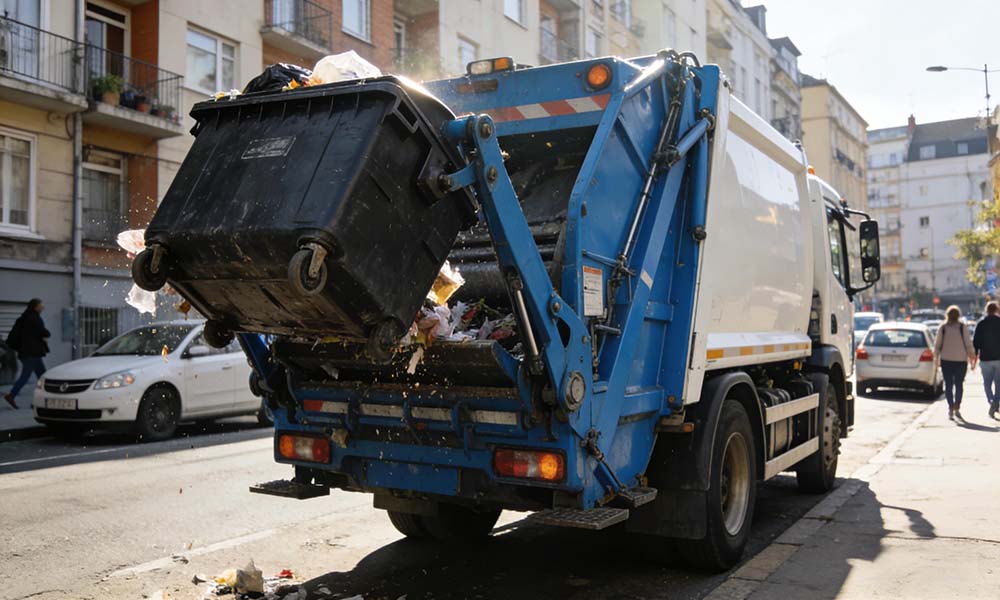
The primary function of a garbage truck is to simplify waste collection while improving efficiency. Instead of manually transporting waste, these vehicles integrate mechanical and hydraulic systems to handle large volumes quickly.
In real operations, a garbage truck typically performs three key tasks: collecting waste from bins, compressing it to maximize load capacity, and transporting it to a disposal or recycling facility. This integrated workflow significantly reduces labor costs and operational time.
Many modern trucks rely on hydraulic compaction systems to increase efficiency. A detailed explanation of how this mechanism works can be found in this guide on how garbage truck compactor works.
Common Types of Garbage Trucks
Garbage trucks are not all the same. Different types are designed for different working environments and waste collection methods.
Rear Loader Garbage Truck
Rear loader garbage trucks are widely used across cities and towns. Waste is loaded from the rear, either manually by workers or with the help of lifting mechanisms.
This type is particularly suitable for areas with narrow streets or mixed waste collection systems. It is also one of the most cost-effective options for municipalities starting a waste management program.
If you want to explore real configurations and available models, reviewing a rear loader garbage truck product page can provide a clearer understanding of structure and options.
Front Loader Garbage Truck
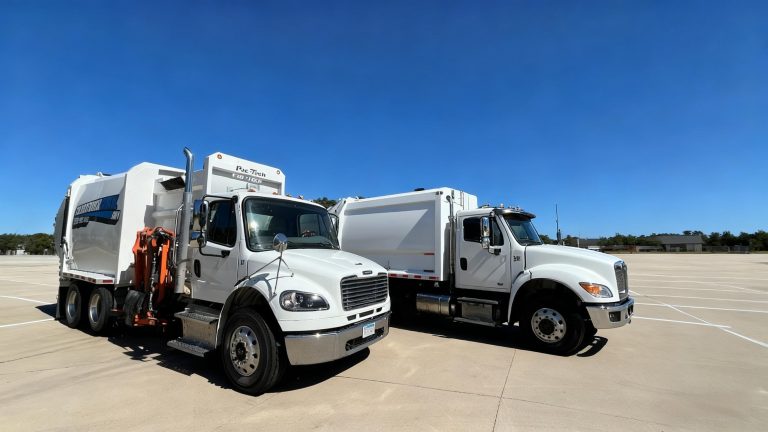
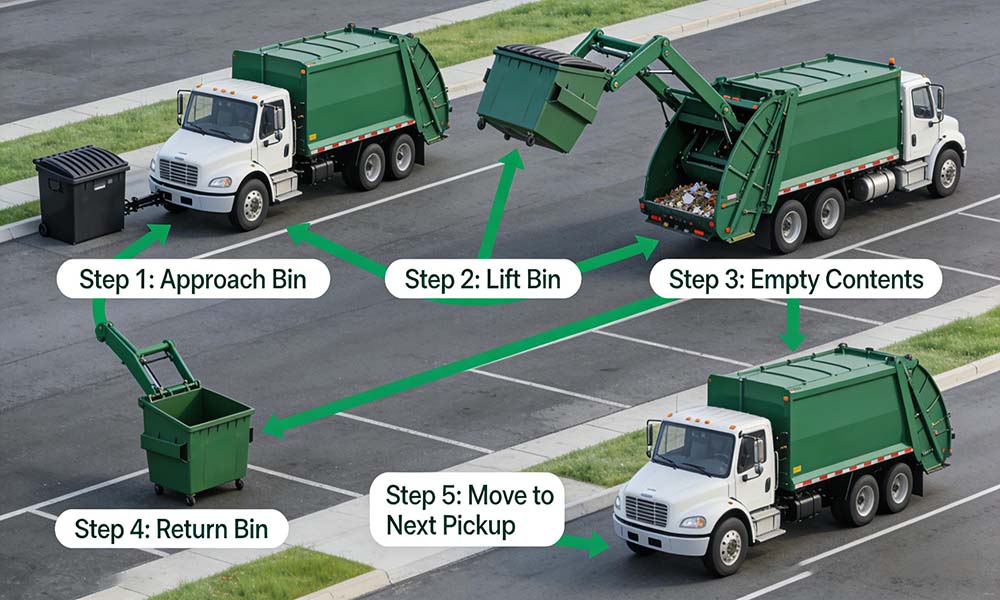
Front loader trucks are commonly used in commercial waste collection. They are equipped with hydraulic arms that lift large dumpsters and empty them into the truck.
This type is highly efficient for businesses such as supermarkets, warehouses, and industrial facilities that generate large amounts of waste on a daily basis.
Side Loader Garbage Truck
Side loader garbage trucks are designed for automation. Some models allow a single operator to control the entire loading process, reducing labor requirements.
They are often used in developed urban areas where standardized bins and automated systems are widely adopted.
Key Components of a Garbage Truck
Understanding the structure of a garbage truck helps in evaluating performance, maintenance needs, and long-term cost.
Compactor System
The compactor is one of the most important parts of the truck. It compresses waste, allowing more material to be transported in a single trip. This reduces fuel consumption and increases overall efficiency.
Capacity and compaction ratio are critical factors when choosing a truck. A practical reference for comparing different capacities can be found in this garbage truck capacity guide.
Hydraulic System
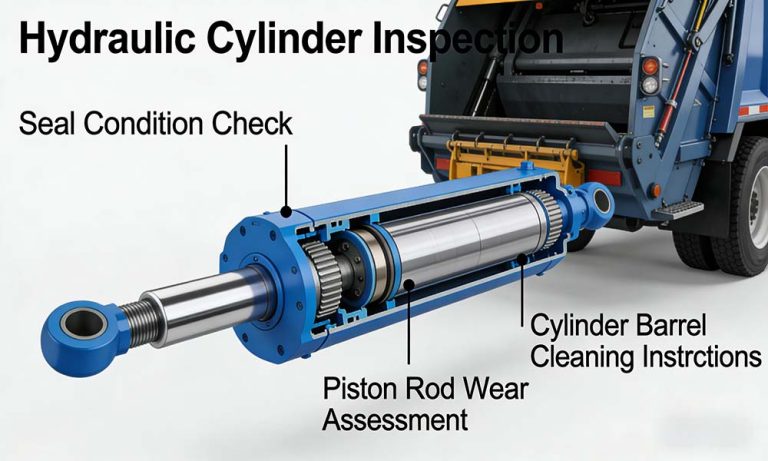
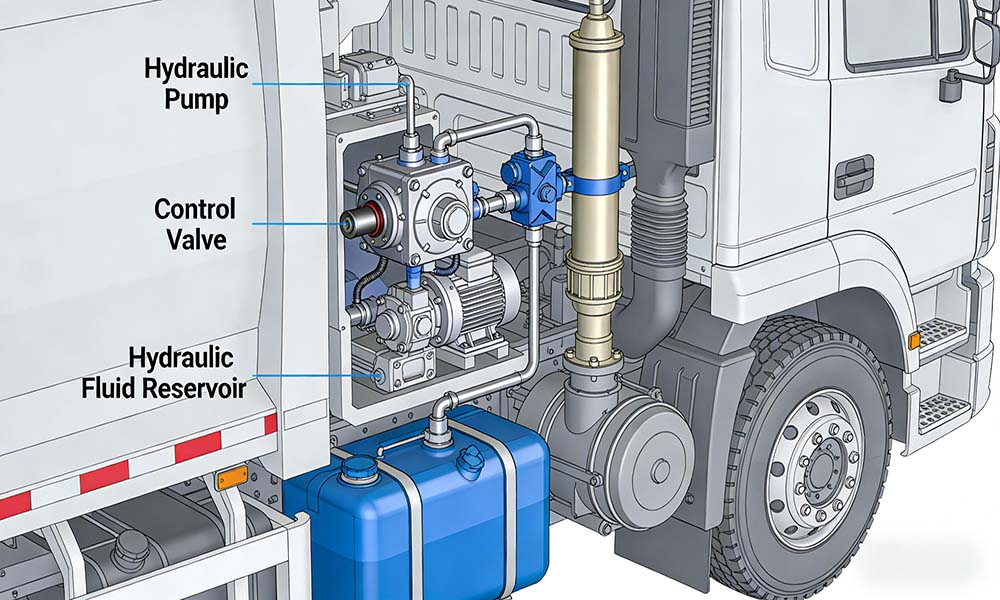
The hydraulic system powers most moving parts of the garbage truck, including lifting arms and compactors. A stable hydraulic system ensures smooth operation and reduces the risk of breakdowns.
Truck Chassis
The chassis forms the foundation of the vehicle. It determines load capacity, driving performance, and durability. Choosing a reliable chassis brand is essential for long-term use, especially in regions with challenging road conditions.
How Does a Garbage Truck Work in Practice?
In real-world operations, a garbage truck follows a systematic process:
- Waste is collected from designated bins
- The waste is loaded into the truck body
- The compactor compresses the waste
- The truck transports the load to a disposal site
- The waste is unloaded
This process is repeated multiple times per day, depending on route planning and waste volume. Efficient operation depends on both the vehicle design and the experience of the operator.
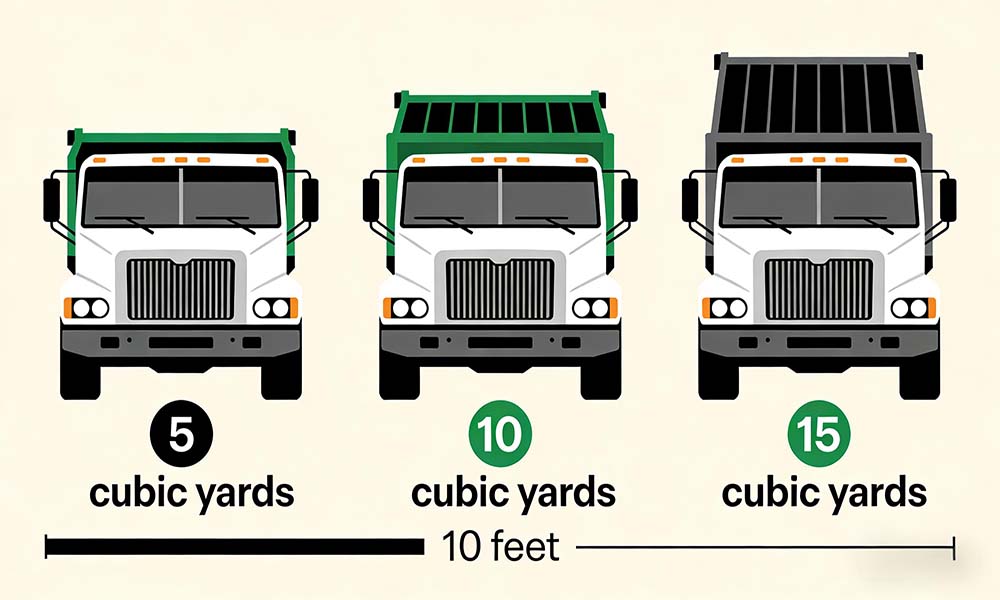
Garbage Truck Capacity and Size Options
Garbage trucks come in a range of sizes to meet different operational needs:
- Small capacity trucks: 3–6 cubic meters
- Medium capacity trucks: 8–12 cubic meters
- Large capacity trucks: 14–20 cubic meters
Selecting the right size depends on population density, route distance, and waste generation levels. Reviewing available configurations on a garbage truck for sale page can help buyers compare specifications more effectively.
Where Garbage Trucks Are Commonly Used
Garbage trucks are used in a wide range of scenarios:
- Municipal waste collection systems
- Industrial waste handling
- Construction site cleanup
- Recycling operations
Each scenario may require different configurations, such as higher compaction ratios or specialized loading systems.
Factors to Consider Before Choosing a Garbage Truck
When selecting a garbage truck, several practical factors should be considered:
- Type of waste being handled
- Road and terrain conditions
- Budget and operating costs
- Availability of spare parts and maintenance support
In many export markets, especially in Africa and Southeast Asia, buyers also need to consider shipping logistics and local regulations.
The Role of Garbage Trucks in Modern Cities
Garbage trucks are a key part of urban infrastructure. They help maintain sanitation, reduce environmental pollution, and support recycling systems.
As cities continue to expand, the demand for efficient and durable waste collection vehicles is increasing. Investing in the right equipment can make a significant difference in operational efficiency and long-term cost control.