Common Garbage Truck Compactor Failures and How to Prevent Them
Garbage truck compactors operate in demanding conditions, combining high hydraulic pressure, heavy loads, and frequent cycles. Over time, even well-designed systems may experience failures if operating conditions or maintenance practices are not properly managed.
This article outlines the most common garbage truck compactor failures and explains how they can be prevented through correct operation and design choices.
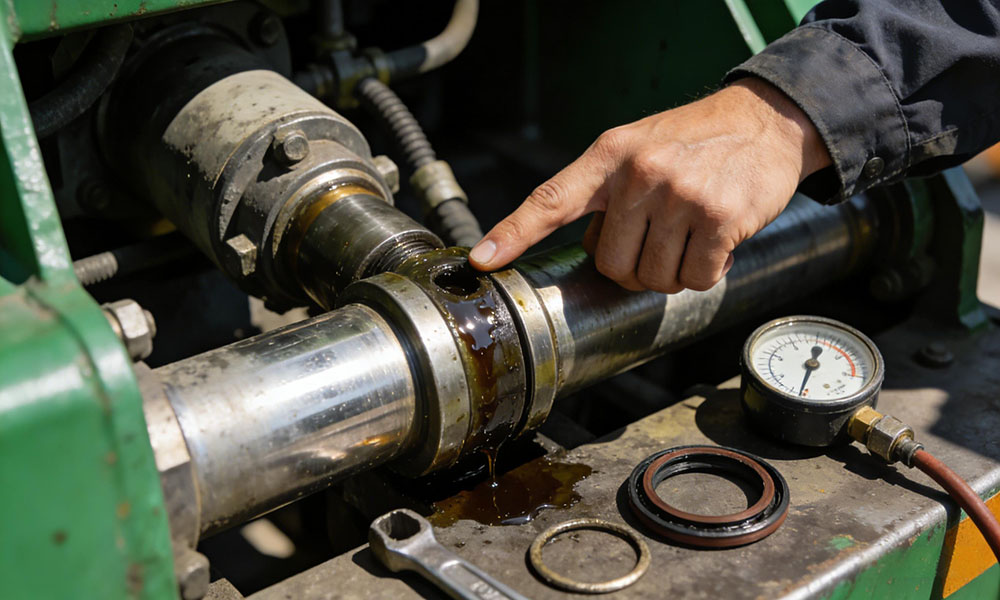
Why Understanding Failure Patterns Matters
Many compactor failures are not random. They follow predictable patterns caused by overload, poor maintenance, or mismatched waste types. Recognizing early warning signs helps prevent minor issues from turning into major breakdowns.
Preventive knowledge reduces downtime and extends equipment lifespan.
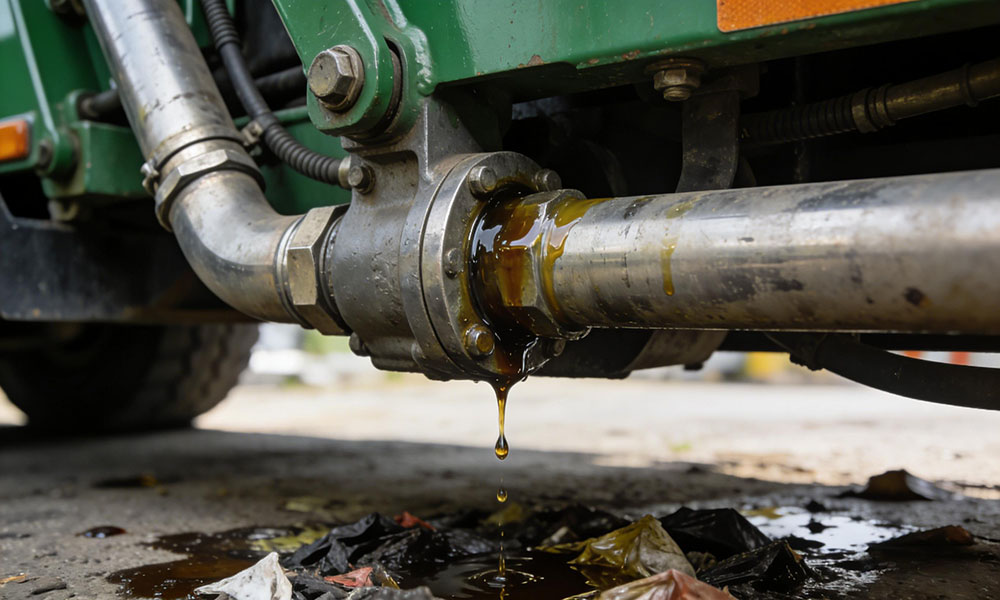
Failure 1: Hydraulic Oil Leaks
Causes
- Worn seals or hoses
- Excessive pressure spikes
- Contaminated hydraulic oil
Hydraulic leaks reduce system pressure and can cause erratic compaction cycles.
Prevention
- Inspect hoses and seals regularly
- Replace oil according to schedule
- Maintain stable operating pressure
Failure 2: Slow or Inconsistent Compaction Cycles
Causes
- Low hydraulic flow rate
- Air trapped in the hydraulic system
- Blocked filters
Slow cycles reduce route efficiency and increase fuel consumption.
Prevention
- Bleed air from hydraulic lines
- Replace clogged filters
- Monitor pump performance
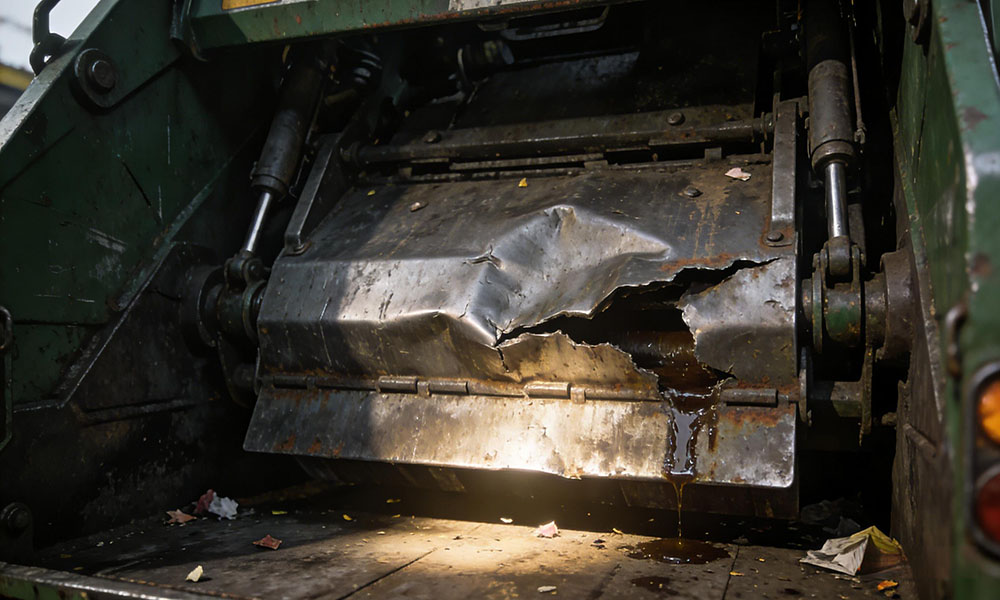
Failure 3: Compaction Plate Deformation or Cracking
Causes
- Overloading with high-density waste
- Uneven waste distribution
- Insufficient structural reinforcement
Once deformation occurs, compaction efficiency drops significantly.
Prevention
- Match compactor design to waste type
- Load waste evenly
- Use reinforced compaction plates
Failure 4: Tailgate Seal and Locking Issues
Causes
- Seal wear due to abrasive waste
- Misaligned locking cylinders
- Poor maintenance
Tailgate issues can lead to leakage and safety hazards.
Prevention
- Inspect seals regularly
- Adjust locking mechanisms
- Clean sealing surfaces frequently
Failure 4: Tailgate Seal and Locking Issues
Causes
- Seal wear due to abrasive waste
- Misaligned locking cylinders
- Poor maintenance
Tailgate issues can lead to leakage and safety hazards.
Prevention
- Inspect seals regularly
- Adjust locking mechanisms
- Clean sealing surfaces frequently
How Design Quality Reduces Failure Rates
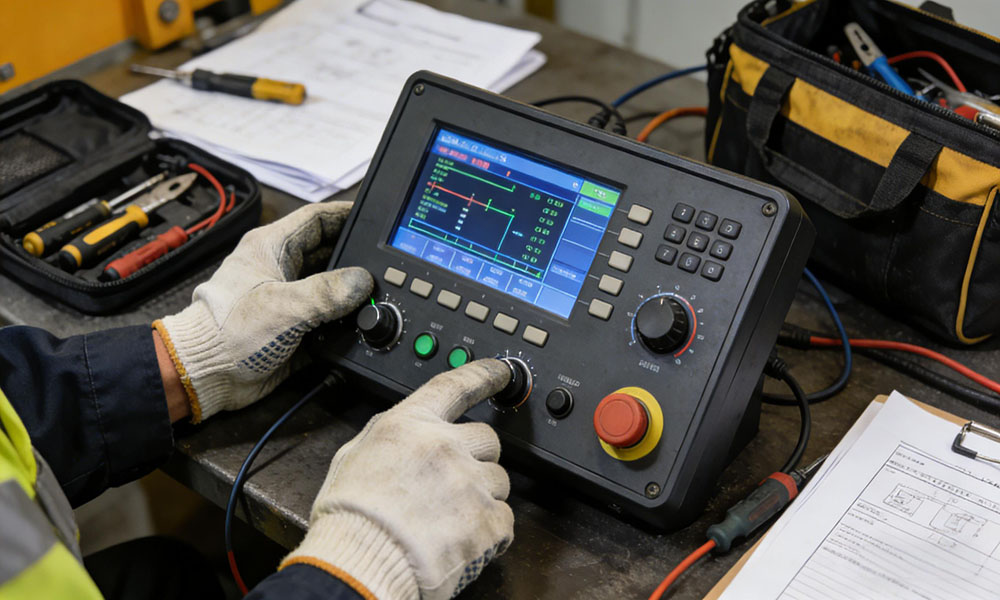
Many failures originate from design limitations rather than operator error. Compactors engineered with proper hydraulic tuning, reinforced structures, and integrated safety systems show significantly lower failure rates.
Manufacturers such as tops vehicles incorporate real-world operating feedback into compactor design, reducing common failure points through engineering optimization.
The Role of Preventive Maintenance
Preventive maintenance is the most effective way to avoid unexpected failures. Routine inspections, timely oil changes, and operator training all contribute to stable long-term performance.
Prevention Is More Cost-Effective Than Repair
Understanding common garbage truck compactor failures allows fleet managers to take proactive measures. Preventing issues before they escalate saves time, money, and operational disruption.
Choosing well-designed equipment and following proper maintenance practices ensures reliable performance throughout the compactor’s service life.