Common Garbage Truck Compactor Failures and Troubleshooting Guide
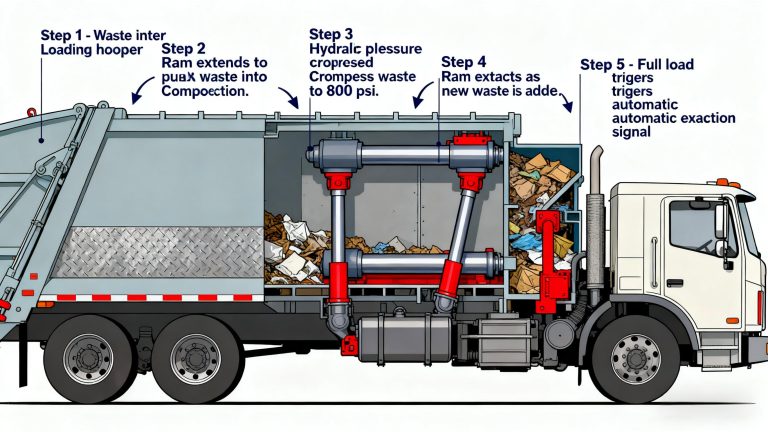
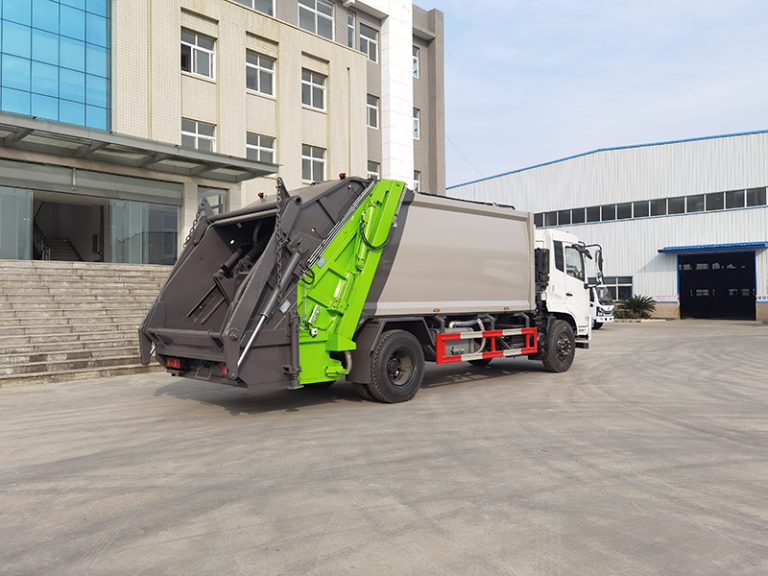
Garbage truck compactors are designed to operate under demanding conditions. Every day, these machines compress large volumes of waste, allowing municipalities and waste management companies to improve collection efficiency and reduce transportation costs.
However, due to continuous heavy-duty operation, garbage truck compactors may experience mechanical or hydraulic failures over time. When these issues occur, they can disrupt waste collection schedules and increase maintenance costs.
Understanding the most common garbage truck compactor failures and how to troubleshoot them can help fleet operators minimize downtime and maintain reliable waste collection services.
Why Garbage Truck Compactor Failures Occur
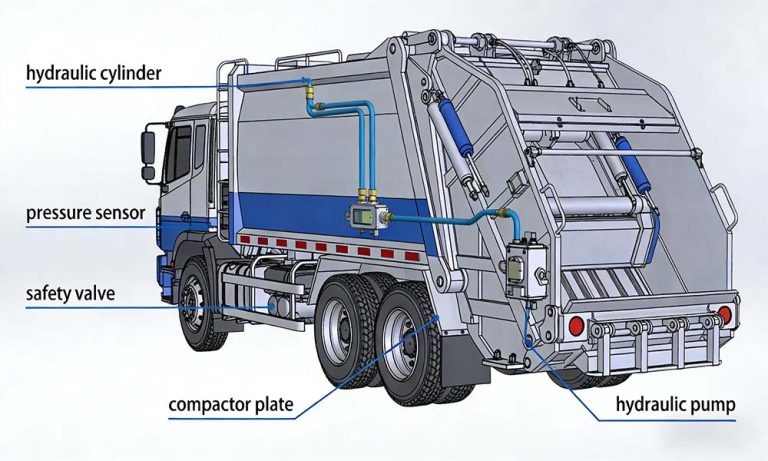
Garbage truck compactors operate with high hydraulic pressure, mechanical movement, and exposure to various waste materials. Over time, several factors may contribute to equipment failure:
- Hydraulic system wear
- Mechanical component fatigue
- Improper maintenance
- Contaminated hydraulic oil
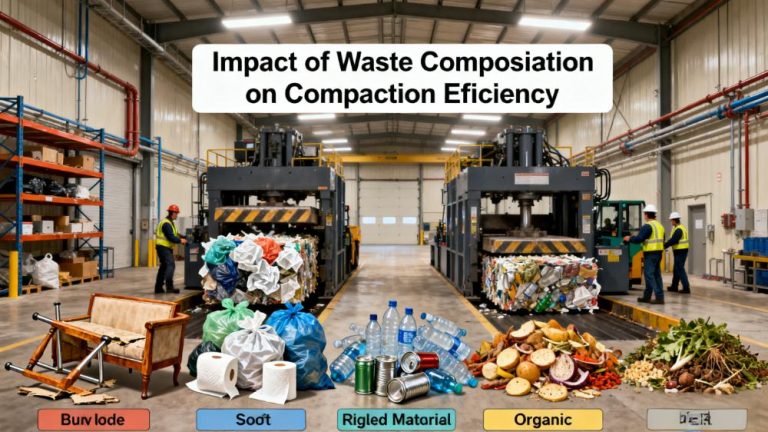
- Overloading during compaction
Regular inspection and preventive maintenance can significantly reduce the likelihood of these failures.
Common Garbage Truck Compactor Problems
1 Hydraulic System Leakage
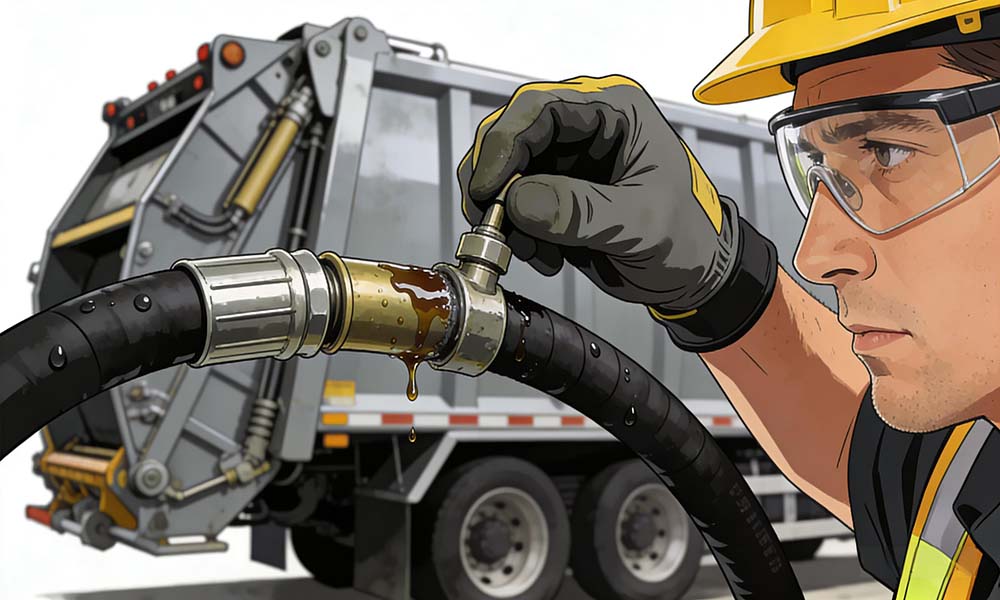
Hydraulic leakage is one of the most frequent issues in garbage truck compactors. Since the hydraulic system powers the compaction process, any leakage can reduce system pressure and affect compaction efficiency.
Common causes include:
- Worn hydraulic seals
- Damaged hoses
- Loose hydraulic fittings
Solution:
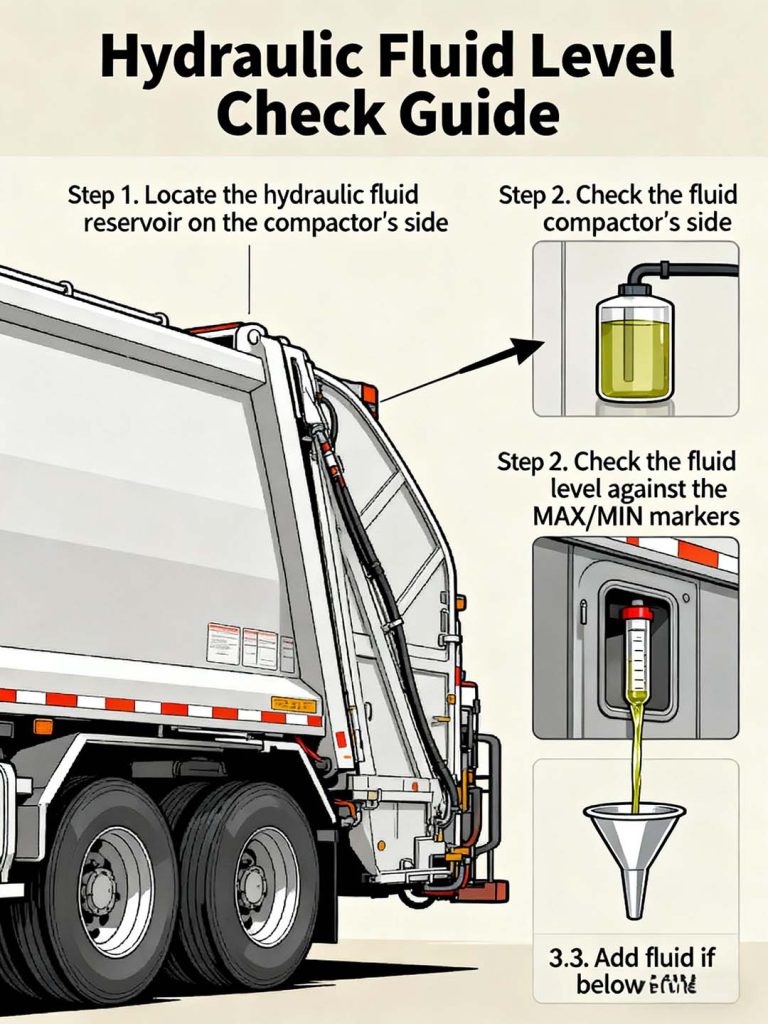
Inspect hydraulic hoses and cylinder seals regularly. If leakage is detected, replace damaged components immediately and refill hydraulic oil to the correct level.
2 Compaction Plate Not Moving Properly
Another common issue occurs when the compaction plate fails to move smoothly or stops during operation.
Possible causes:
- Insufficient hydraulic pressure
- Obstruction inside the waste container
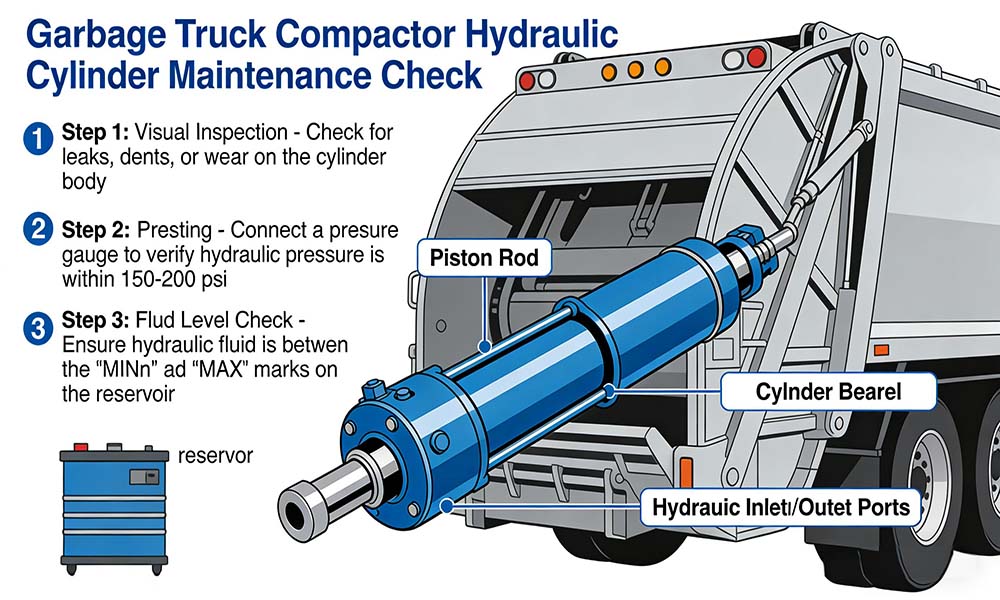
- Faulty hydraulic cylinder
Solution:
Check hydraulic pressure levels and inspect the compaction chamber for debris. If the hydraulic cylinder is damaged, it should be repaired or replaced.
3 Slow Compaction Speed
If the compaction cycle becomes noticeably slower, the hydraulic system may be experiencing performance problems.
Possible reasons include:
- Contaminated hydraulic oil
- Hydraulic pump wear
- Clogged oil filters
Solution:
Replace hydraulic oil and filters regularly. If the pump performance has declined, professional inspection or replacement may be required.
4 Control System Malfunction
Modern garbage truck compactors often rely on electronic control systems to automate the compaction cycle. When the control system fails, the compactor may not respond correctly.
Common causes include:
- Sensor failure
- Electrical wiring damage
- Control panel malfunction
Solution:
Inspect wiring connections and sensors. Faulty electrical components should be repaired by trained technicians.
Preventing Garbage Truck Compactor Failures
Preventive maintenance is the best way to reduce unexpected breakdowns.
Recommended preventive practices include:
Daily checks
- Inspect hydraulic hoses and fittings
- Check oil levels
- Test compaction cycles
Weekly checks
- Inspect structural components
- Lubricate moving parts
Monthly maintenance
- Replace filters
- Check hydraulic pressure
These simple procedures can significantly extend the service life of garbage truck compactors.
Choosing Reliable Garbage Truck Compactors
Another important factor in reducing equipment failures is selecting reliable waste collection equipment from experienced manufacturers.
Professional manufacturers such as Tops Vehicles design garbage truck compactors with durable hydraulic systems and reinforced structural components. High-quality engineering reduces the risk of common failures and improves long-term reliability in municipal waste operations.
If you are planning to expand or upgrade your waste management fleet, exploring advanced garbage truck compactor solutions from Tops Vehicles can help ensure efficient and dependable waste collection.
Garbage truck compactors are essential equipment in modern waste management systems, but like any heavy machinery, they require proper maintenance and troubleshooting.
By understanding common failures such as hydraulic leakage, slow compaction cycles, and control system malfunctions, fleet operators can quickly identify problems and take corrective action.
Regular inspections, preventive maintenance, and high-quality equipment are key to ensuring reliable garbage truck compactor performance and maintaining efficient waste collection