Garbage Truck Compactor Maintenance Guide and Common Failure Causes
Reliable operation of a Müllwagenpresse depends largely on routine maintenance and early fault detection. In real-world fleet operation, most compactor failures are gradual and preventable rather than sudden mechanical breakdowns.
This guide focuses on practical maintenance actions and the most common causes of compactor malfunction.
Routine Maintenance Checks for Compactor Systems
Regular inspection helps operators identify minor issues before they escalate into costly repairs.
Key maintenance tasks include:
- Inspecting hydraulic hoses and fittings for leaks
- Checking hydraulic oil level and contamination
- Cleaning waste residue from the hopper and slide rails
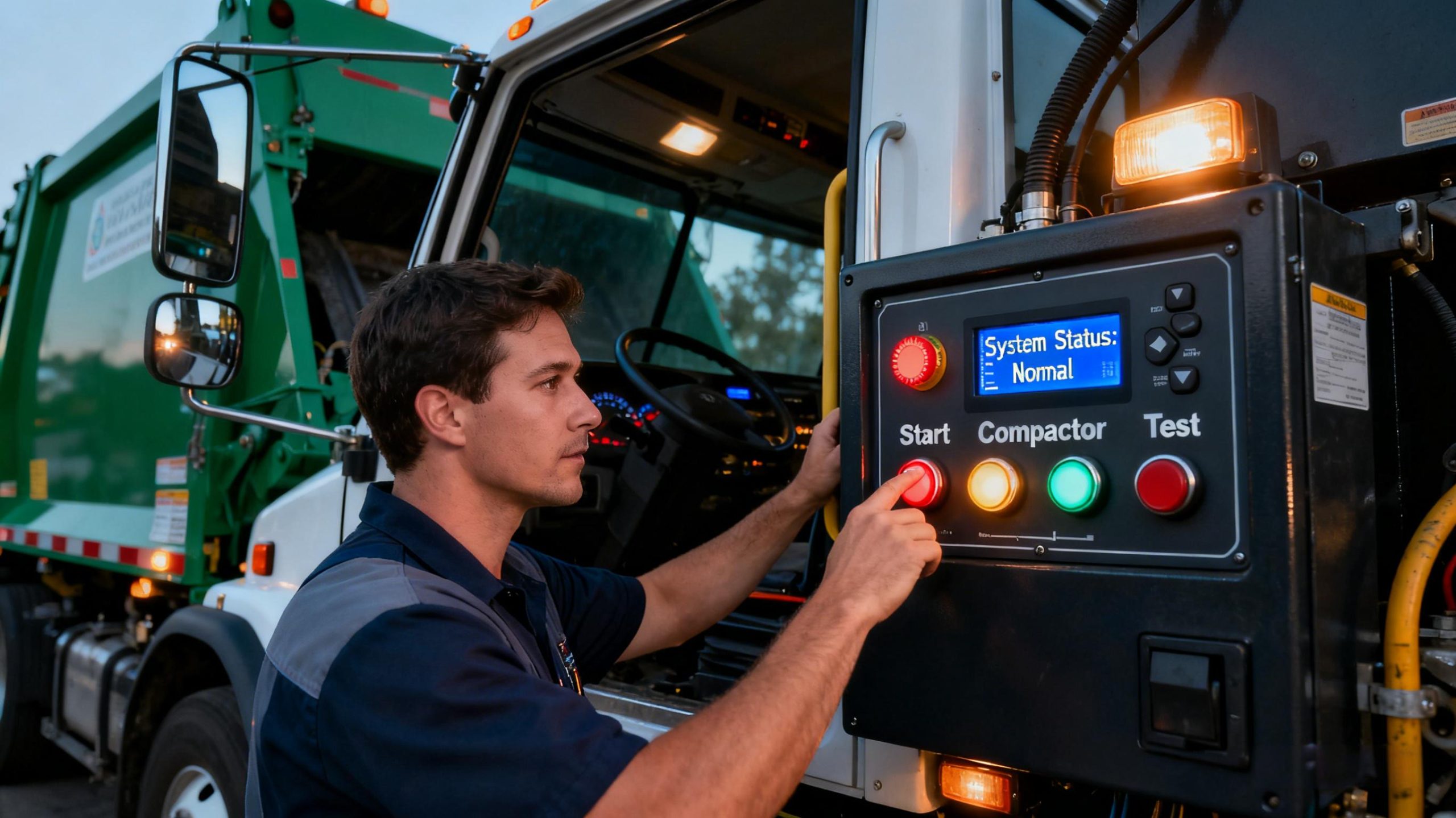
- Testing electrical controls and limit switches
For a clear understanding of how these components interact, refer to the
👉 garbage truck compactor structure
Hydraulic System Problems and Early Warning Signs
Hydraulic-related issues account for most compactor downtime. Early symptoms often appear as:
- Slower or uneven compaction cycles
- Abnormal pressure fluctuations
- Excessive hydraulic oil temperature
- Inconsistent cylinder movement
These signs typically indicate internal leakage, valve wear, or oil contamination.
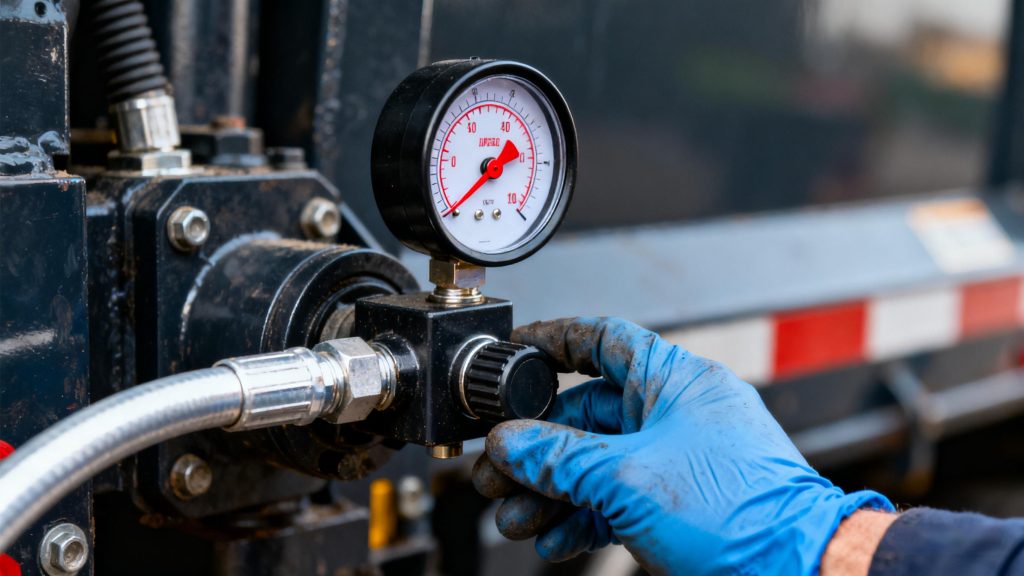
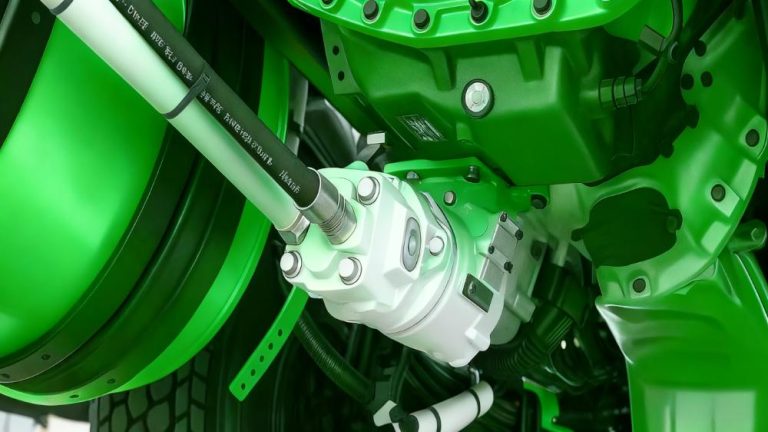
Understanding hydraulic output and pressure control is critical.
👉 hydraulic power system of garbage truck compactor
High-Wear Components That Need Close Attention
Certain compactor parts are subject to continuous mechanical stress:
- Compaction plates
- Slide rails and guide blocks
- Hydraulic cylinder seals
- Pins and bushings
Ignoring early wear often results in misalignment, increased friction, and reduced compaction efficiency.
Common Causes of Garbage Truck Compactor Failure
Field data shows that most failures are caused by operational factors:
- Overloading beyond rated capacity
- Repeated full-pressure cycles on light waste
- Uneven waste loading inside the hopper
- Delayed hydraulic oil and filter replacement
Safe operating habits play a major role in failure prevention.
👉 garbage truck compactor safety and operation
Preventive Maintenance for Long-Term Reliability
Establishing a preventive maintenance schedule reduces unplanned downtime and extends service life. Proper documentation of inspections, oil changes, and part replacement ensures consistent performance across the fleet.