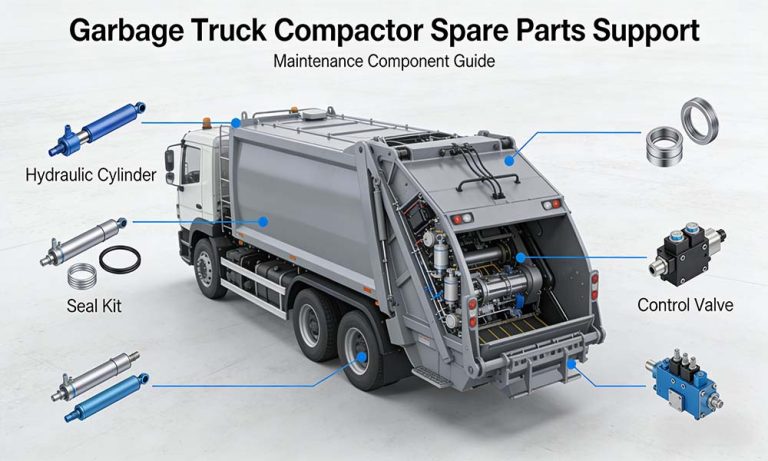
Garbage Truck Compactor vs Waste Types: Choosing the Right Compaction System
Selecting the right garbage truck compactor is essential to ensure the system functions efficiently and meets your operational needs. Not all waste types are created equal, and different waste streams have distinct compaction needs. Understanding the differences between residential, commercial, industrial, and organic waste allows fleet managers to choose a compactor that maximizes efficiency, reduces operating costs, and extends service life.
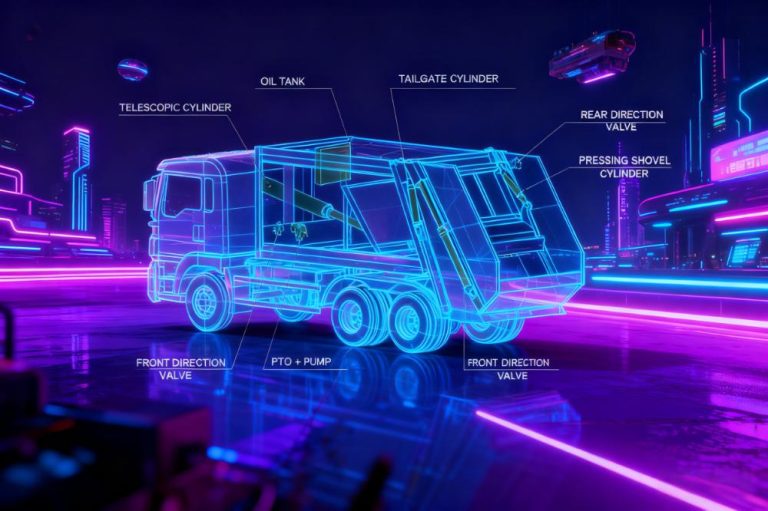
Verstehen, wie ein garbage truck compactor works is the foundation for choosing the right system for different waste types, especially when load density and moisture levels vary significantly.
In this article, we explore the various waste types and how to match them to the appropriate garbage truck compactor system. Whether you’re managing a municipal fleet, a construction site, or an organic waste program, knowing how to select the right compactor is the key to success.
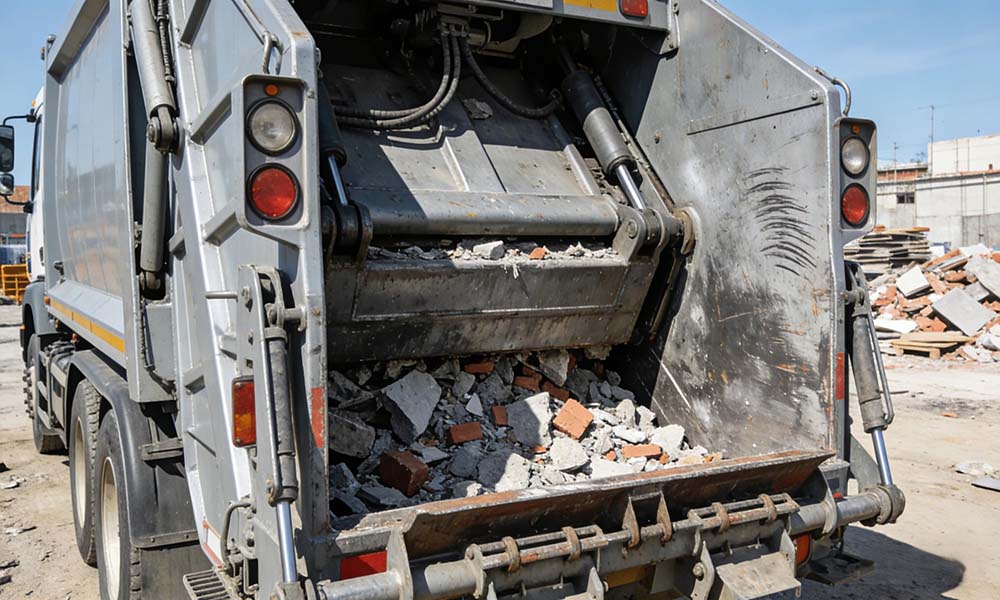
Residential Waste: Light, High-Volume Loads
Residential waste generally consists of bagged trash, food waste, paper, and packaging materials. The main challenge here is handling high volume rather than high density. Residential routes are often in urban or suburban settings, where space is limited and time is of the essence.
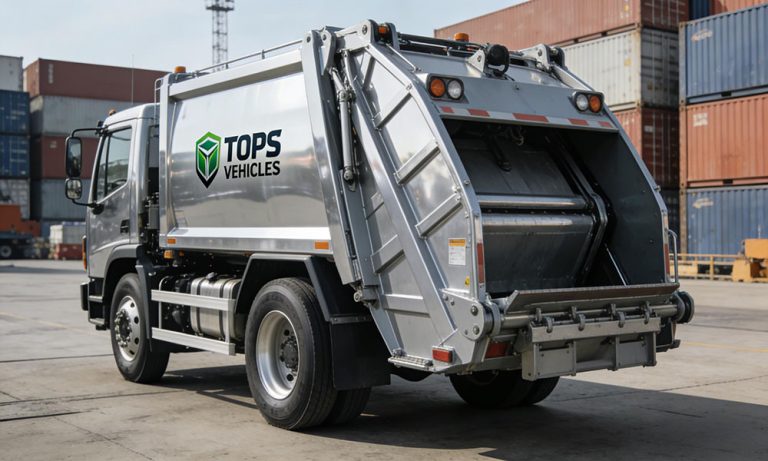
For municipal routes, a properly configured Hecklader-Müllwagen provides the best balance between speed, flexibility, and compaction efficiency.
Key Features for Residential Waste Compactors
- Moderate compaction pressure to handle diverse materials.
- Quick cycle times to ensure faster loading and reduce route time.
- Capacity flexibility for waste bags, boxes, and soft packaging.
For residential waste, a rear loader compactor is usually the best option. This type of compactor is designed to handle mixed, lightweight waste efficiently, making it ideal for urban neighborhoods with variable waste types.
Commercial Waste: Mixed Density and Bulky Items
Commercial waste typically includes cardboard, packaging materials, and other mixed refuse from businesses. The waste density is higher than residential waste, and bulky items such as furniture or equipment may need to be processed.
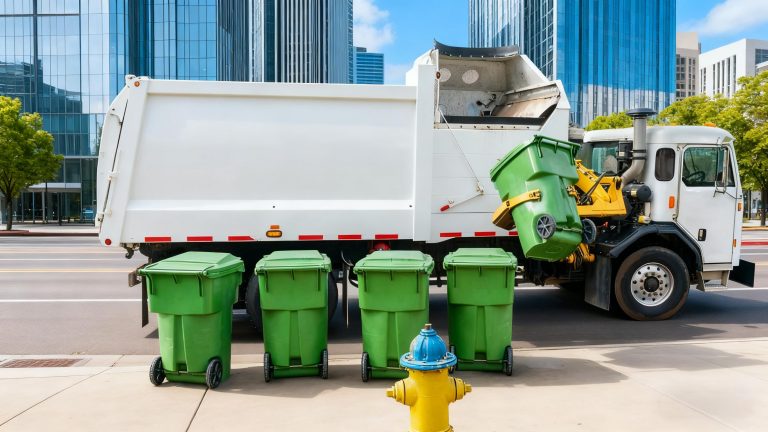
In high-frequency commercial routes, a Seitenlader-Müllwagen helps reduce labor costs while maintaining consistent compaction performance.
Key Features for Commercial Waste Compactors
- Reinforced compaction plates to handle denser waste.
- Adjustable hydraulic pressure to adapt to different waste types.
- Extended compaction cycles to handle bulky waste.
For commercial applications, both side loader and rear loader compactors can be effective. Side loaders work well for uniform bins and high-frequency routes, while rear loaders are better suited for varied waste and bulky items. A compactor for commercial waste should also be designed for higher durability und longer operational cycles.
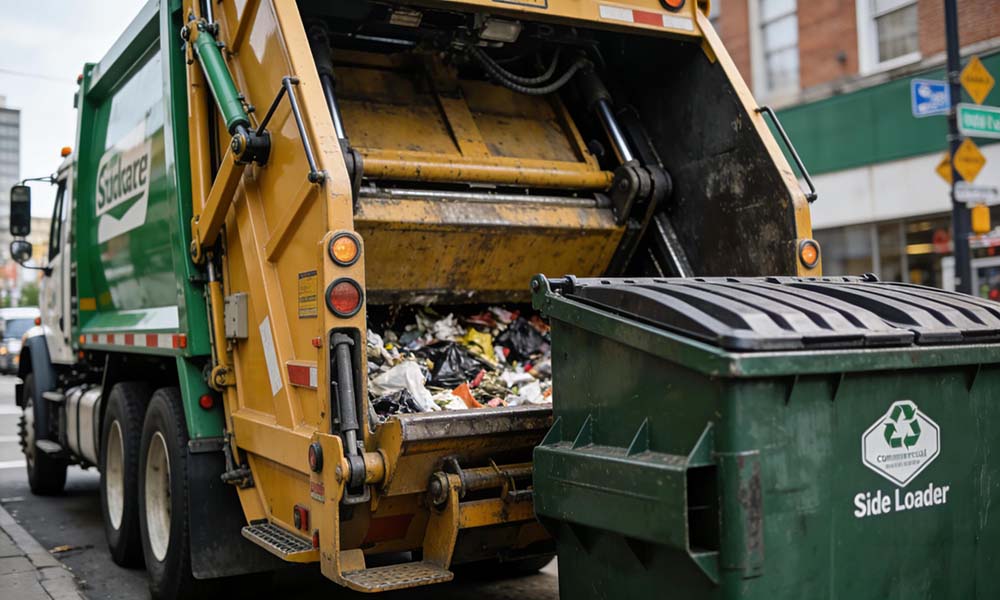
Construction Waste: Heavy and High-Density Materials
Construction waste typically includes materials like concrete, metal, rubble, and wood, which are much denser than household or commercial waste. The compaction system for construction debris must be robust and capable of handling heavy loads.
Key Features for Construction Waste Compactors
- Heavy-duty compaction plates to withstand high-density waste.
- High hydraulic pressure to apply greater force for dense materials.
- Reinforced structural components to handle extreme stress.
For construction waste, a rear loader compactor with reinforced hydraulic systems und heavy-duty compaction plates is ideal. These systems are built to handle the harsh conditions of construction sites, where debris varies in size and weight.
Compared with residential refuse, construction debris requires a heavy-duty garbage truck compactor designed for high-density and abrasive materials.
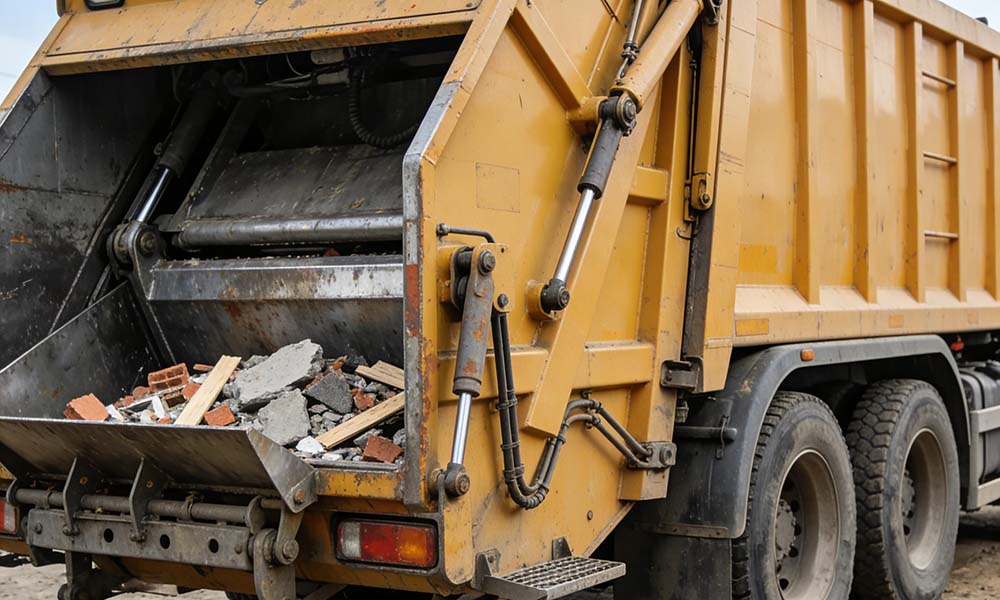
Organic Waste: Moisture and Corrosion Challenges
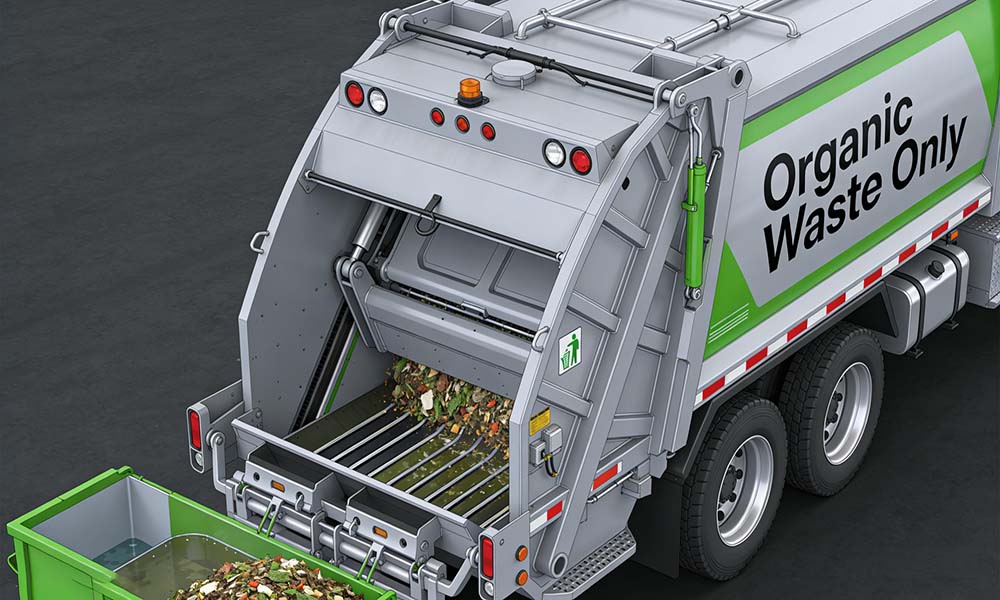
Organic waste, such as food scraps, garden trimmings, and agricultural refuse, presents unique challenges due to its moisture content. Wet waste is heavier than dry waste and can accelerate the wear and tear of compactor components if not handled properly.
Key Features for Organic Waste Compactors
- Corrosion-resistant materials to prevent degradation in humid conditions.
- Proper drainage systems to remove excess water from organic waste.
- Sealed hydraulic systems to prevent moisture contamination.
Selecting a compactor with proper sealing and drainage is critical for organic waste, as explained in our garbage truck compactor maintenance guide.
For organic waste, it’s important to have a compactor designed with water drainage und corrosion protection in mind. A side loader compactor with specialized features for wet waste handling is often the most effective choice for these applications.
Choosing the Right Garbage Truck Compactor for Your Waste Type
Step 1: Understand Your Waste Stream
The first step in selecting the right compactor is to understand your waste stream. Is your waste predominantly light (residential), bulky (commercial), or heavy (construction)? Do you need a system capable of handling wet waste, such as food scraps or yard clippings?
Step 2: Match Compactor Features to Waste Characteristics
Once you have a clear understanding of your waste type, you can match the compactor’s compaction power, cycle time, and structural integrity to ensure it can handle the demands of your specific waste stream.
For example:
- Residential Waste: Moderate pressure and quick cycles
- Commercial Waste: High-density materials with adjustable pressure
- Construction Waste: Heavy-duty systems with reinforced plates
- Organic Waste: Corrosion-resistant systems with proper drainage
Step 3: Consider Route Conditions and Operational Efficiency
Don’t forget to consider the route conditions. Urban routes with narrow streets may benefit from a side loader, while more flexible routes can use a rear loader. Speed, maneuverability, and operator safety are all important factors.
Optimize Your Waste Collection System
Choosing the right compactor for different waste types is essential to optimizing your waste collection system. A well-suited compactor ensures more efficient compaction, reduced operational costs, and a longer lifespan for your equipment.
For further information on garbage truck compactor systems, check out our garbage truck compactor guide, which covers compactor types, features, and maintenance tips.