Οδηγός χωρητικότητας απορριμματοφόρων: Πώς να επιλέξετε
Η χωρητικότητα του απορριμματοφόρου είναι ένας από τους σημαντικότερους παράγοντες που πρέπει να ληφθούν υπόψη κατά την επιλογή ενός οχήματος αποκομιδής απορριμμάτων. Η σωστή χωρητικότητα επηρεάζει άμεσα τη λειτουργική αποδοτικότητα, το κόστος μεταφοράς και τη συνολική παραγωγικότητα.
Για τους δήμους, τους εργολάβους και τις ιδιωτικές εταιρείες διαχείρισης αποβλήτων, η επιλογή του σωστού μεγέθους φορτηγού εξασφαλίζει βέλτιστη απόδοση και αποφεύγει περιττά έξοδα. Η κατανόηση του τρόπου μέτρησης της χωρητικότητας και της σχέσης της με τις διάφορες εφαρμογές είναι απαραίτητη για τη λήψη της σωστής απόφασης.
Τι σημαίνει χωρητικότητα απορριμματοφόρου;
Η χωρητικότητα του απορριμματοφόρου αναφέρεται συνήθως στον όγκο των απορριμμάτων που μπορεί να χωρέσει το φορτηγό, μετρούμενο σε κυβικά μέτρα (m³). Δείχνει πόσα απορρίμματα μπορούν να συλλεχθούν πριν το φορτηγό χρειαστεί να αδειάσει.
Ωστόσο, η χωρητικότητα δεν αφορά μόνο τον όγκο. Εξαρτάται επίσης από:
- Αναλογία συμπίεσης
- Τύπος αποβλήτων
- Σχεδιασμός φορτηγού
Η κατανόηση αυτών των παραγόντων βοηθά τους αγοραστές να αξιολογήσουν την πραγματική ικανότητα εργασίας και όχι μόνο τον θεωρητικό όγκο.
Για να κατανοήσουν καλύτερα πώς η συμπίεση επηρεάζει τη χωρητικότητα, οι αγοραστές συχνά εξετάζουν εξήγηση χωρητικότητας συμπίεσης απορριμματοφόρου πριν επιλέξετε ένα μοντέλο.
Κοινά εύρη χωρητικότητας απορριμματοφόρων
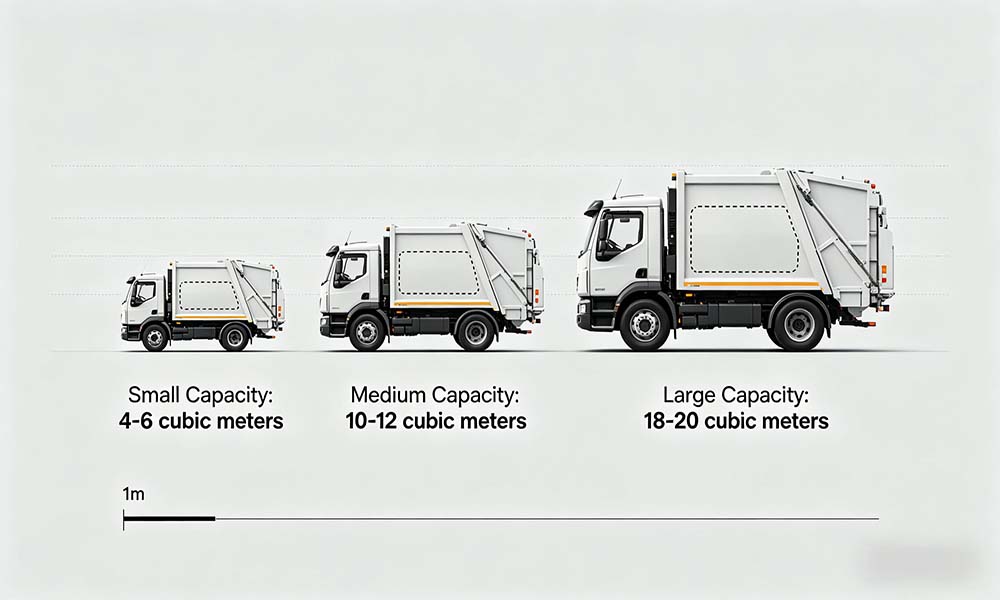
Τα απορριμματοφόρα χωρίζονται συνήθως σε τρεις κύριες κατηγορίες με βάση τη χωρητικότητά τους.
Μικρά απορριμματοφόρα (3-6 m³)
Αυτά τα φορτηγά είναι κατάλληλα για:
- Στενοί δρόμοι
- Μικρές κοινότητες
- Αγροτικές περιοχές
Είναι εύχρηστα και οικονομικά αποδοτικά, αλλά έχουν περιορισμένη χωρητικότητα.
Μεσαία απορριμματοφόρα (8-12 m³)
Αυτή είναι η πιο συχνά χρησιμοποιούμενη κατηγορία.
Κατάλληλο για:
- Αστικές κατοικημένες περιοχές
- Μεσαίου μεγέθους διαδρομές
- Δημοτικές υπηρεσίες
Προσφέρουν ισορροπία μεταξύ χωρητικότητας και ευελιξίας.
Μεγάλα απορριμματοφόρα (14-20 m³)
Αυτά τα φορτηγά έχουν σχεδιαστεί για:
- Συλλογή αποβλήτων μεγάλου όγκου
- Βιομηχανικές ζώνες
- Μεγάλες πόλεις
Μειώνουν τον αριθμό των απαιτούμενων διαδρομών, αλλά απαιτούν φαρδύτερους δρόμους και περισσότερο χώρο.
Οι αγοραστές συχνά συγκρίνουν αυτές τις επιλογές χρησιμοποιώντας ένα οδηγός επιλογής μεγέθους απορριμματοφόρου για να καθορίσουν ποια κατηγορία ταιριάζει καλύτερα στις ανάγκες τους.
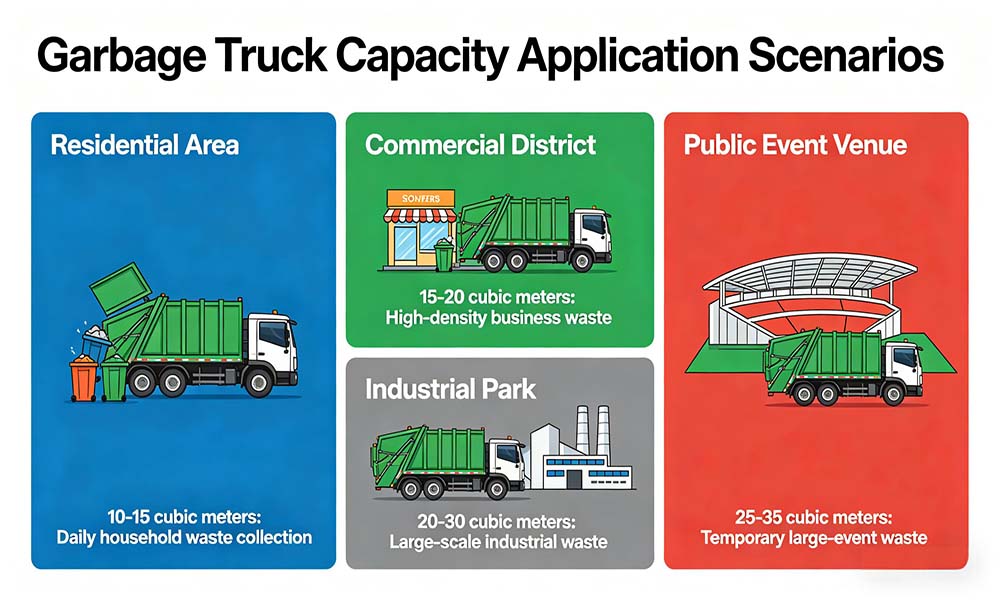
Διαφορές χωρητικότητας ανά τύπο φορτηγού
Οι διάφοροι τύποι απορριμματοφόρων προσφέρουν διαφορετικά εύρη χωρητικότητας.
Χωρητικότητα οπίσθιου φορτωτή
Τα φορτηγά με οπίσθιο φορτωτή κυμαίνονται συνήθως από 6 m³ έως 20 m³ και χρησιμοποιούνται ευρέως λόγω της ευελιξίας τους.
Χωρητικότητα εμπρόσθιου φορτωτή
Τα φορτηγά με εμπρόσθιο φορτωτή έχουν συνήθως μεγαλύτερη χωρητικότητα, συχνά μεταξύ 10 m³ και 20 m³, γεγονός που τα καθιστά κατάλληλα για την αποκομιδή εμπορικών απορριμμάτων.
Χωρητικότητα πλευρικού φορτωτή
Τα φορτηγά πλευρικού φορτωτή κυμαίνονται γενικά από 10 m³ έως 18 m³ και είναι βελτιστοποιημένα για αυτοματοποιημένα συστήματα συλλογής.
Η κατανόηση των επιδόσεων κάθε τύπου βοηθά τους αγοραστές να επιλέξουν την καταλληλότερη διαμόρφωση. Πολλοί αγοραστές αναθεωρούν σύγκριση χωρητικότητας τύπου απορριμματοφόρου πριν από τη λήψη αποφάσεων.
Παράγοντες που επηρεάζουν την πραγματική χωρητικότητα
Η πραγματική χωρητικότητα ενός απορριμματοφόρου εξαρτάται από διάφορους παράγοντες.
Λόγος συμπίεσης
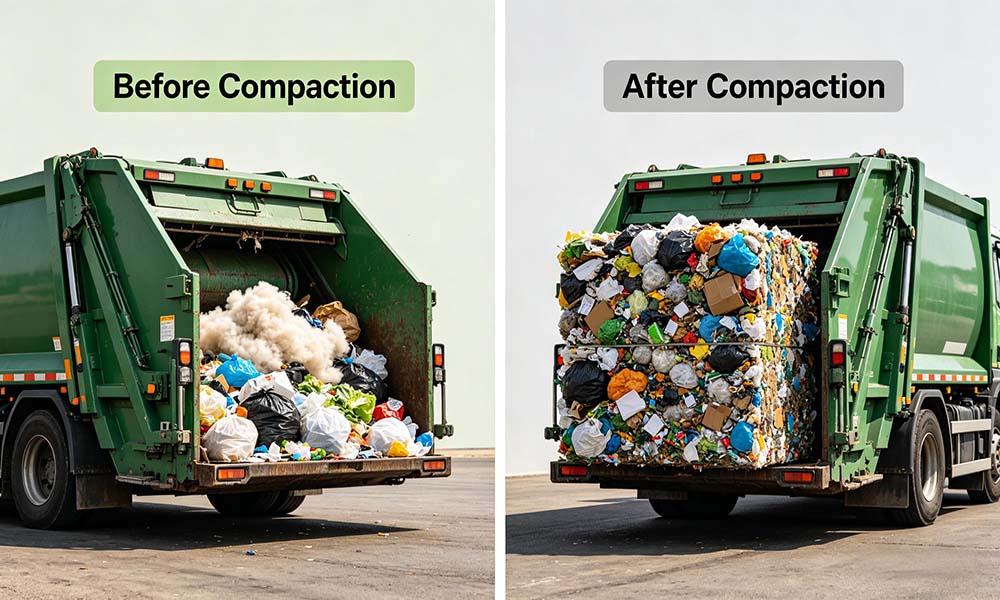
Τα συστήματα συμπίεσης μπορούν να αυξήσουν σημαντικά την αποτελεσματική χωρητικότητα με τη συμπίεση των αποβλήτων.
Τύπος αποβλήτων
Τα χαλαρά απορρίμματα καταλαμβάνουν περισσότερο χώρο, ενώ τα συμπαγή απορρίμματα επιτρέπουν μεγαλύτερη χωρητικότητα φορτίου.
Μέθοδος φόρτωσης
Η χειροκίνητη φόρτωση έναντι της αυτοματοποιημένης φόρτωσης μπορεί να επηρεάσει το πόσο αποτελεσματικά χρησιμοποιείται ο χώρος.
Σχεδιασμός διαδρομής
Οι σύντομες διαδρομές μπορεί να απαιτούν μικρότερα φορτηγά, ενώ οι μεγάλες διαδρομές επωφελούνται από μεγαλύτερη χωρητικότητα.
Οι αγοραστές συχνά αναλύουν αυτούς τους παράγοντες χρησιμοποιώντας μια μέθοδο υπολογισμού της χωρητικότητας των απορριμματοφόρων για να εκτιμήσουν καλύτερα τις επιδόσεις στον πραγματικό κόσμο.
Πώς να επιλέξετε τη σωστή χωρητικότητα
Η επιλογή της σωστής χωρητικότητας εξαρτάται από τις επιχειρησιακές ανάγκες.
Ανάλυση όγκου αποβλήτων
Υπολογίστε πόσα απόβλητα παράγονται καθημερινά.
Εξετάστε την αποδοτικότητα της διαδρομής
Οι μεγάλες διαδρομές απαιτούν μεγαλύτερη χωρητικότητα για τη μείωση των διαδρομών.
Αξιολογήστε την κατάσταση των δρόμων
Οι στενοί δρόμοι μπορεί να περιορίσουν το μέγεθος του φορτηγού.
Ισορροπία κόστους και αποδοτικότητας
Τα μεγαλύτερα φορτηγά κοστίζουν περισσότερο αλλά μπορεί να μειώσουν το λειτουργικό κόστος με την πάροδο του χρόνου.
Οι αγοραστές συχνά βασίζονται σε οδηγός σχεδιασμού χωρητικότητας απορριμματοφόρων για την ευθυγράμμιση του μεγέθους του φορτηγού με τις επιχειρησιακές απαιτήσεις.
Συνήθη λάθη κατά την επιλογή χωρητικότητας
Τα συνήθη ζητήματα περιλαμβάνουν:
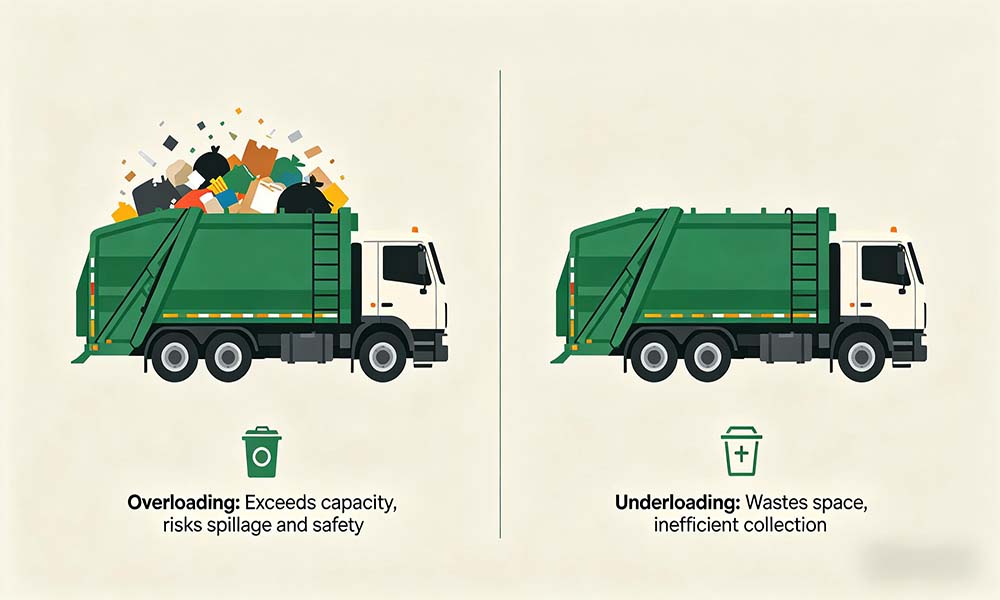
- Επιλογή ενός πολύ μικρού φορτηγού
- Υπερεκτίμηση των αναγκών δυναμικότητας
- Αγνοώντας την αποτελεσματικότητα της συμπίεσης
- Μη συνεκτίμηση των συνθηκών της διαδρομής
Η αποφυγή αυτών των λαθών συμβάλλει στη βελτίωση της αποτελεσματικότητας και στη μείωση του κόστους.
Σχέση δυναμικότητας και κόστους
Η χωρητικότητα έχει άμεσο αντίκτυπο στο κόστος.
Βασικές εκτιμήσεις:
- Τα μεγαλύτερα φορτηγά έχουν υψηλότερο αρχικό κόστος
- Λιγότερα ταξίδια μειώνουν το κόστος καυσίμων και εργασίας
- Η σωστή χωρητικότητα βελτιώνει την αποδοτικότητα
Η κατανόηση αυτής της σχέσης βοηθά τους αγοραστές να λαμβάνουν οικονομικά αποδοτικές αποφάσεις.
Οι αγοραστές συχνά αξιολογούν τις επιλογές χρησιμοποιώντας ανάλυση του κόστους του απορριμματοφόρου έναντι της χωρητικότητας για τον προσδιορισμό της καλύτερης επένδυσης.
Γιατί η χωρητικότητα είναι βασικός παράγοντας απόφασης
Η χωρητικότητα καθορίζει πόσο αποτελεσματικά μπορεί να λειτουργήσει ένα απορριμματοφόρο. Η επιλογή του σωστού μεγέθους διασφαλίζει ότι η αποκομιδή των απορριμμάτων ολοκληρώνεται αποτελεσματικά χωρίς περιττές δαπάνες ή λειτουργικές προκλήσεις.
Για τους αγοραστές, η κατανόηση της χωρητικότητας δεν αφορά μόνο τους αριθμούς - αφορά τη βελτιστοποίηση ολόκληρης της διαδικασίας διαχείρισης αποβλήτων.