How to Choose the Right Garbage Truck Compactor for Municipal Collection
Choosing the right garbage truck compactor for municipal collection is not just a purchasing decision—it directly affects collection efficiency, operating costs, and long-term fleet reliability. Municipal waste routes differ significantly in waste density, daily volume, road conditions, and labor structure, making compactor selection a system-level decision rather than a simple capacity choice.
Understand the Waste Stream First
The most common mistake municipalities make is selecting a compactor based solely on body volume. Residential household waste, wet organic waste, and commercial refuse behave very differently during compaction. High-moisture waste requires stronger hydraulic force and better sealing performance, while light packaging waste benefits more from higher cycle frequency than brute pressure.
Match Compactor Type to Route Conditions
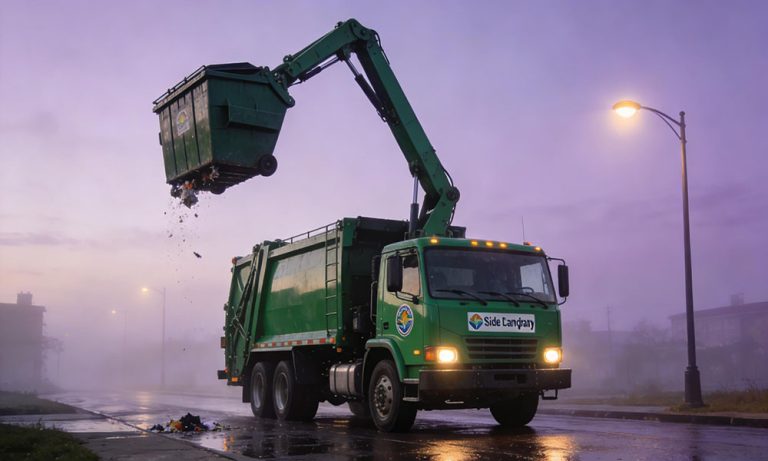
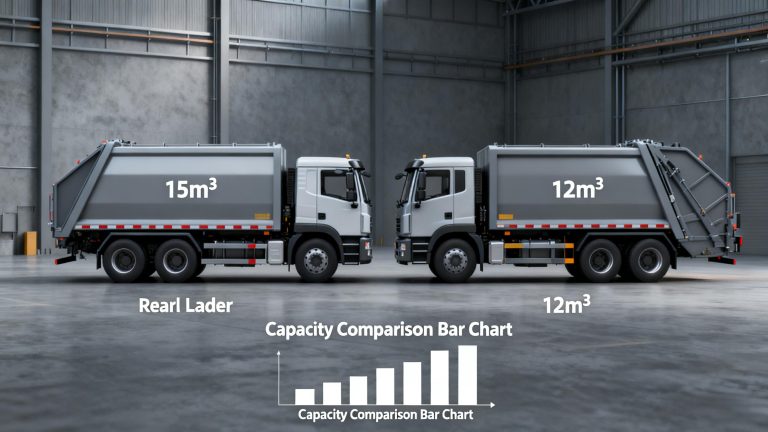
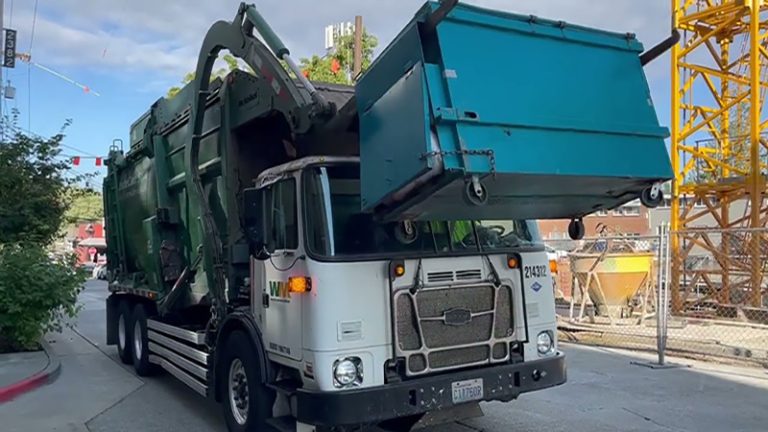
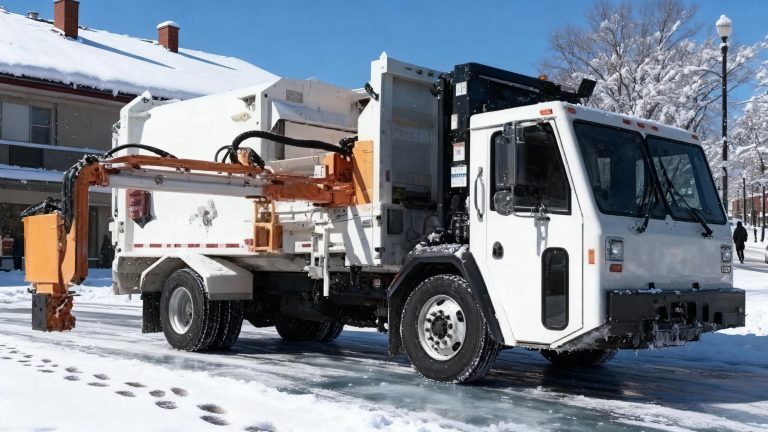
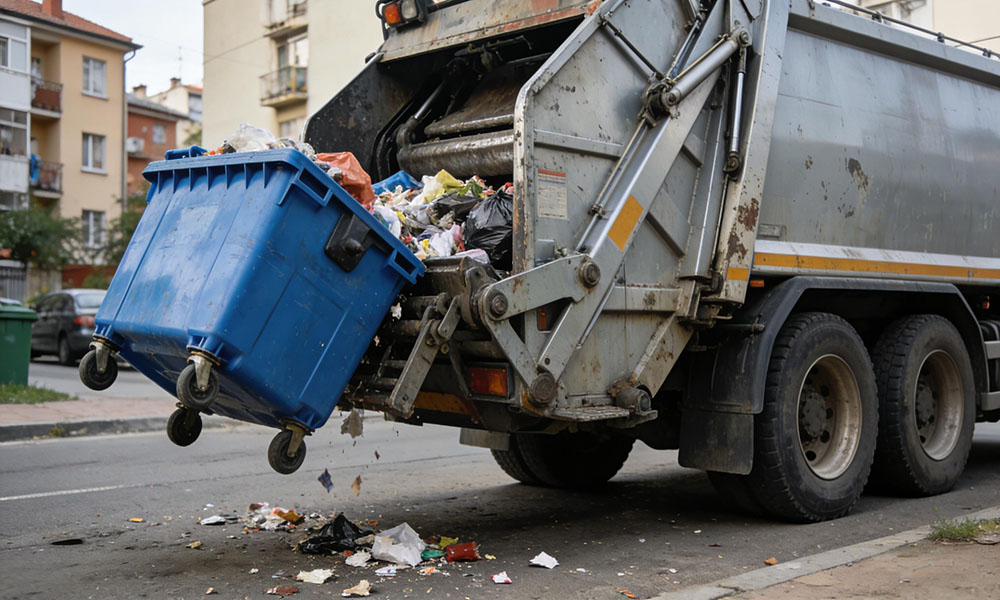
Urban collection routes with narrow streets and fixed collection points typically favor rear loader compactors due to their simple structure and operator visibility. In contrast, routes with standardized bins and higher automation levels may benefit from side loader systems, which reduce labor dependency but require more precise maintenance.
Evaluate Hydraulic Performance, Not Just Capacity
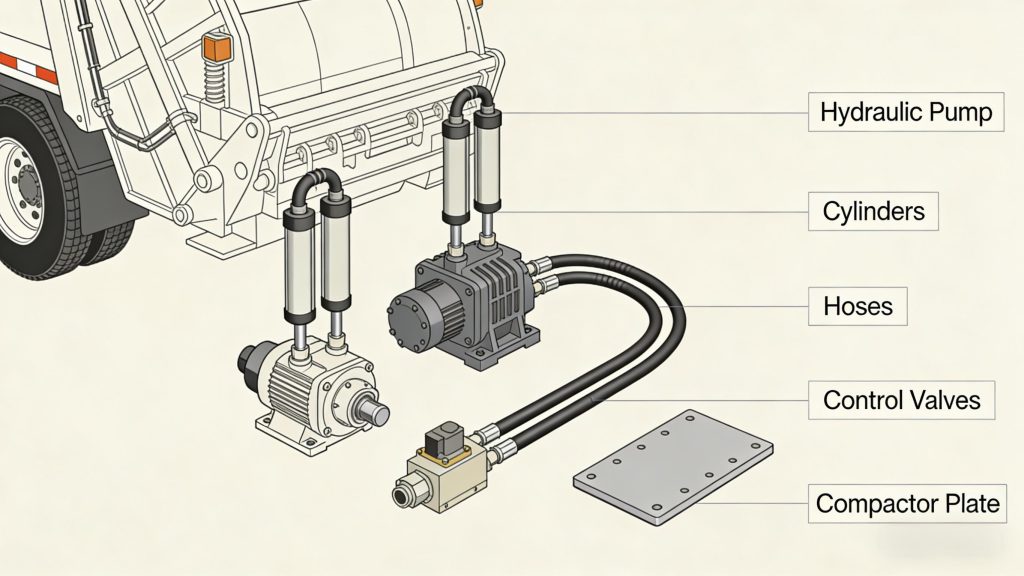
Hydraulic pressure ratings alone do not determine real-world compaction performance. Cylinder stroke design, oil flow rate, and cycle timing all influence how efficiently waste is compressed during repeated daily operations. A well-balanced system often outperforms a high-pressure but poorly tuned design.
Consider Long-Term Maintenance and Parts Availability
Municipal fleets typically operate under strict budgets and extended service cycles. Choosing a compactor design with standardized hydraulic components, reinforced wear plates, and accessible grease points can significantly reduce downtime. Manufacturers like Tops Vehicles design compactors with export-market durability in mind, emphasizing maintenance accessibility over complex automation.
Final Selection Checklist
- Waste density and moisture level
- Route width and collection frequency
- Operator skill level
- Hydraulic system reliability
- Manufacturer support and parts supply
A compactor that performs reliably for ten years is far more valuable than one that looks impressive on paper but fails under daily stress.