Rear Loader Compactor vs Side Loader Compactor: Key Differences Explained
Rear loader and side loader compactors are the two most common garbage truck configurations used worldwide. While both rely on hydraulic compaction systems, their structural layout, operating method, and ideal applications differ significantly.
Understanding these differences helps fleet operators select the right solution for their collection environment.
Structural Differences Between Rear and Side Loader Compactors
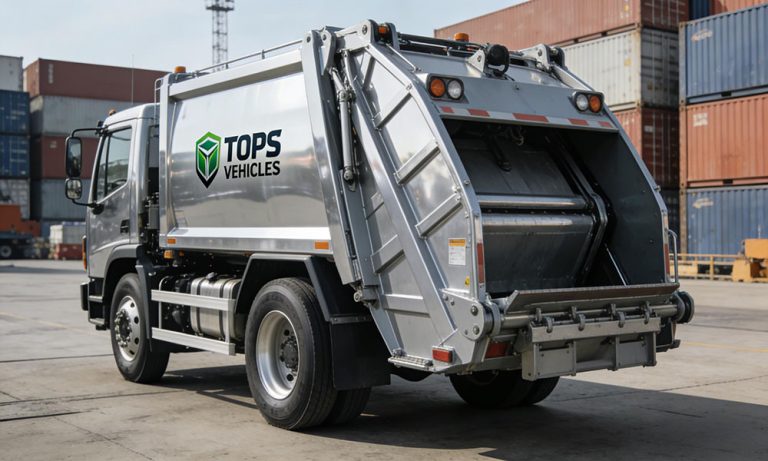
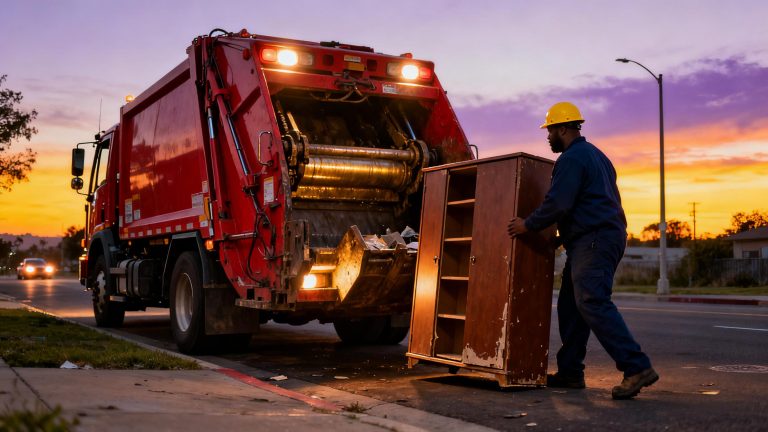
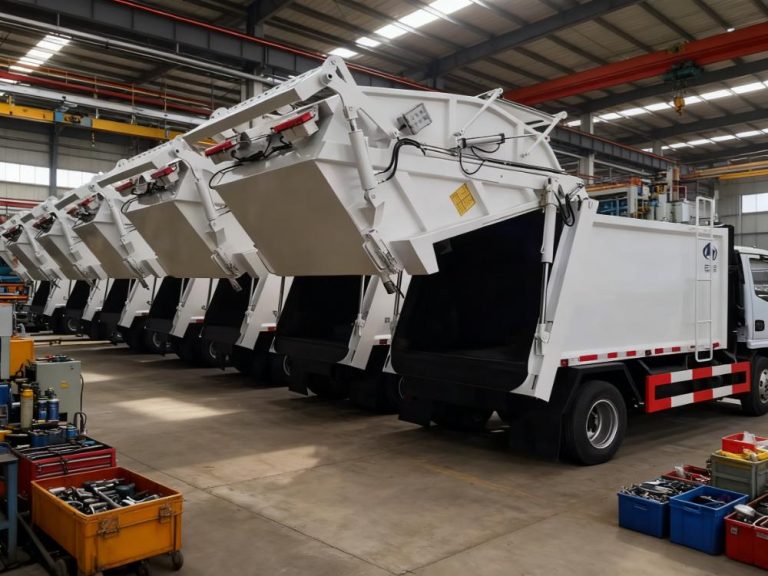
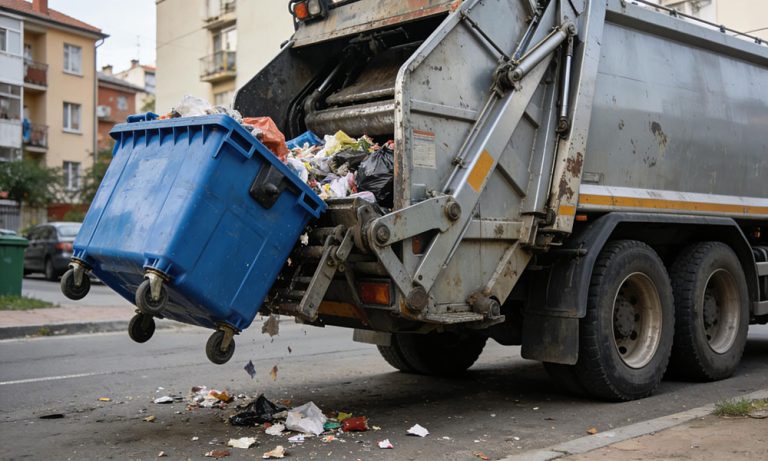
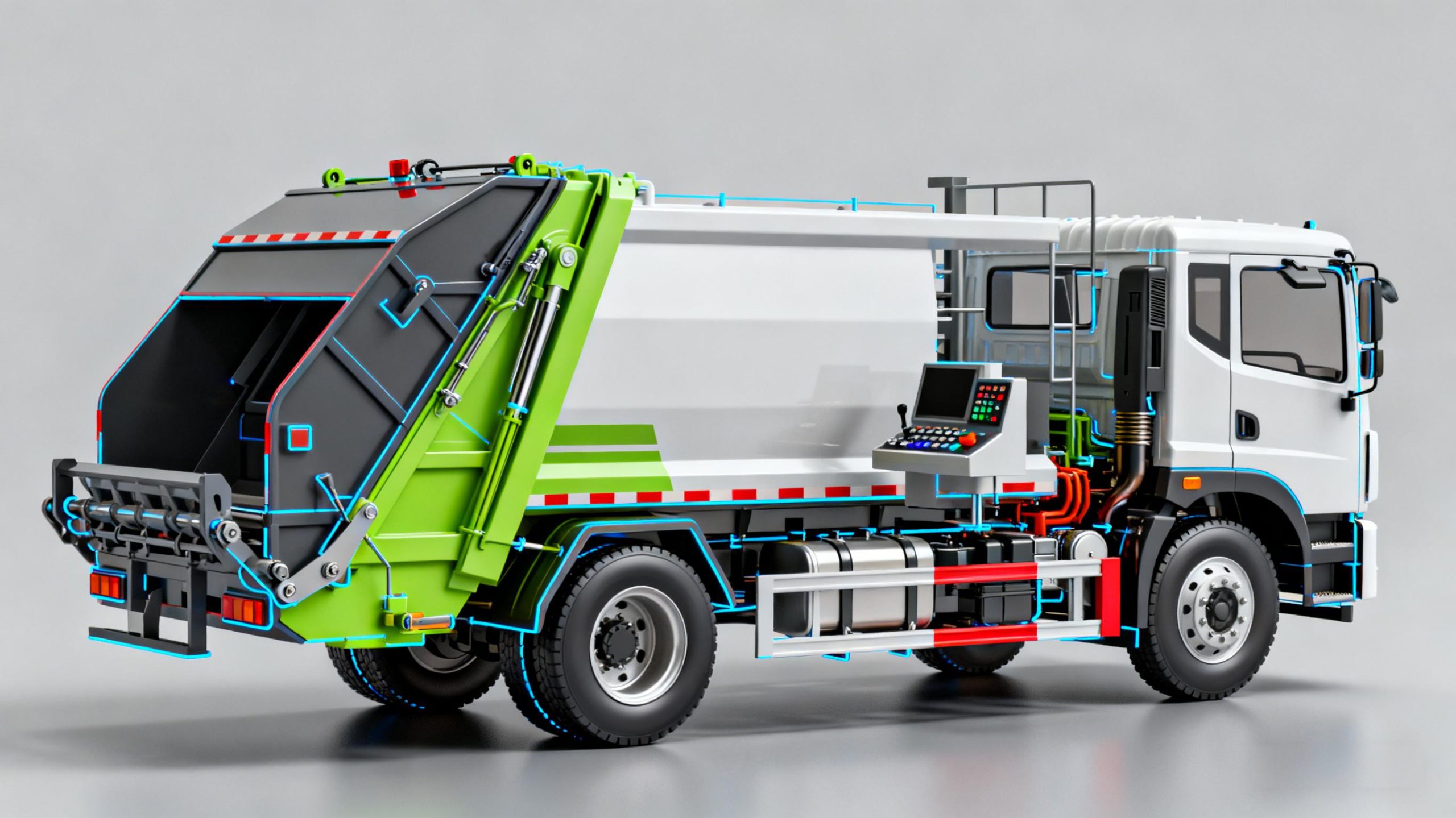
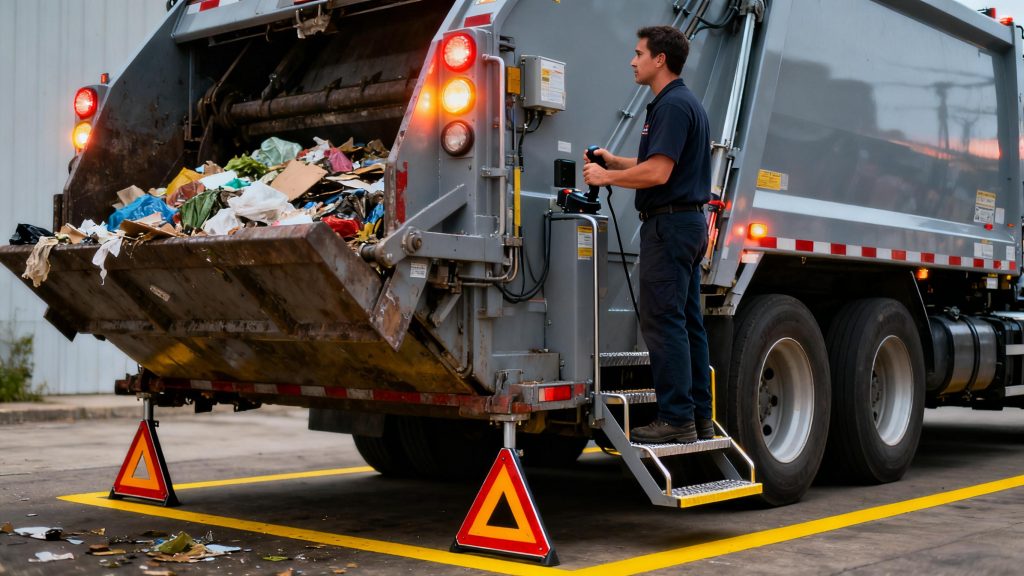
Rear loader compactors collect waste from the back of the vehicle, using a hopper and compaction plate to push waste forward into the body. Side loader compactors load waste from the side, often using automated lifting arms.
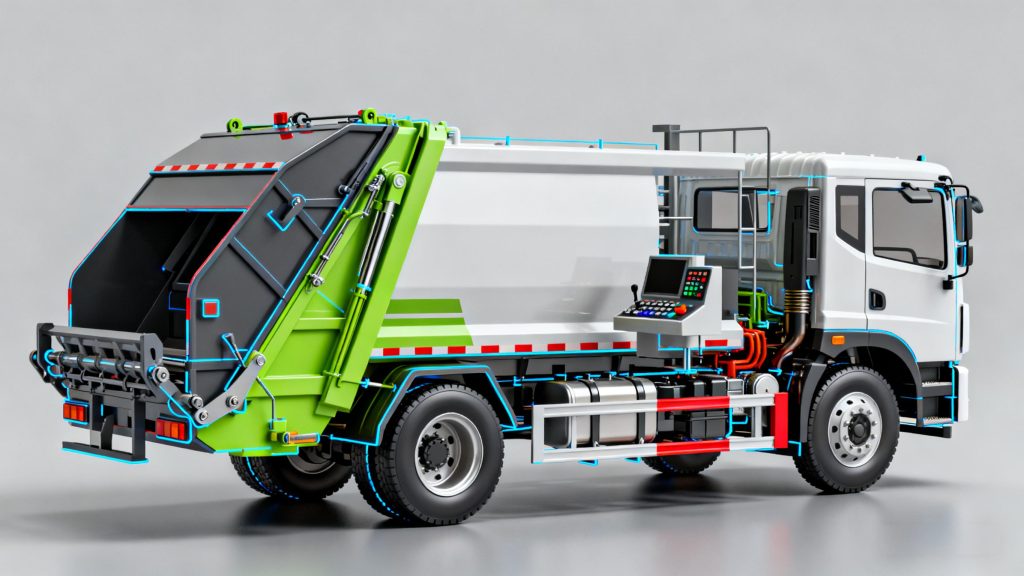
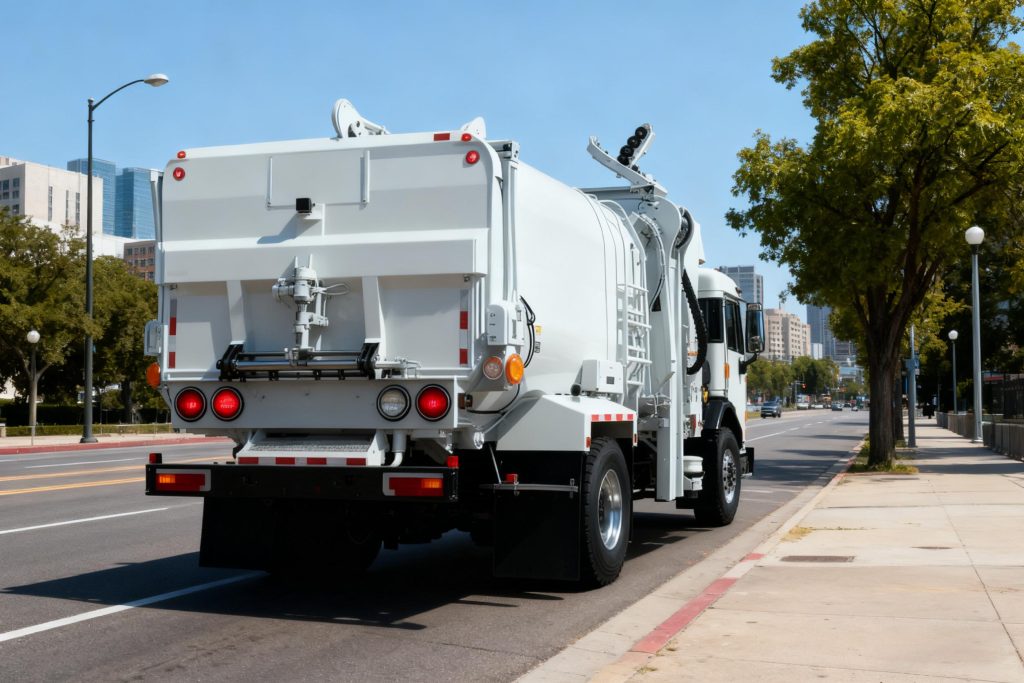
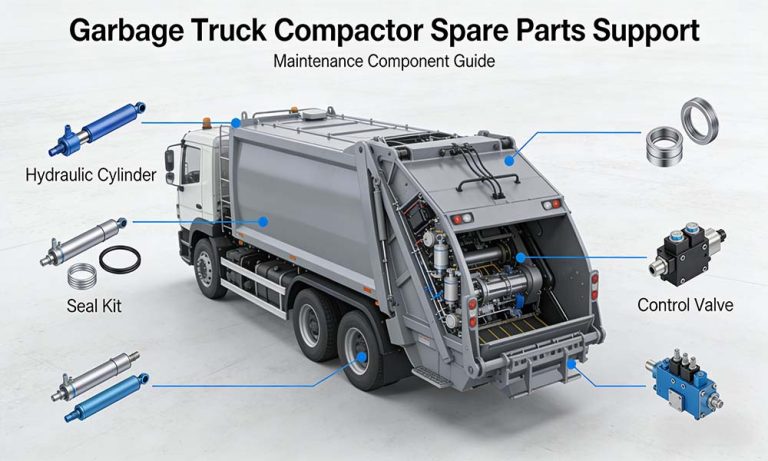
For a detailed breakdown of internal components, see
👉 garbage truck compactor structure
Loading Method and Operational Efficiency
Rear loaders require manual or semi-automatic loading, making them flexible for mixed waste and irregular collection points. Side loaders emphasize automation, improving speed and reducing labor requirements.
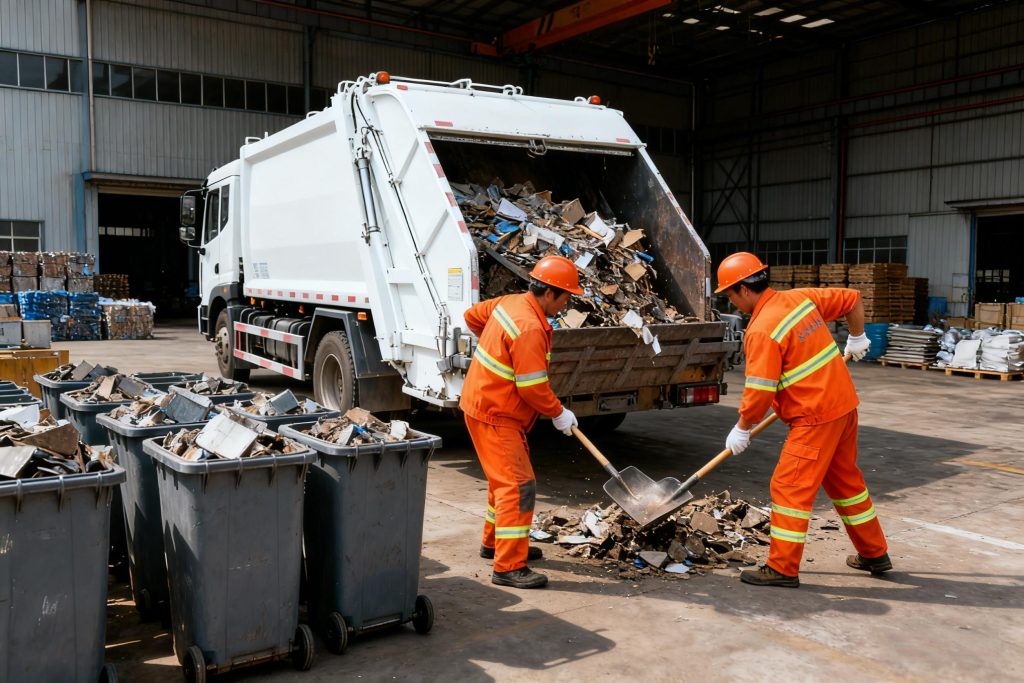
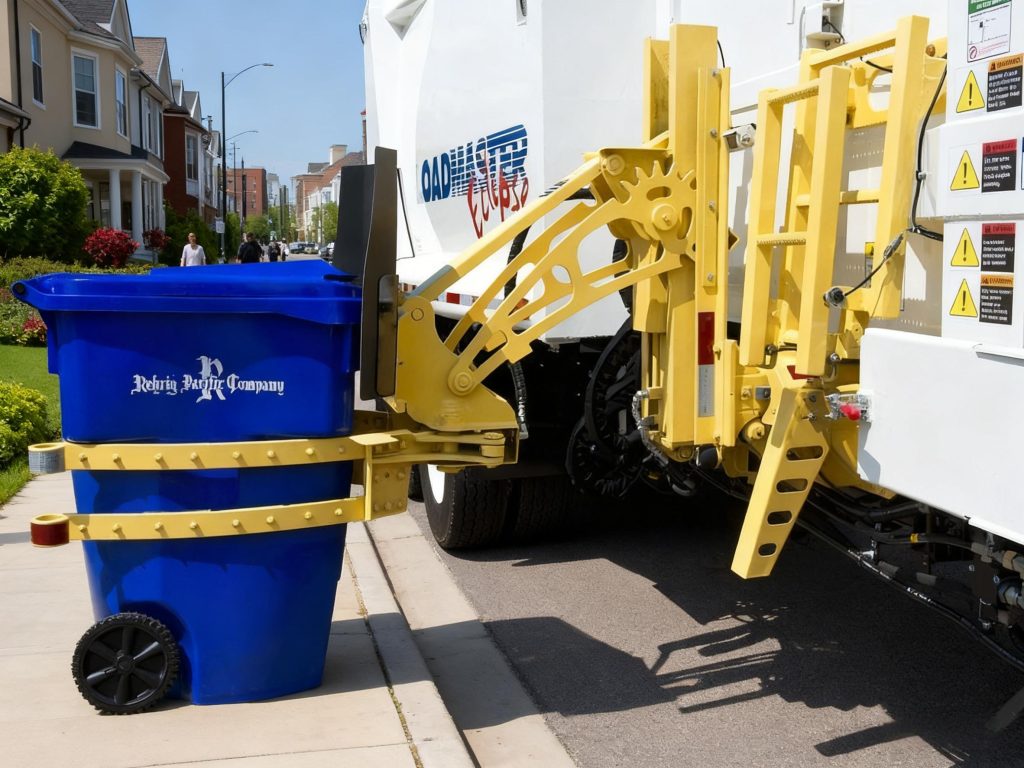
Operational efficiency depends heavily on waste type and route design.
👉 garbage truck compactor efficiency and compaction ratio
Waste Type Compatibility
Rear loader compactors handle a wide range of waste types, including bulky and irregular materials. Side loader compactors perform best with standardized bins and uniform household waste.
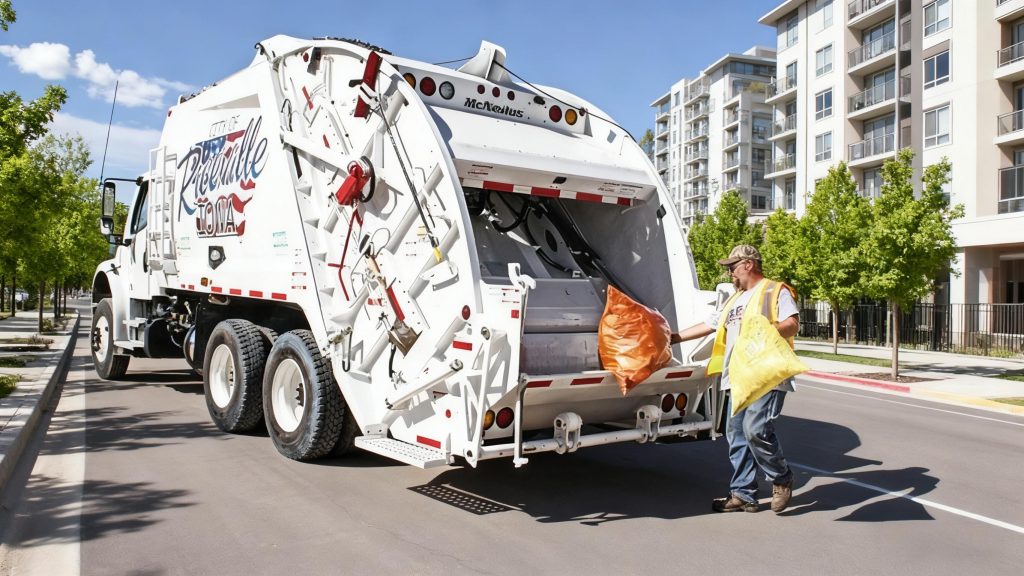
For detailed waste behavior analysis, refer to
👉 compactor performance for different waste types
Safety and Operator Considerations
Rear loaders require close operator involvement, increasing flexibility but also safety responsibility. Side loaders reduce direct contact with waste but require careful monitoring of arm movement and surroundings.
More safety guidance is available here:
👉 garbage truck compactor safety and operation
Which Compactor Type Fits Your Collection Scenario?
Rear loaders are preferred for:
- Mixed urban waste
- Narrow streets and irregular pickup points
- Manual or semi-automated operations
Side loaders are ideal for:
- Residential areas with standardized bins
- Automated collection routes
- Labor-cost-sensitive operations
Final Comparison Summary
Choosing between rear loader and side loader compactors depends on collection method, waste type, and operational priorities. A well-matched compactor improves efficiency, safety, and long-term reliability.