Garbage Truck Compactor Hydraulic System: Components & Working Principles
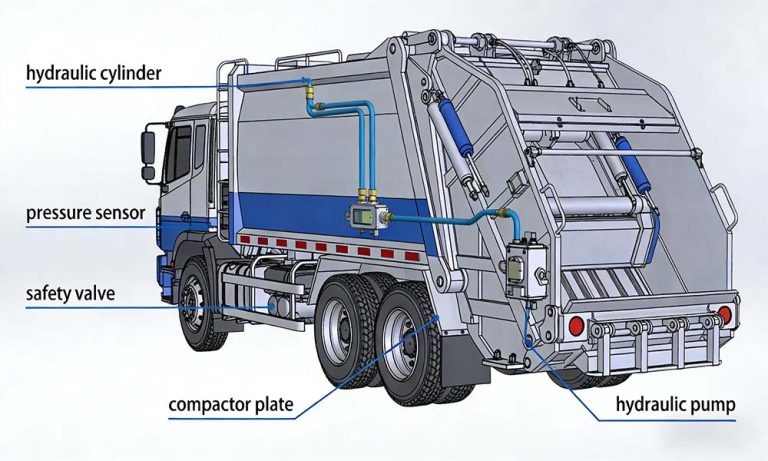
The hydraulic system is the heart of any garbage truck compactor. It provides the force required to compress waste inside the truck body, enabling efficient waste collection and reducing the number of trips needed to transport refuse. Understanding how the hydraulic system works is essential for fleet operators, maintenance personnel, and procurement teams.
In this article, we will explain the main components of a garbage truck compactor hydraulic system, how they work together, and the key maintenance tips to ensure long-term reliability.
Main Components of a Garbage Truck Compactor Hydraulic System
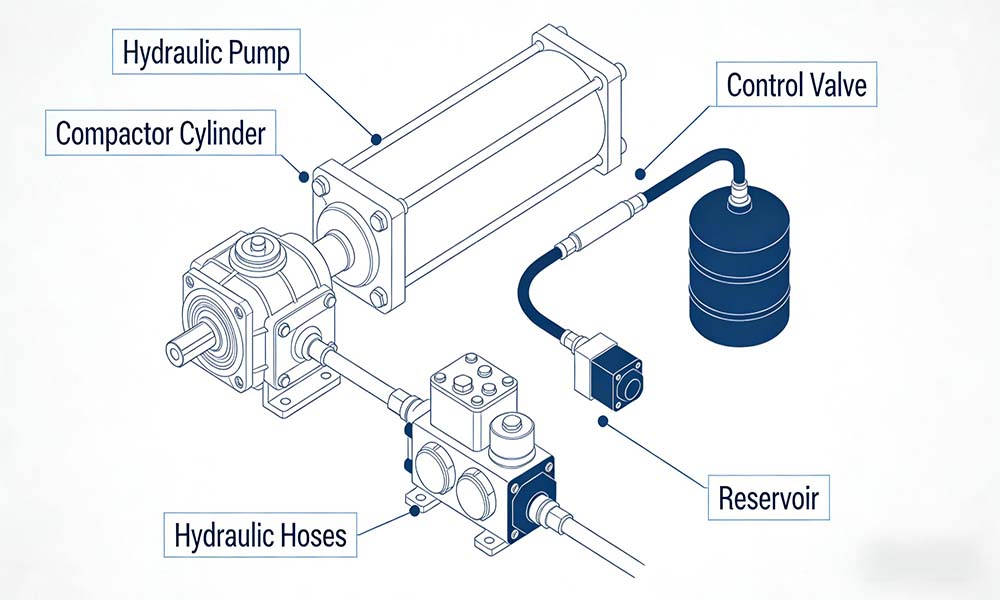
A standard garbage truck compactor hydraulic system includes several critical components:
- Hydraulic Pump
The hydraulic pump generates the flow of hydraulic fluid that powers the compaction cylinder. Modern pumps are often gear or piston type and must provide consistent pressure to ensure smooth compaction. - Hydraulic Cylinders
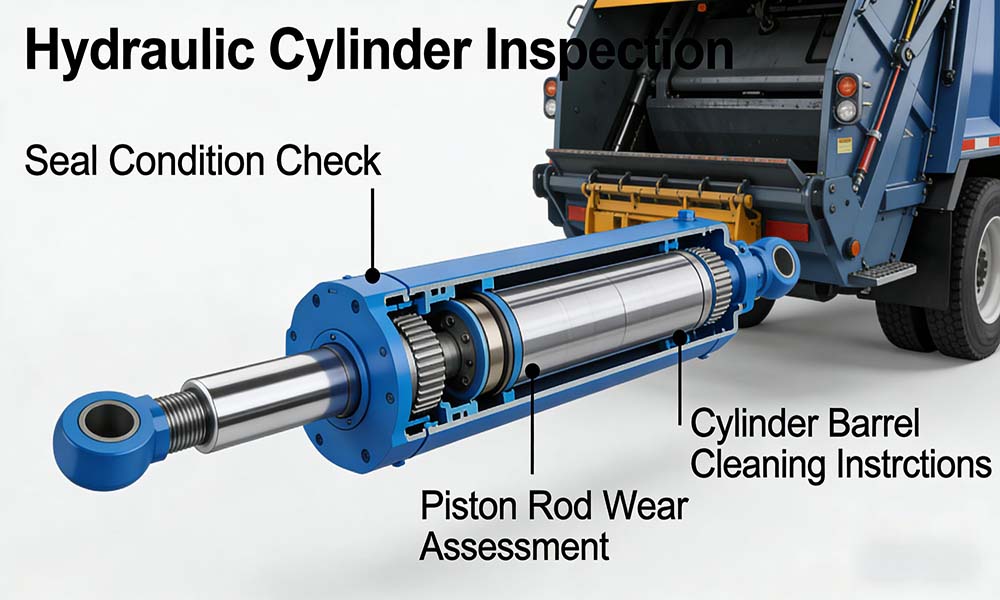
The cylinders drive the compaction plate or blade, pushing waste materials and reducing volume inside the truck body. Regular inspection of cylinder seals is necessary to prevent leakage. - Control Valves
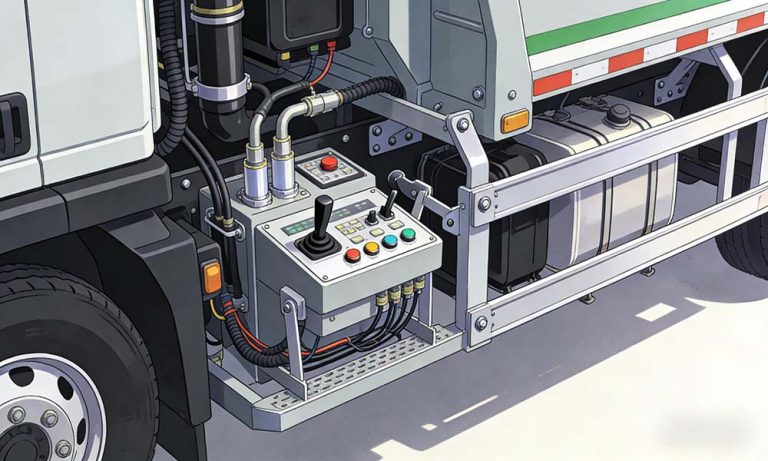
Control valves regulate the direction, flow, and pressure of hydraulic fluid. They are crucial for proper compaction cycles and system safety. - Hydraulic Hoses and Fittings
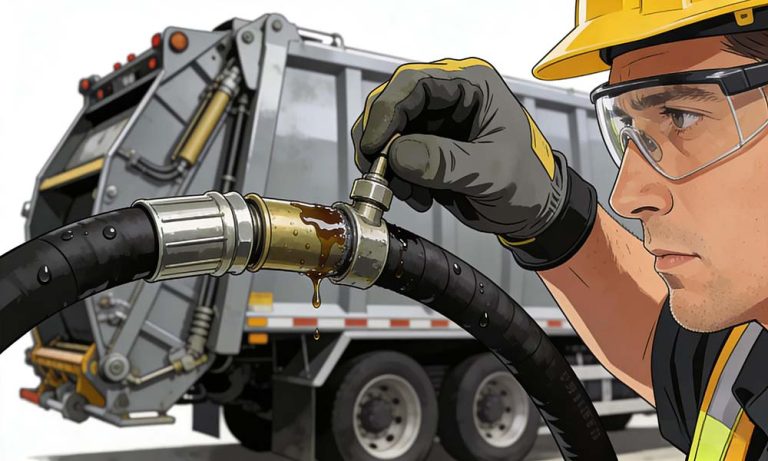
Hoses transmit hydraulic fluid between components. They must withstand high pressure and temperature variations. Periodic inspection helps prevent leaks and equipment failure. - Reservoir and Filters
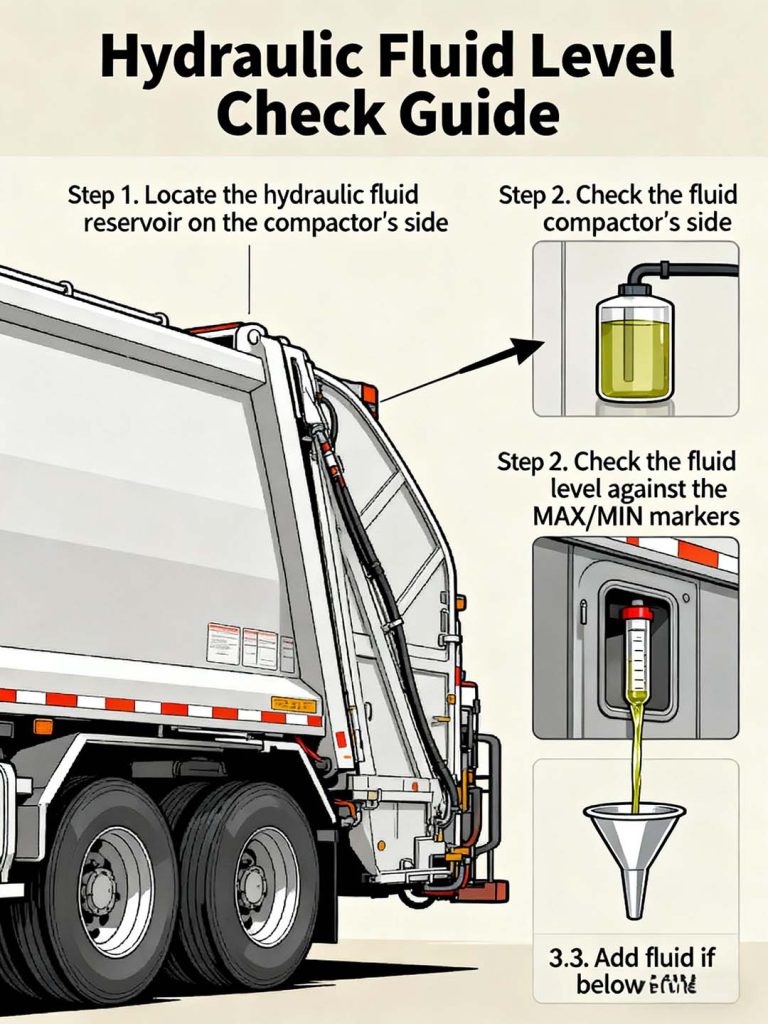
The reservoir stores hydraulic oil, and filters remove contaminants that could damage the system. Clean oil and functional filters extend hydraulic component life.
How the Hydraulic System Works
The compactor hydraulic system converts engine power into mechanical force for waste compression:
- Engine drives the hydraulic pump.
- Pump pressurizes hydraulic fluid and sends it through control valves.
- Control valves direct fluid to the compaction cylinder.
- Cylinder moves the compaction plate to compress waste inside the truck body.
- Fluid returns to the reservoir, completing the cycle.
This cycle repeats multiple times per load, ensuring maximum waste density. Proper maintenance ensures that the system maintains pressure and performs consistently.
Common Hydraulic System Issues
Even well-designed hydraulic systems can encounter problems if maintenance is neglected:
- Leakage: Worn seals or hoses may lead to oil leaks and pressure loss.
- Overheating: Dirty oil or excessive load can overheat the system.
- Pressure Drop: Faulty valves or worn pumps reduce compaction efficiency.
- Contamination: Debris in hydraulic oil can damage cylinders and valves.
Timely inspection and oil replacement are critical for avoiding these issues.
Hydraulic System Maintenance Tips
Maintaining a garbage truck compactor hydraulic system includes:
- Daily Checks:
- Inspect hoses, fittings, and cylinders for leaks
- Check hydraulic oil level
- Test compaction cycle operation
- Weekly Maintenance:
- Lubricate moving parts
- Clean filters
- Inspect control valves
- Monthly Maintenance:
- Replace hydraulic oil if needed
- Test system pressure
- Inspect pump and cylinder performance
- Quarterly/Annual:
- Full system inspection
- Replace worn components
- Test emergency stop and safety features
Choosing Reliable Garbage Truck Compactors
High-quality compactor design reduces maintenance frequency and extends hydraulic system lifespan. Companies like Tops Vehicles manufacture garbage trucks with robust hydraulic systems designed for long-term reliability in municipal waste operations.
When selecting a garbage truck compactor:
- Ensure the hydraulic pump and cylinders meet the required pressure.
- Check the quality of hoses and fittings.
- Consider serviceability and availability of spare parts.
For professional waste collection solutions, Tops Vehicles provides a wide range of garbage trucks with advanced hydraulic systems suitable for urban and municipal applications.
A well-maintained hydraulic system is essential for garbage truck compactor efficiency and reliability. Understanding components, identifying common issues, and following a structured maintenance schedule ensures long-term performance and safety.
For waste management operators, pairing proper maintenance practices with high-quality equipment from trusted manufacturers like Tops Vehicles results in improved operational efficiency, reduced downtime, and longer equipment life.