Garbage Truck Compactor Maintenance Guide for Better Performance
Garbage truck compactors play a critical role in modern waste management systems. By compressing waste inside the truck body, compactors significantly increase load capacity and reduce the number of trips required for waste collection. This not only improves operational efficiency but also helps municipalities lower fuel consumption and operational costs.
However, because garbage truck compactors operate under high pressure and harsh working conditions, regular maintenance is essential to ensure reliability and long service life. Without proper maintenance, issues such as hydraulic failure, compaction inefficiency, or safety hazards may occur.
In this guide, we will explain the essential maintenance practices for garbage truck compactors, helping fleet operators keep their waste collection vehicles operating safely and efficiently.
How a Garbage Truck Compactor Works
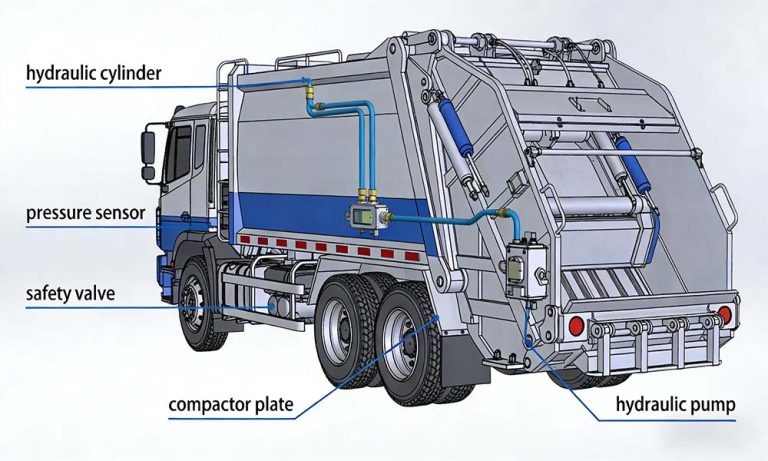
A garbage truck compactor uses a hydraulic system to compress waste materials inside the truck body. The main components typically include:
- Hydraulic cylinders
- Compaction plate or blade
- Control valves
- Hydraulic pump
- Waste container body
During operation, the hydraulic system pushes the compaction plate to compress waste repeatedly, reducing its volume and allowing more waste to be collected before unloading.
Because this process generates high pressure and continuous mechanical movement, regular inspection and servicing are necessary to prevent mechanical wear and hydraulic failure.
Key Maintenance Areas for Garbage Truck Compactors
1 Hydraulic System Inspection
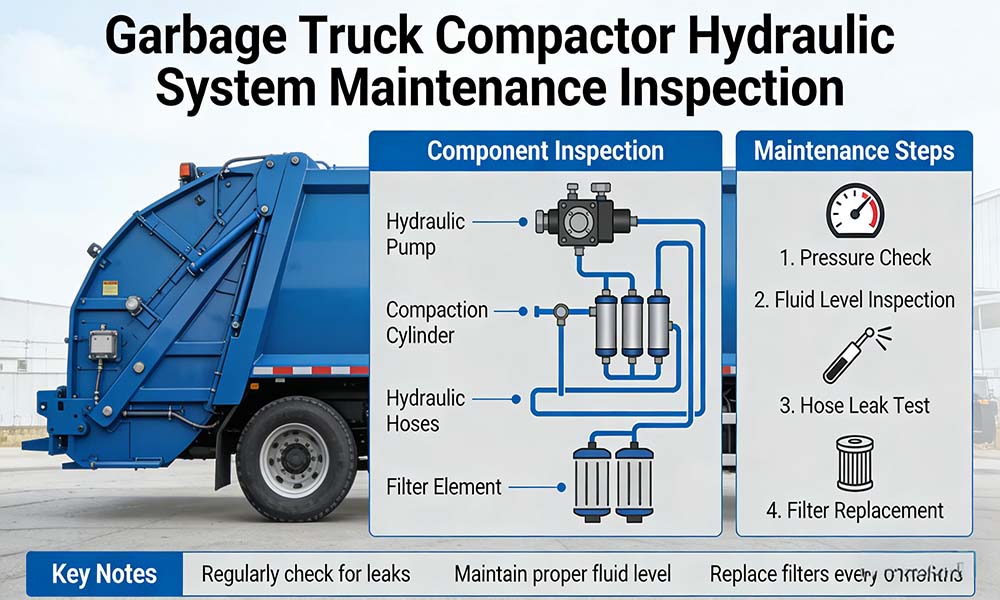
The hydraulic system is the core power source of a garbage truck compactor. Operators should regularly inspect the hydraulic components to ensure stable performance.
Important inspection points include:
- Hydraulic oil level
- Oil contamination
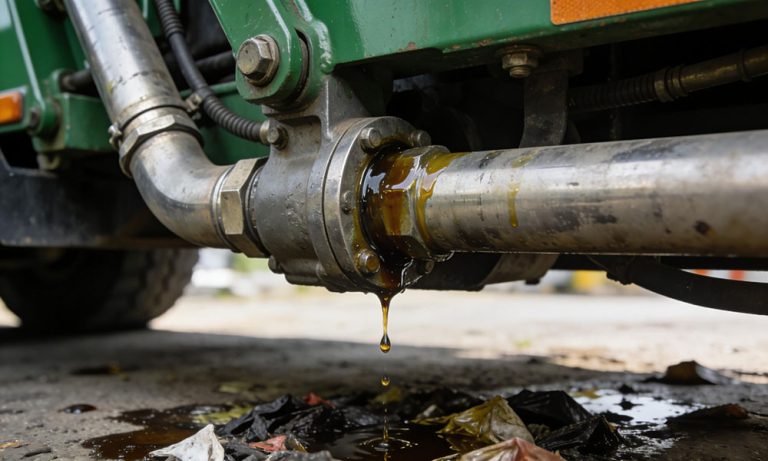
- Hose leakage
- Cylinder seal condition
Hydraulic oil should be replaced according to manufacturer recommendations to prevent system wear and overheating.
2 Compaction Blade and Structural Components
The compaction blade is responsible for compressing waste inside the truck body. Over time, repeated compression can lead to structural stress or wear.
Maintenance checks should include:
- Blade alignment
- Structural cracks
- Bolt and connection stability
If excessive wear is detected, components should be repaired or replaced promptly to avoid further damage.
3 Electrical and Control Systems
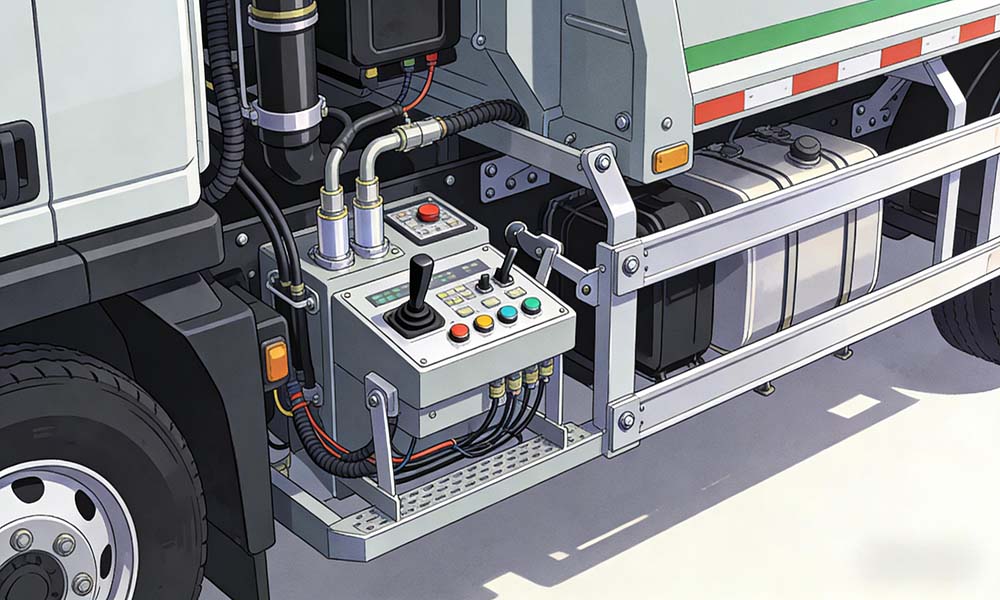
Modern garbage truck compactors often use electronic control systems to manage compaction cycles. These systems improve efficiency and safety but also require periodic inspection.
Key checks include:
- Control panel functionality
- Sensor performance
- Wiring integrity
Faulty sensors may cause improper compaction cycles or unexpected equipment shutdown.
Daily Maintenance Checklist
To maintain reliable performance, operators should implement a daily inspection routine before starting waste collection operations.
Typical daily checks include:
- Inspect hydraulic hoses and fittings
- Check hydraulic oil levels
- Test compaction cycle operation
- Inspect safety locking mechanisms
- Ensure the waste container is free of obstruction
These simple checks can help detect problems early and prevent costly downtime.
Preventive Maintenance Schedule
Preventive maintenance helps extend the lifespan of garbage truck compactors and reduce unexpected failures.
Recommended maintenance schedule:
Daily
Visual inspection and functional testing
Weekly
Lubricate moving parts and inspect structural components
Monthly
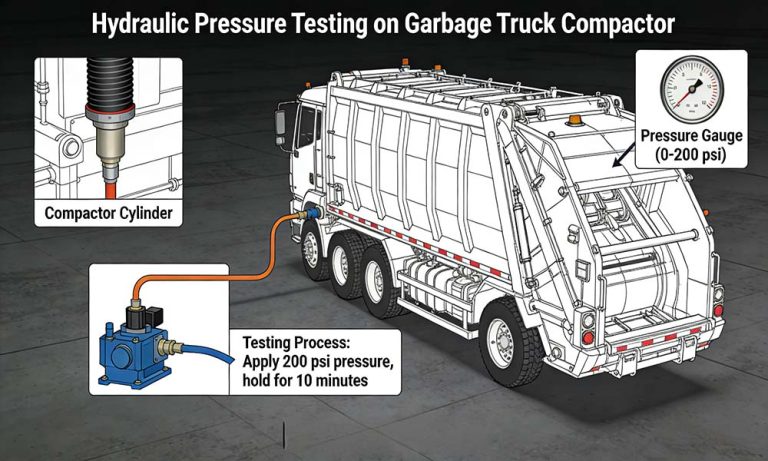
Hydraulic oil inspection and system pressure testing
Quarterly
Full inspection of hydraulic cylinders and control valves
By following a structured maintenance plan, waste management companies can significantly reduce maintenance costs and improve fleet reliability.
Choosing Reliable Garbage Truck Equipment
In addition to proper maintenance, selecting high-quality garbage truck equipment is equally important. Reliable manufacturing standards and durable materials help reduce long-term maintenance requirements.
Many municipalities and waste management companies work with experienced manufacturers such as Tops Vehicles, a professional special-purpose vehicle manufacturer specializing in waste collection trucks and sanitation vehicles.
Well-designed compactors with robust hydraulic systems can greatly improve operational efficiency and long-term reliability.
If you are looking for professional solutions for waste collection vehicles, you can explore the range of garbage trucks available from Tops Vehicles, designed for demanding municipal waste management operations.
Garbage truck compactors are essential tools for efficient waste management. Regular maintenance not only prevents unexpected equipment failures but also ensures safe operation and long-term performance.
By maintaining the hydraulic system, inspecting structural components, and implementing preventive maintenance schedules, fleet operators can keep their waste collection vehicles operating efficiently for many years.
Investing in proper maintenance and high-quality equipment ultimately leads to improved operational efficiency and lower long-term operating costs for municipal sanitation departments and waste management companies.