Garbage Truck Compactor Safety Systems and Operator Protection
Garbage truck compactors operate with high hydraulic pressure and moving mechanical components, making safety systems a critical part of overall design. Modern compactor trucks rely on layered safety mechanisms to protect operators during loading, compaction, and maintenance.
This article explains the most important safety systems used in garbage truck compactors and how they contribute to operator protection and reliable daily operation.
Why Safety Systems Are Essential in Compactor Design
Compactor-related accidents often occur during loading or maintenance, when operators are closest to moving components. Well-designed safety systems reduce risk by controlling movement, limiting pressure, and preventing unintended activation.
Safety-focused design also reduces downtime caused by accidents and equipment damage.
Emergency Stop Systems
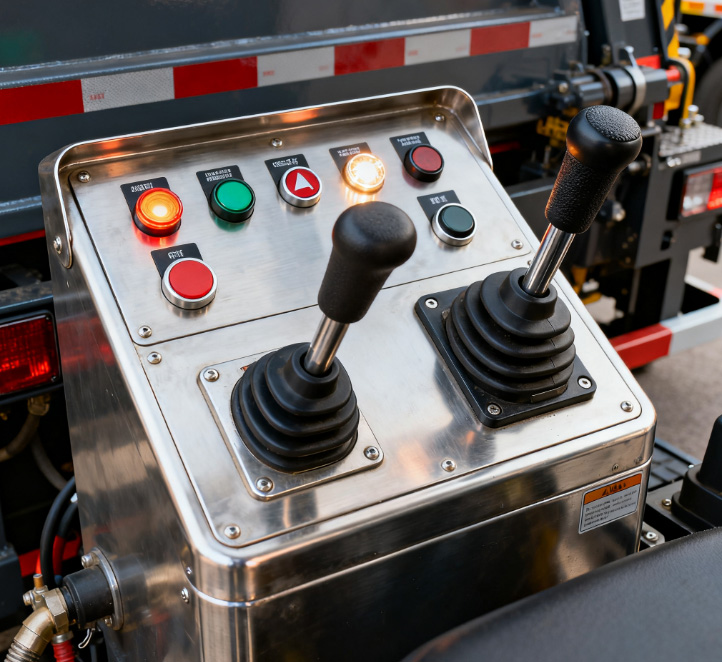
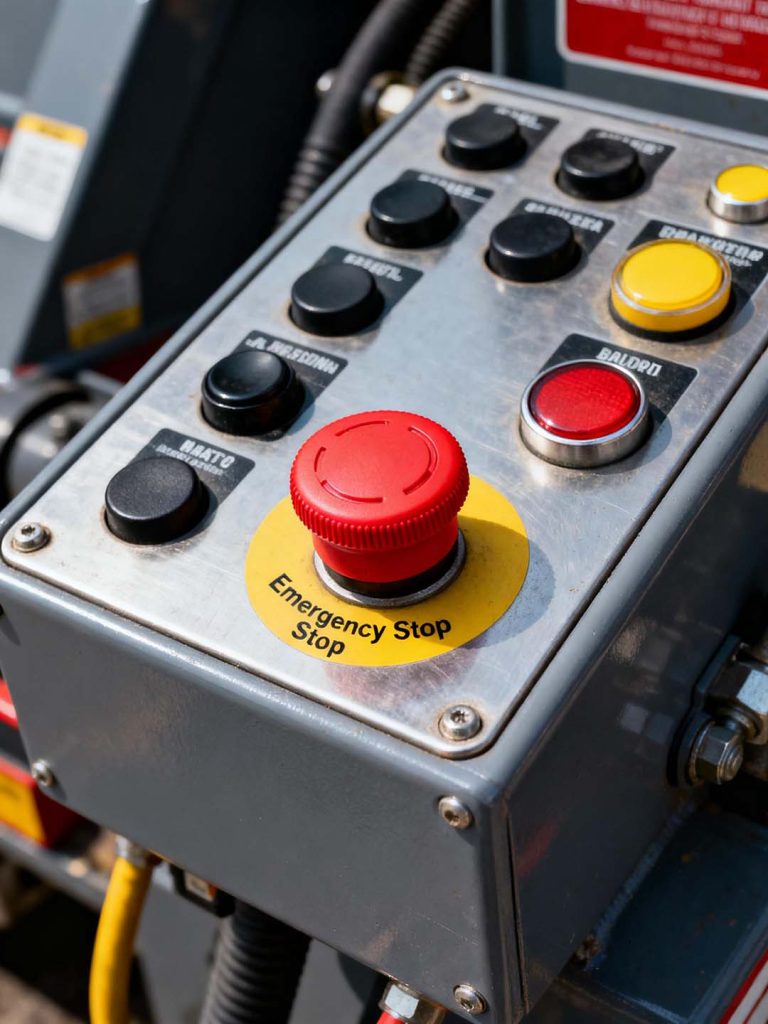
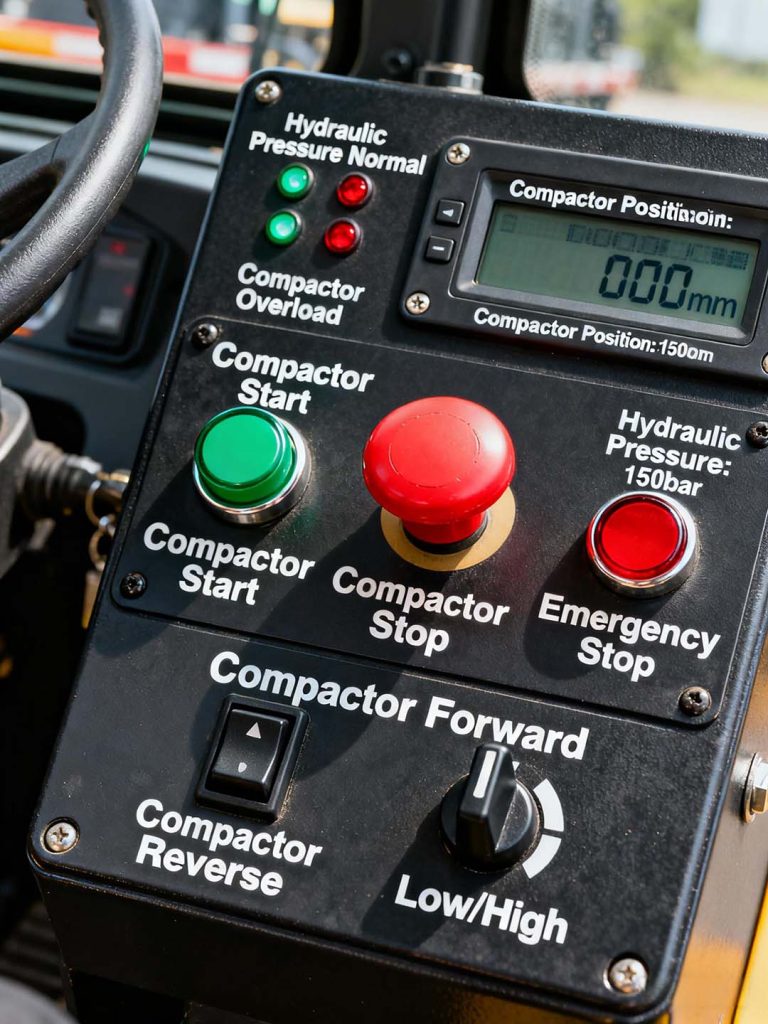
Emergency stop buttons allow operators to immediately halt compactor movement in unsafe situations. These controls are usually positioned on both sides of the tailgate for quick access.
A reliable emergency stop system should instantly cut hydraulic power and prevent automatic cycle restart.
Hopper and Tailgate Interlock Systems
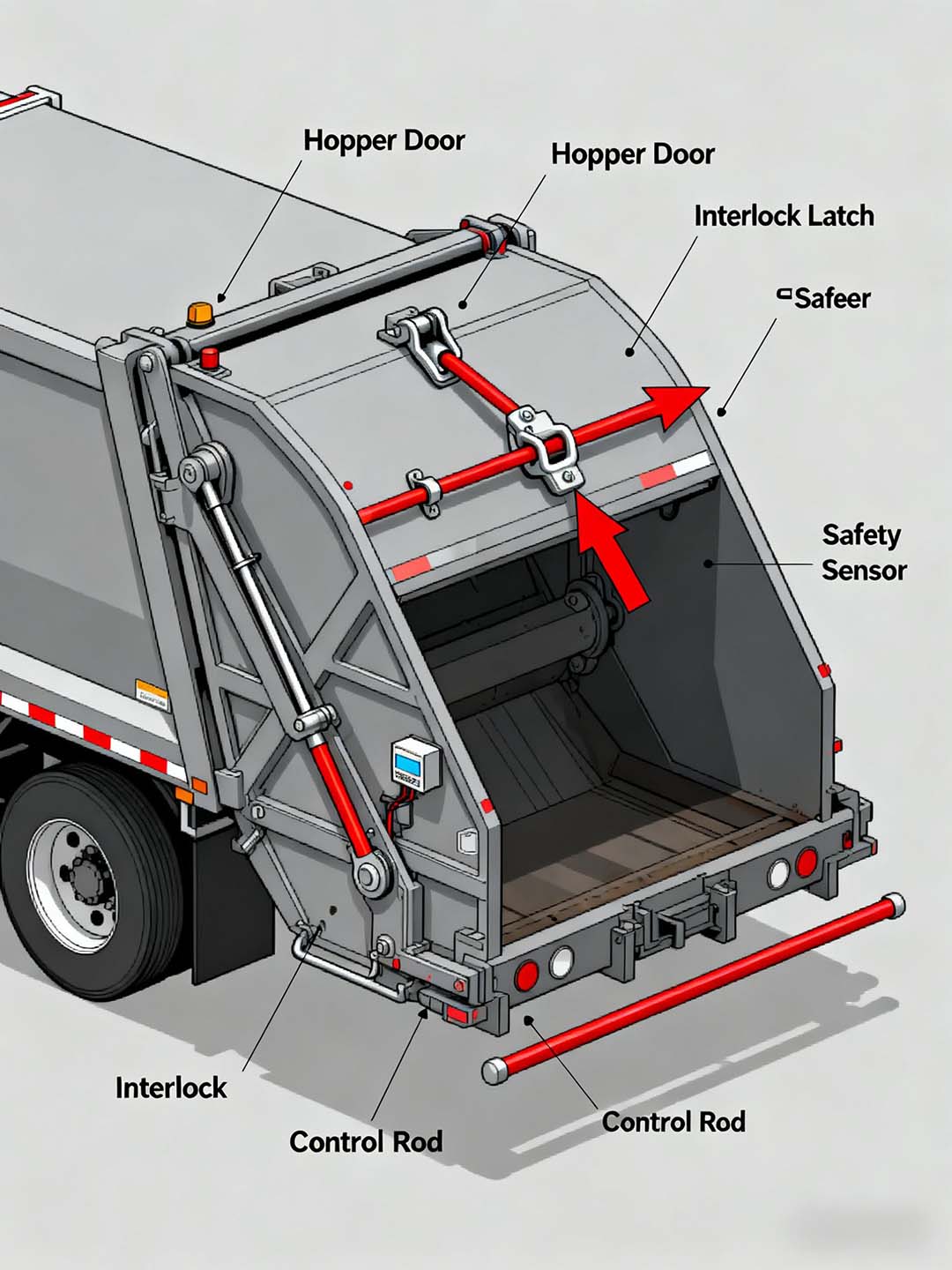
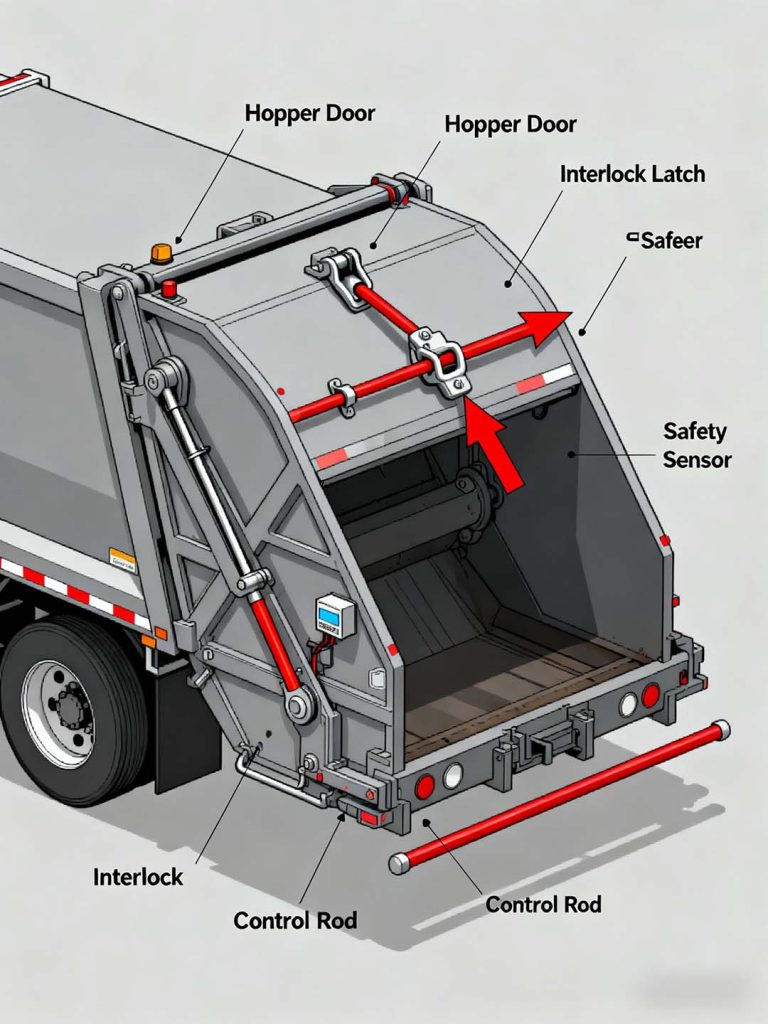
Interlock systems prevent compactor operation when access doors or tailgates are not properly secured. This ensures operators cannot accidentally activate the system during maintenance or loading.
Interlocks are particularly important on rear loader compactors where manual loading is frequent.
Overload and Pressure Protection
Pressure Relief Valves
Pressure relief valves prevent hydraulic pressure from exceeding safe limits. This protects cylinders, hoses, and structural components from sudden overload.
Load Sensing Systems
Some advanced compactors use load sensing to adjust pressure automatically based on waste resistance, improving safety and component longevity.
Operator Control Design and Visibility
Control panels should be intuitive and positioned to allow clear visibility of the hopper area. Poor control layout increases the risk of accidental activation or delayed response.
Ergonomic design reduces operator fatigue and improves long-term safety.
Locking Cylinders and Anti-Drop Protection
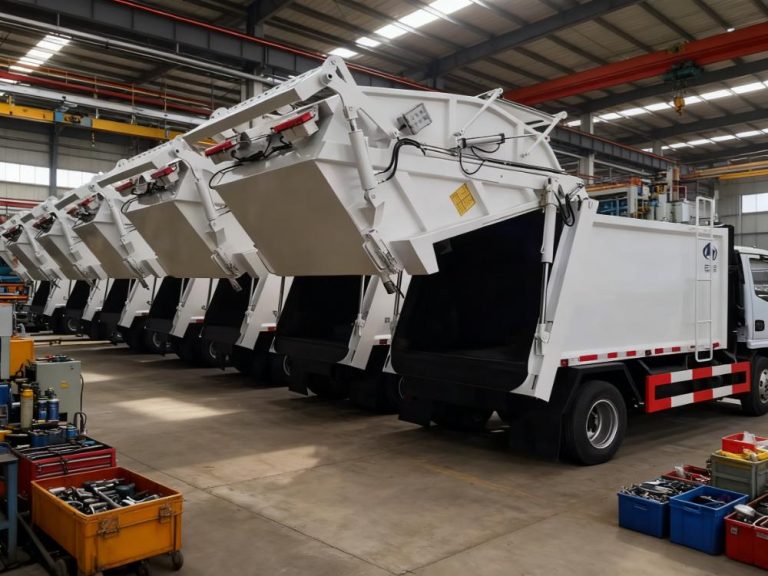
Locking cylinders hold the tailgate securely during operation and transport. Anti-drop mechanisms prevent sudden tailgate movement caused by hydraulic failure.
These systems are essential for protecting both operators and nearby pedestrians.
Maintenance Safety Isolation
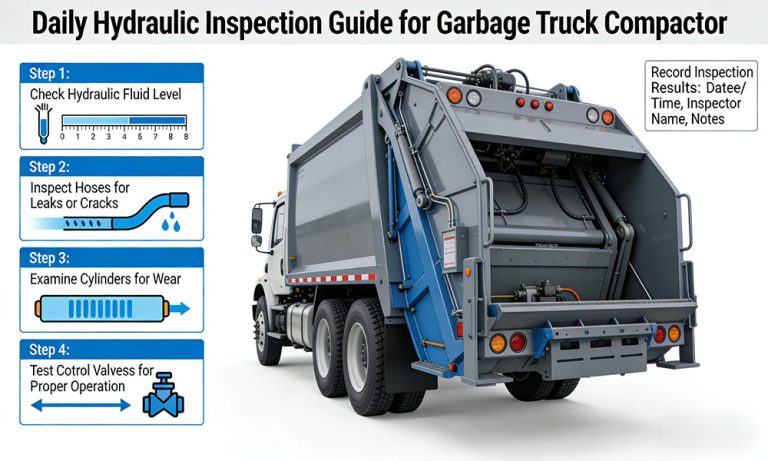
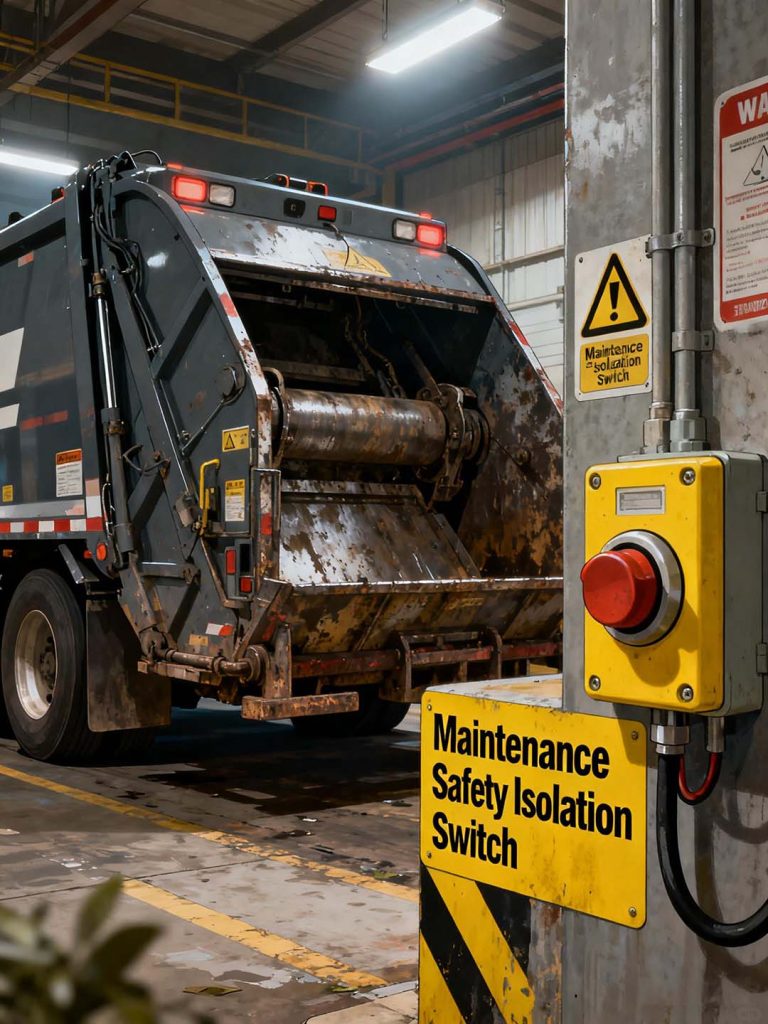
Before maintenance, the compactor system must be fully isolated. Safety isolation switches prevent accidental activation while technicians work on hydraulic or mechanical components.
Clear labeling and lockout procedures further reduce risk during servicing.
How Safety Systems Affect Equipment Longevity
Safety systems do more than protect people—they also protect equipment. Controlled pressure, stable movement, and overload prevention reduce stress on critical components.
Manufacturers like tops vehicles integrate safety systems as part of overall engineering design rather than optional add-ons, ensuring consistent protection across all operating conditions.
Choosing a Compactor with Reliable Safety Design
When evaluating compactor safety, buyers should look beyond basic emergency stops. A complete system includes interlocks, pressure protection, ergonomic controls, and maintenance isolation.
Reliable safety design improves compliance, reduces liability, and supports long-term operational stability.
Safety Is a Core Engineering Requirement
Garbage truck compactor safety systems are not optional features—they are essential elements of modern waste collection equipment. Properly designed safety mechanisms protect operators, reduce downtime, and extend equipment lifespan.
Selecting compactors engineered with integrated safety systems, such as those from tops vehicles, helps ensure reliable and secure daily operation.