Garbage Trucks for Government Projects: Buying & Tender Guide
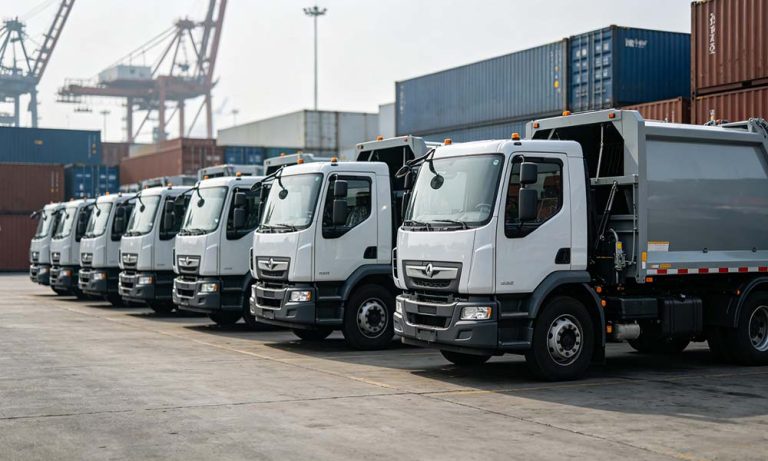
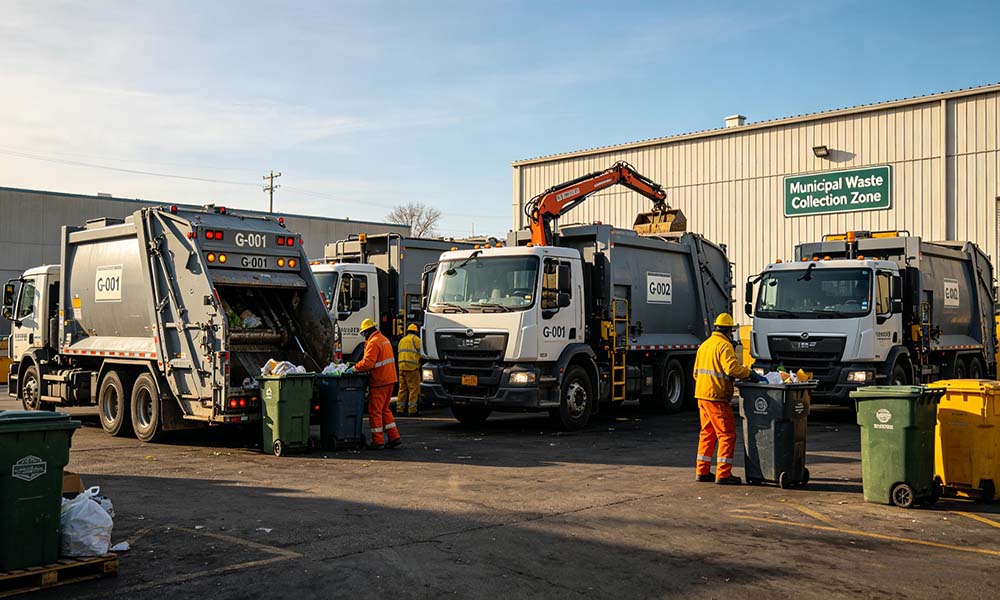
Government waste management projects require reliable and efficient garbage truck solutions. Whether for municipal sanitation departments or large-scale public infrastructure programs, selecting the right vehicles is critical to long-term success.
Unlike individual purchases, government procurement involves structured processes, strict specifications, and long-term operational planning. Buyers must evaluate not only the product but also the supplier’s ability to deliver consistent quality and support.
Key Requirements in Government Projects
Government projects have higher standards compared to regular purchases. These requirements ensure that the vehicles can operate reliably under public service conditions.
Durability and Reliability
Garbage trucks used in municipal projects must withstand continuous daily operation. High-quality materials and robust construction are essential.
Standardized Specifications
Projects often require consistent configurations across multiple vehicles to simplify maintenance and operation.
Long-Term Service Support
After-sales support, spare parts supply, and technical assistance are critical factors in project success.
For buyers evaluating large-scale procurement, reviewing municipal waste truck solutions can help identify suitable configurations for public service use.
Common Types of Garbage Trucks for Government Use
Different types of garbage trucks are used depending on project requirements.
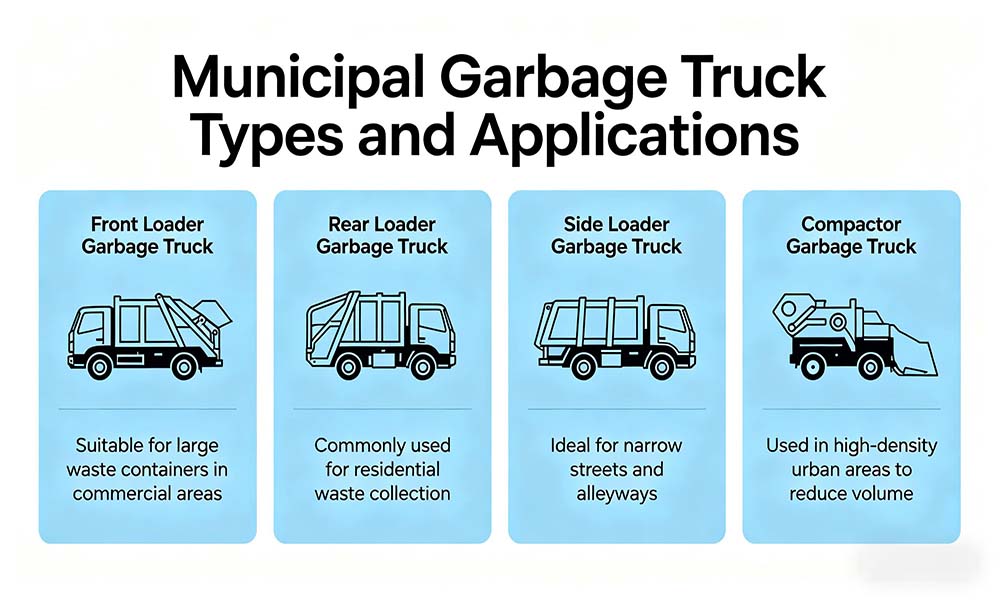
Rear Loader Trucks for Residential Areas
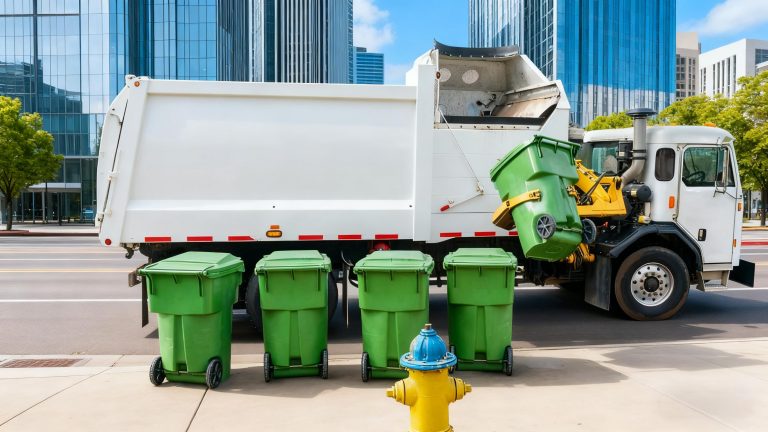
Rear loader trucks are widely used for household waste collection due to their flexibility and cost-effectiveness.
Front Loader Trucks for Commercial Zones
Front loader trucks are suitable for commercial waste collection in markets, industrial zones, and business districts.
Side Loader Trucks for Smart Cities
Side loader trucks are used in modern urban systems where automation and efficiency are priorities.
Understanding how these systems perform in real operations is important. Buyers often review municipal refuse collection system overview to compare different vehicle types.
Tender Process for Garbage Truck Procurement
Government projects usually follow a structured tender process.
Typical steps include:
- Project requirement definition
- Tender announcement
- Supplier qualification review
- Technical proposal submission
- Price evaluation
- Contract award
Each stage requires detailed documentation and compliance with project specifications.
Suppliers with experience in international projects can better support this process. Reviewing government project truck supplier experience can help assess supplier capabilities.
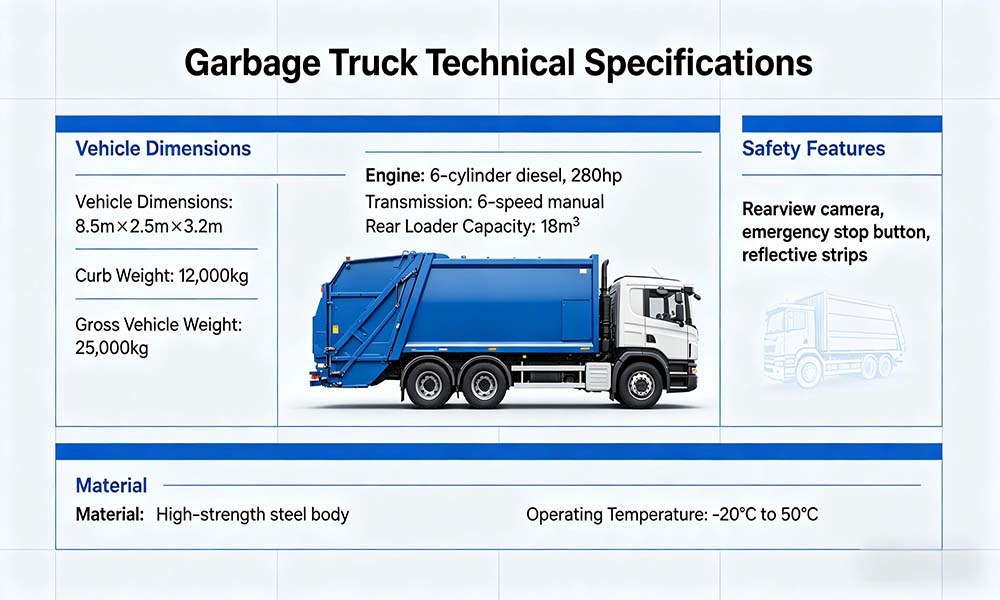
Technical Specifications That Matter
When evaluating bids, technical specifications play a key role.
Important parameters include:
- Vehicle capacity
- Compaction ratio
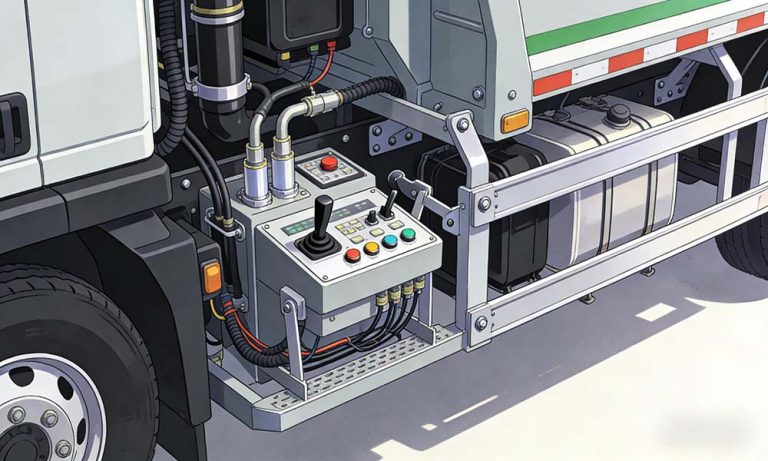
- Hydraulic system performance
- Fuel efficiency
- Emission standards
Buyers often compare technical data using a municipal garbage truck specification checklist to ensure compliance with project requirements.
Budget Planning and Cost Control
Government projects require careful budget planning.
Key cost components:
- Vehicle purchase price
- Shipping and logistics
- Import duties and taxes
- Maintenance and spare parts
- Operator training
Focusing only on the lowest bid can lead to higher long-term costs. Buyers often evaluate proposals using a government refuse truck cost evaluation to balance price and quality.
Supplier Evaluation Criteria
Selecting the right supplier is one of the most critical steps in a government project.
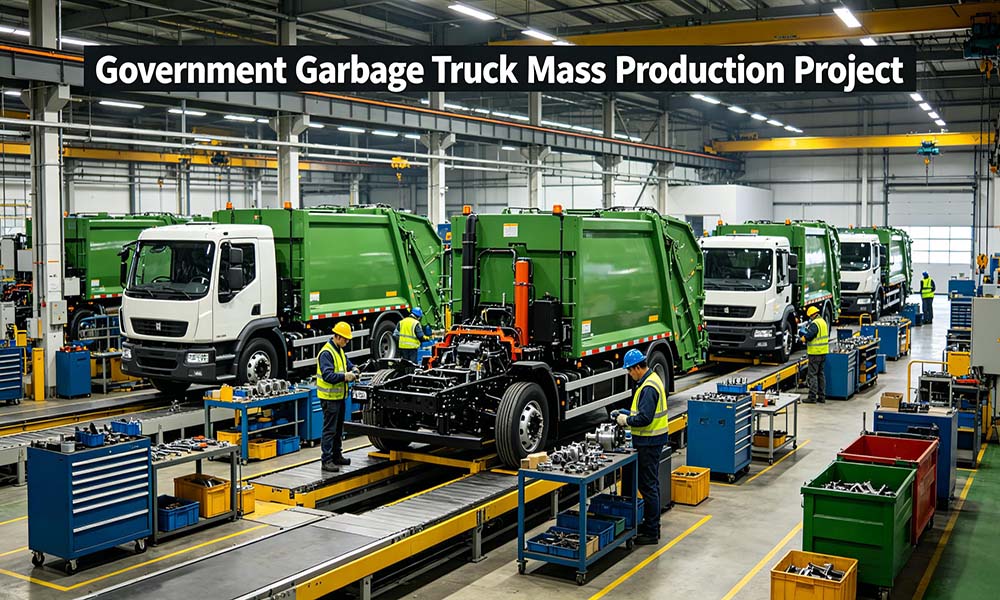
Production Capacity
The supplier must be able to deliver multiple units within the required timeline.
Quality Control
Consistent quality across all units is essential.
Export and Project Experience
Suppliers with experience in international government projects are more reliable.
After-Sales Service
Long-term support ensures continuous operation.
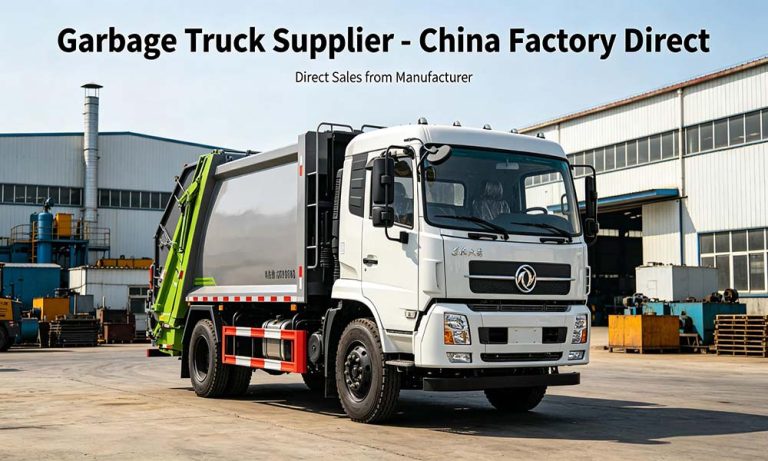
For large-scale procurement, reviewing government garbage truck supplier profile can help identify reliable partners with proven experience.
Common Challenges in Government Projects
Common issues include:
- Delays in delivery
- Inconsistent product quality
- Lack of spare parts
- Poor communication
These challenges can affect project timelines and operational efficiency.
Best Practices for Successful Procurement
Recommended strategies:
- Clearly define technical requirements
- Work with experienced suppliers
- Ensure proper contract terms
- Plan for long-term maintenance
Buyers who follow these practices are more likely to achieve successful project outcomes.
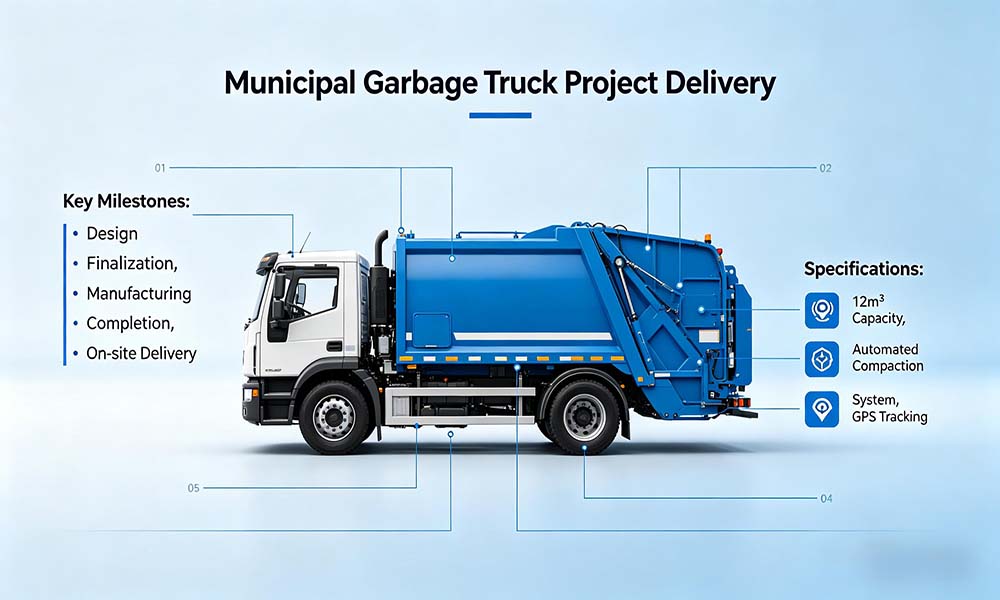
Building Long-Term Cooperation
Government projects often lead to long-term partnerships between buyers and suppliers. Establishing trust and maintaining consistent quality are key to future collaboration.
Suppliers that provide reliable products and strong support are more likely to secure repeat orders and expand their presence in the market.