Choosing the Right Garbage Truck Compactor for Different Waste Types
Not all garbage truck compactors are designed for the same type of waste. Residential, commercial, and industrial waste each present unique challenges in terms of density, volume, and handling requirements.
This article explains how different garbage truck compactor designs are matched to specific waste types, helping buyers select the most suitable solution for their operations.
Understanding Why Waste Type Matters
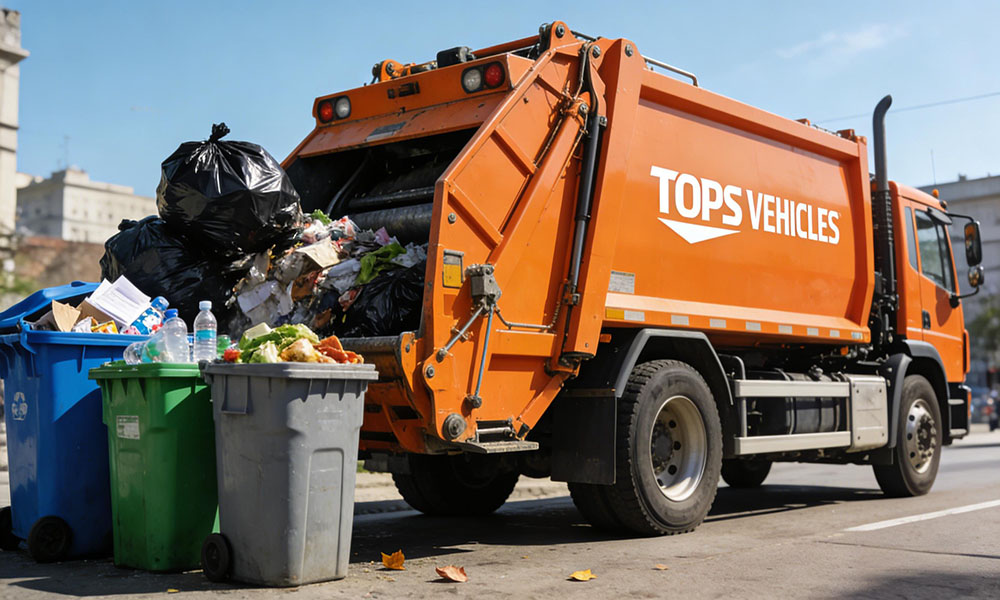
Waste composition directly affects compaction efficiency, structural stress, and maintenance frequency. A compactor optimized for light household waste may fail prematurely when used for heavy industrial materials.
Selecting the correct compactor design based on waste type improves performance and reduces long-term costs.
Residential Waste: Light, High-Volume Loads
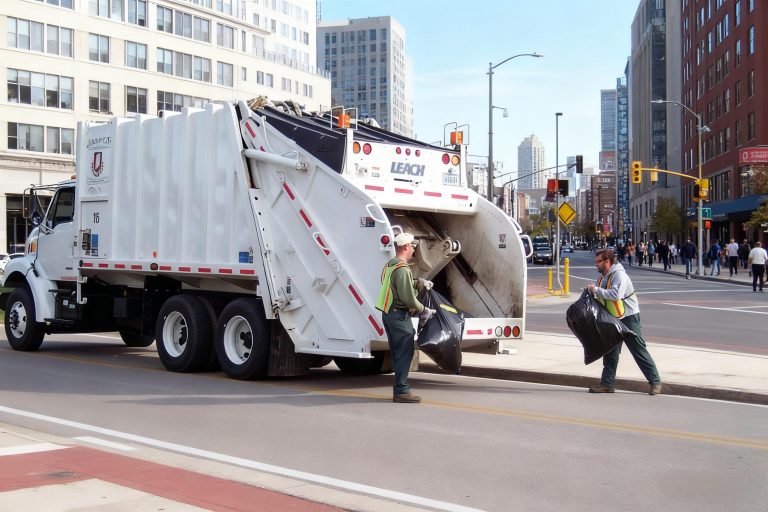
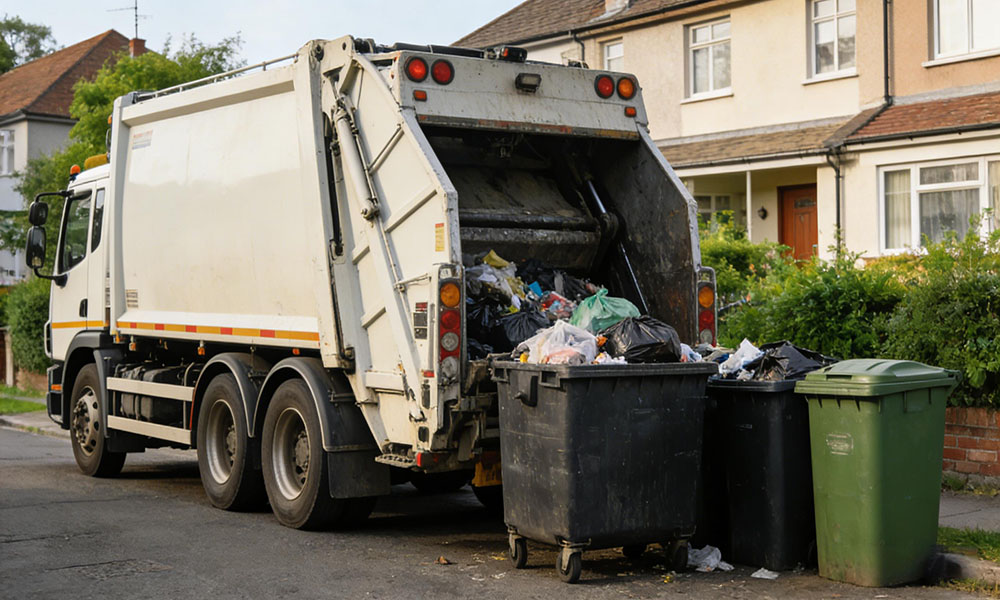
Residential waste typically consists of bagged household trash, food waste, and light packaging materials. The key challenge is handling high volume rather than high weight.
Recommended Compactor Features
- Moderate compaction pressure
- Fast cycle times
- Smooth hopper feeding
- Emphasis on efficiency over maximum force
Rear loader compactors are commonly used in residential routes due to their flexibility and ability to handle irregular loading.
Commercial Waste: Mixed Density and Bulky Items
Commercial waste includes cardboard, packaging materials, and mixed refuse from businesses. Waste density varies widely, and bulky items are common.
Recommended Compactor Features
- Reinforced compaction plate
- Stable hydraulic pressure control
- Balanced compaction ratio
- Durable slide rails
Compactors used in commercial environments must balance flexibility with durability.
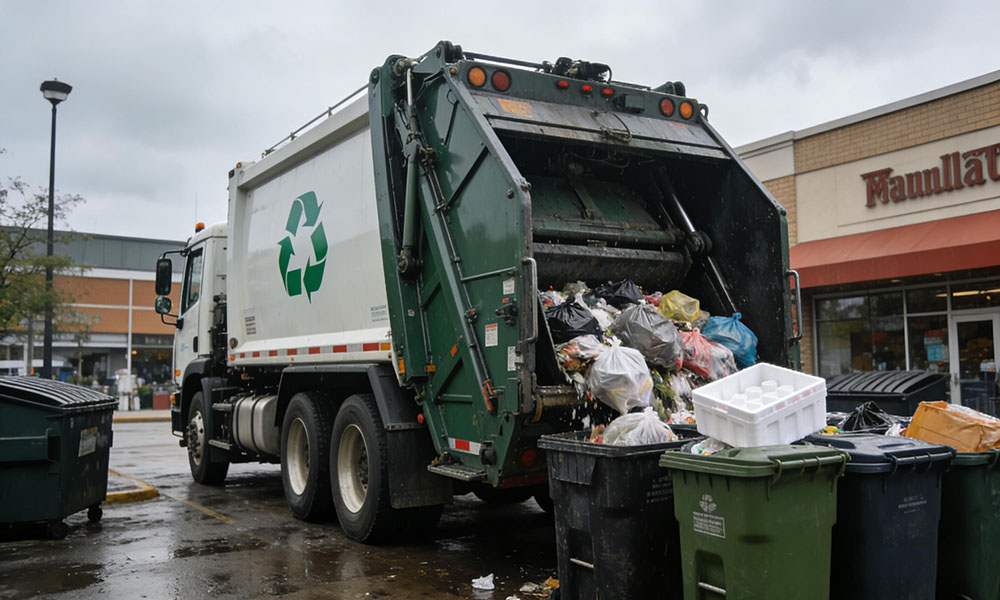
Industrial Waste: Heavy and High-Density Materials
Industrial waste often includes metal scraps, construction debris, and other high-density materials. These loads place significant stress on the compactor’s structure and hydraulic system.
Recommended Compactor Features
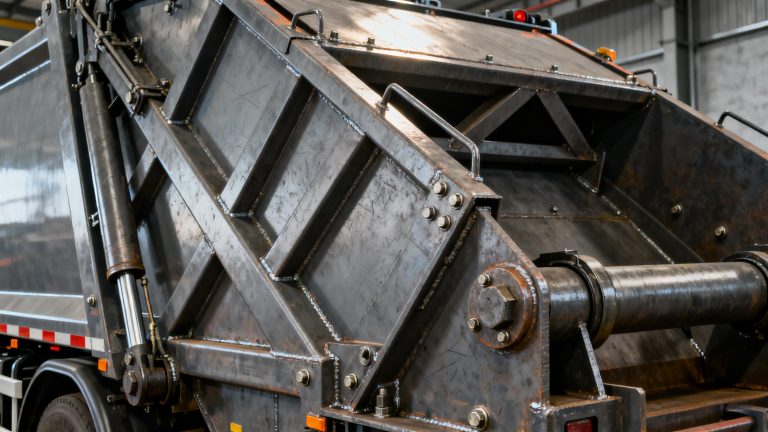
- High-strength steel structure
- Reinforced body and tailgate
- Controlled, high-pressure hydraulics
- Heavy-duty cylinders
Industrial waste compactors prioritize durability and safety over speed.
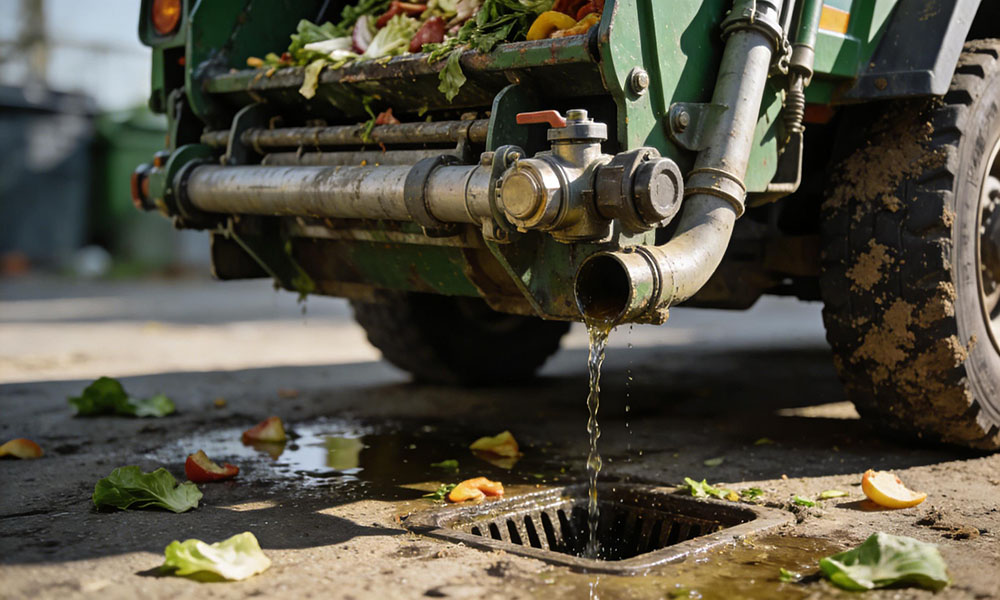
Organic and Wet Waste: Moisture and Corrosion Challenges
Wet waste increases load weight and accelerates corrosion. Compactors handling organic waste must address drainage and material protection.
Recommended Compactor Features
- Corrosion-resistant materials
- Proper drainage design
- Sealed hydraulic components
- Regular cleaning access
Matching Compactor Design to Waste Type
Selecting the right compactor requires understanding both waste composition and route conditions. Using a residential compactor for industrial waste may lead to rapid wear, while an overbuilt industrial compactor on light routes reduces efficiency.
Experienced manufacturers like kendaraan teratas design garbage truck compactors that can be configured for different waste types, ensuring optimal performance across various applications.
Common Mistakes in Waste Type Selection
One common mistake is choosing the largest or most powerful compactor regardless of waste type. This often leads to higher fuel consumption and unnecessary mechanical stress.
Another mistake is underestimating moisture content, which significantly affects load weight and system wear.
Waste Type Determines Compactor Success
Garbage truck compactor performance depends heavily on matching design features to waste type. Understanding these differences helps buyers make informed decisions that improve efficiency, safety, and equipment lifespan.
By working with experienced manufacturers such as kendaraan teratas, fleets can ensure their compactor systems are correctly matched to real-world waste conditions.