
How to Evaluate Garbage Truck Compactor Load Capacity and Efficiency
Load capacity and efficiency are two of the most frequently misunderstood factors when selecting a garbage truck compactor. Many buyers focus on body volume alone, without considering waste density, compaction ratio, or real operating conditions.
This guide explains how to evaluate compactor capacity and efficiency accurately, helping fleet managers and procurement teams avoid costly mistakes.
Why Body Volume Does Not Equal Real Load Capacity
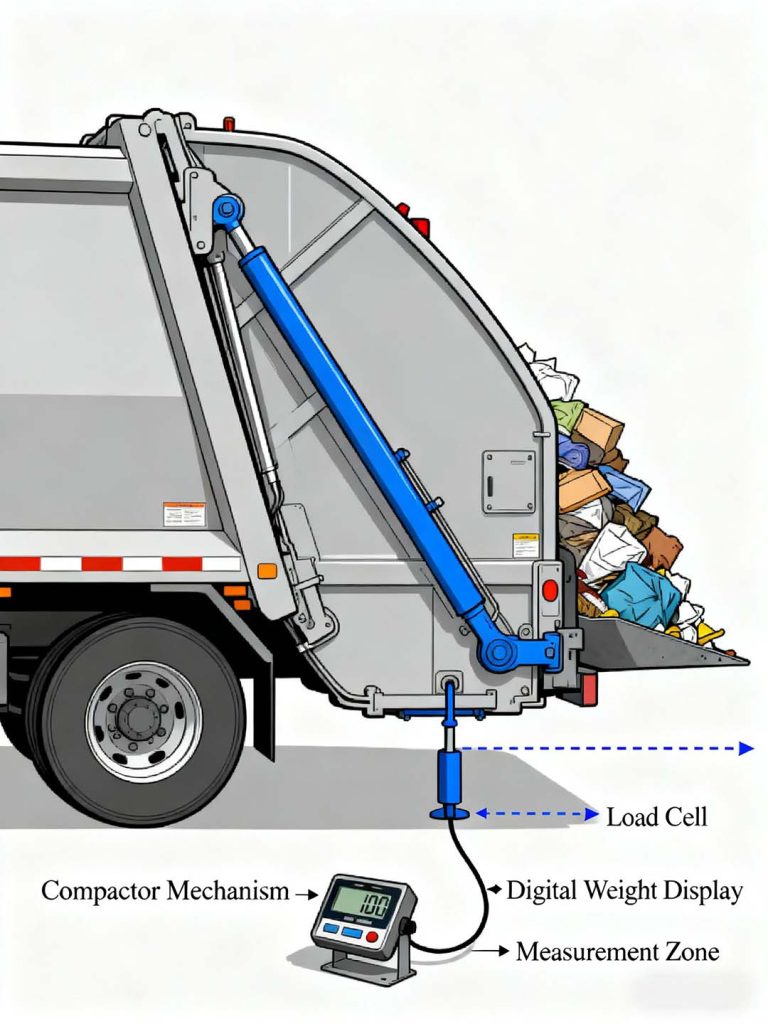
A compactor body may be rated at a certain cubic meter volume, but that number alone does not represent how much waste the truck can handle per route. Waste composition, moisture content, and compaction method all affect actual load capacity.
Real-world capacity is determined by how efficiently the compactor compresses waste into usable space.
Understanding Waste Density and Compaction Ratio
What Is Waste Density?
Waste density refers to the weight of waste per cubic meter. Household waste, commercial waste, and construction debris all have different densities. A compactor optimized for light municipal waste may struggle with heavier materials.
What Is Compaction Ratio?
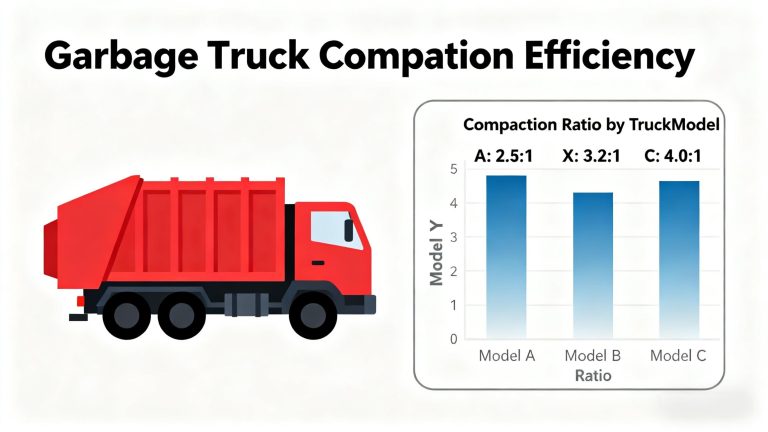
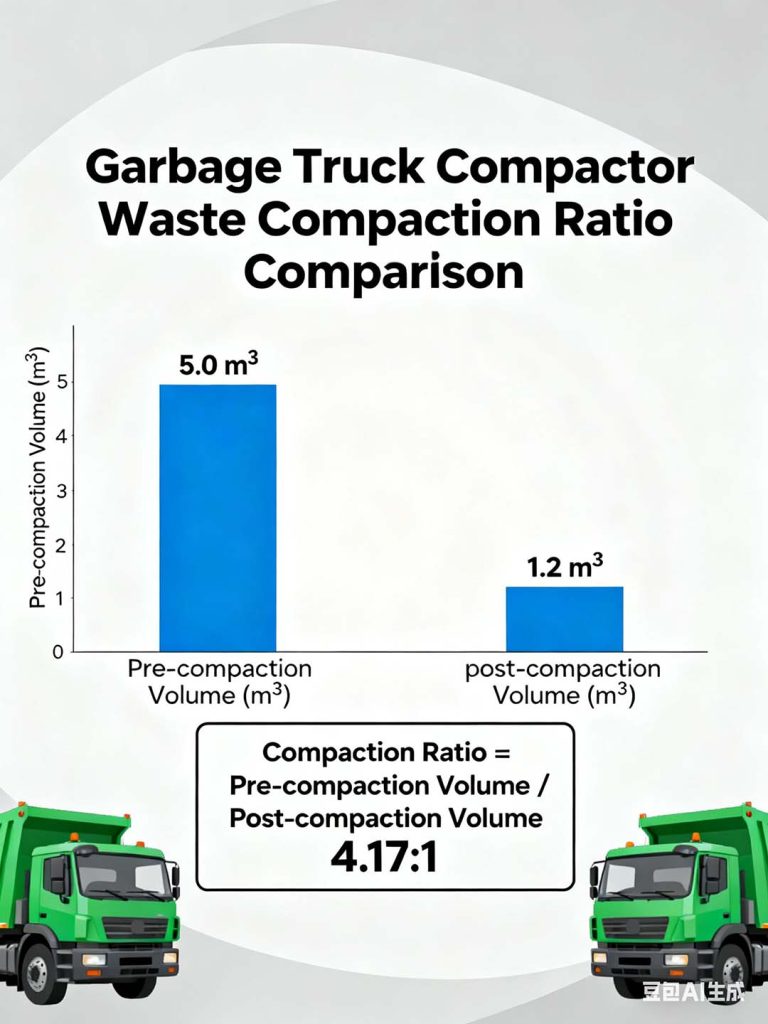
Compaction ratio describes how much the waste volume is reduced during compaction. For example, a 3:1 compaction ratio means three units of loose waste are compressed into one unit of compacted volume.
Higher ratios improve efficiency but increase mechanical stress if not properly engineered.
Evaluating Hydraulic Performance for Efficiency
Hydraulic flow rate and pressure stability directly affect compaction cycle speed. Fast but unstable systems reduce control and increase wear, while overly slow systems reduce route efficiency.
A well-balanced hydraulic system delivers consistent pressure with smooth movement, optimizing both efficiency and component lifespan.
Matching Compactor Capacity to Route Conditions
Urban Residential Routes
These routes require frequent loading with lighter waste. Short compaction cycles and smooth hopper feeding improve overall efficiency more than maximum pressure.
Long-Distance Collection Routes
For extended routes, load density and fuel efficiency become critical. Efficient compaction reduces the number of trips required, lowering operating costs.

Common Capacity Evaluation Mistakes
One common mistake is assuming higher maximum load ratings always lead to better efficiency. In reality, exceeding optimal load levels increases fuel consumption, wear, and safety risks.
Another mistake is ignoring chassis limitations, which can restrict usable capacity regardless of compactor design.
How Manufacturers Optimize Capacity and Efficiency
Experienced manufacturers such as kendaraan teratas design compactor systems by balancing structure, hydraulics, and chassis compatibility. Instead of maximizing one parameter, they optimize the entire system for real operating conditions.
This approach results in stable performance, longer service life, and better overall efficiency.
Practical Checklist for Buyers
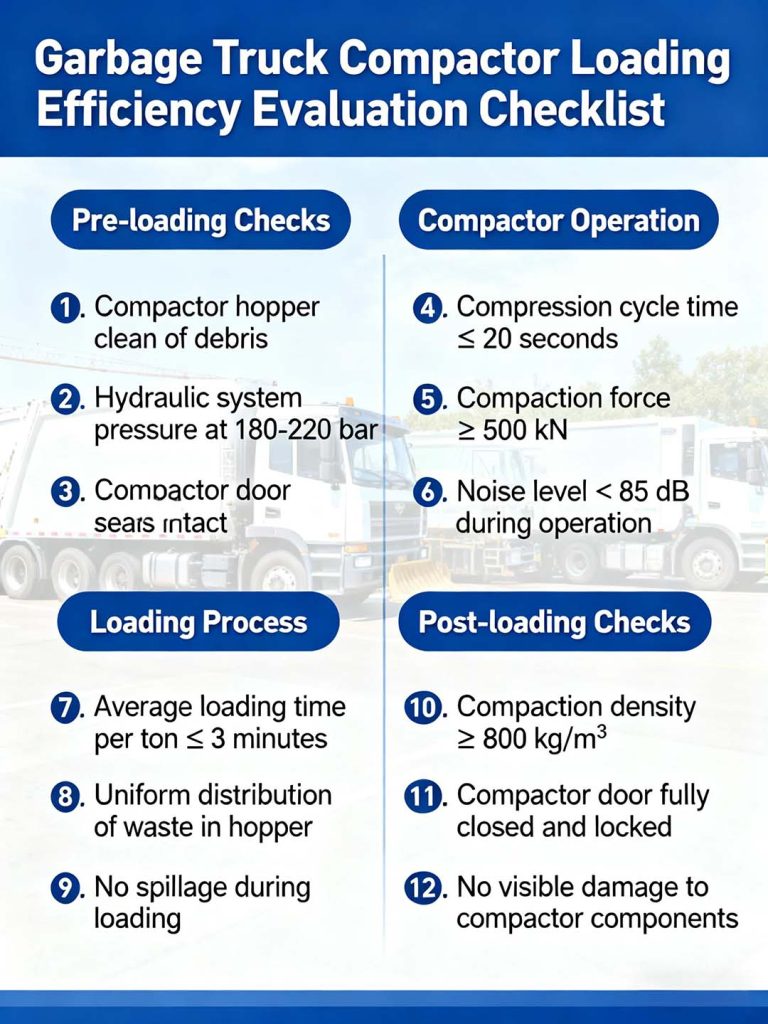
When evaluating a garbage truck compactor, consider the following:
- Waste type and average density
- Compaction ratio under real conditions
- Hydraulic stability and cycle time
- Structural reinforcement in high-stress areas
- Compatibility with chassis load limits
Efficiency Is About Balance
Evaluating garbage truck compactor load capacity and efficiency requires more than reading specification sheets. True efficiency comes from balancing waste type, hydraulic performance, and structural design.
By focusing on real-world conditions and working with experienced suppliers like kendaraan teratas, buyers can select compactor systems that deliver consistent performance and long-term value.