ゴミ収集車コンパクターの内部:構造、主要部品、作業ロジック
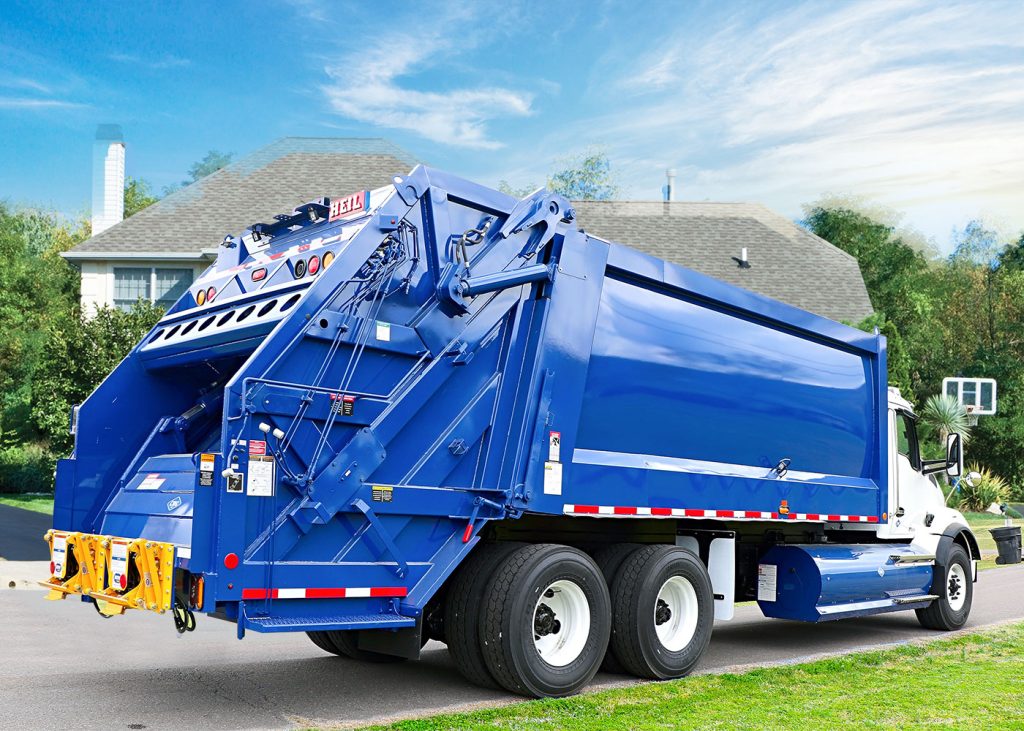
何が起きているのかを理解する ゴミ収集車のコンパクター内 これにより、購入者は性能、耐久性、および長期的な運用コストを評価しやすくなります。コンパクターは外見上は単純に見えますが、その内部構造は補強鋼材、油圧、そして連動した動きが組み合わさったものです。ここでは、Tops Vehicleが、現代のリアローダーおよびトラック搭載型圧縮システムに搭載されている主要な構成要素について解説します。.
ごみ収集車の圧縮装置の主な構造
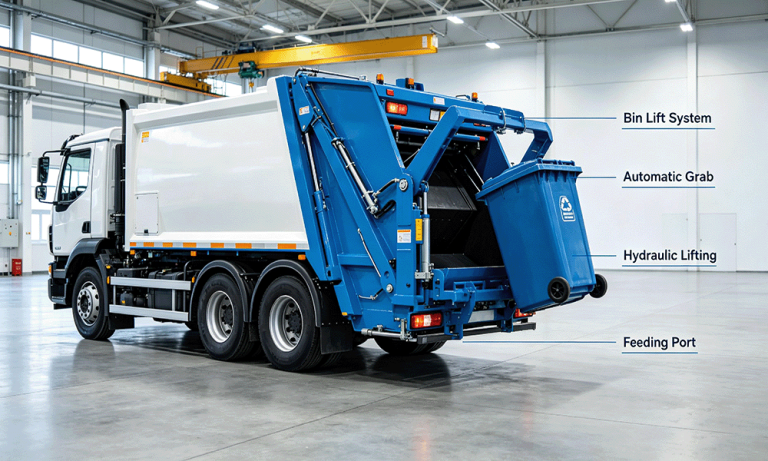
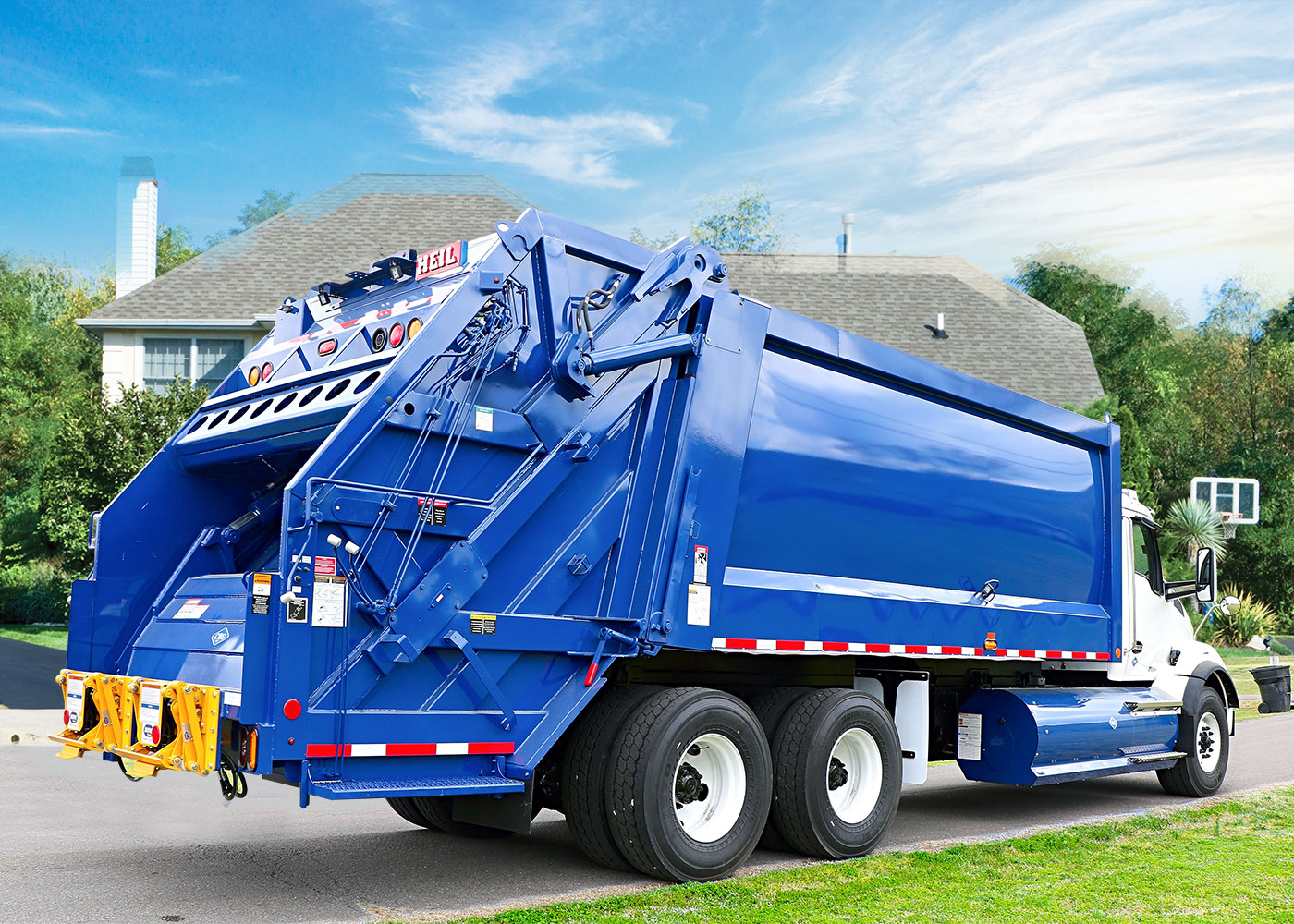
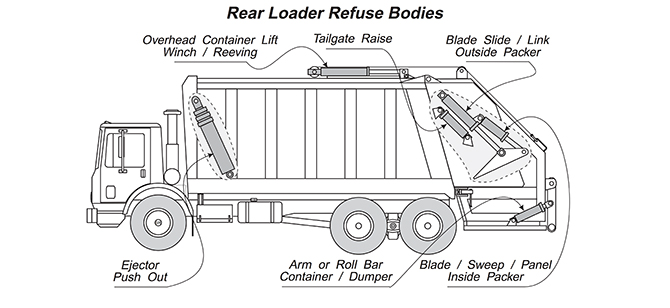
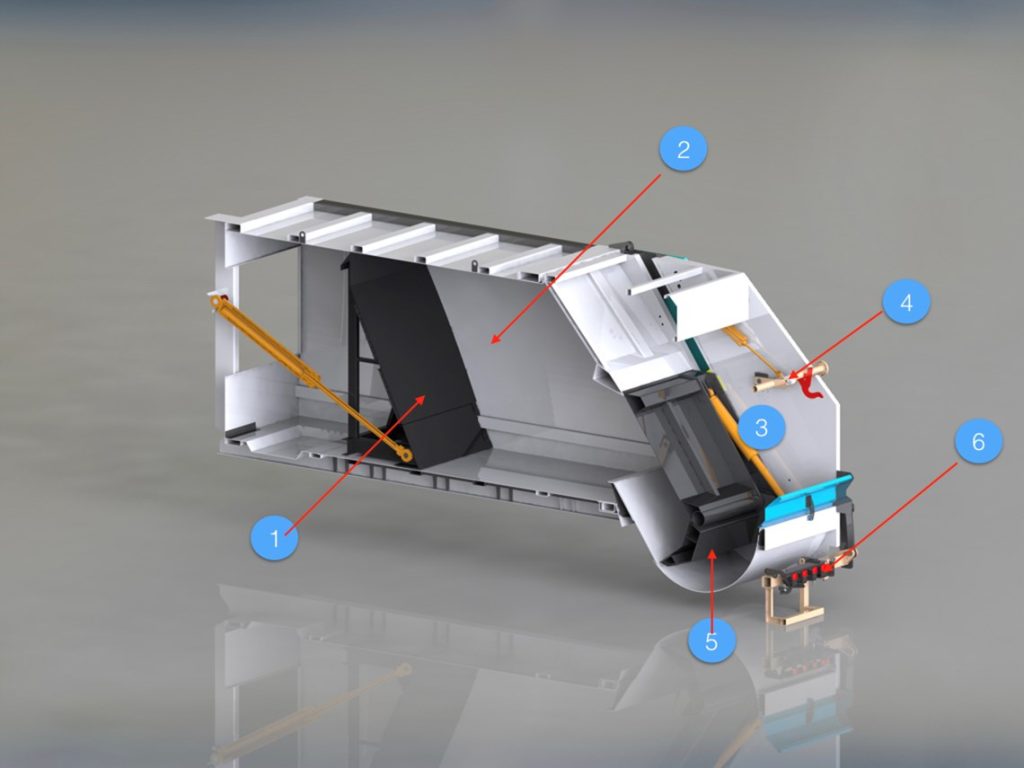
ごみ収集車の圧縮装置は、ホッパー、圧縮パネルシステム、および車体チャンバーという3つの主要な構成要素から成っています。各構成要素が連携して、廃棄物を圧縮し、車体内に搬入するとともに、作業員にとってスムーズかつ安全な積載サイクルを維持します。.
1. ホッパーおよび投入部
ホッパーの設計
ホッパーは、廃棄物がシステムに投入される場所です。その内壁には、混合一般廃棄物、建設廃材、および高密度の有機物による衝撃に耐えられるよう、耐摩耗性鋼材が使用されています。リアローダー式圧縮収集車には、収集のピーク時間帯に収容能力を高めるため、より深いホッパーが装備されていることがよくあります。.
リフターおよびビン把持機構
多くの輸出向けモデルには、欧州式のビンリフター、固定アーム式リフター、あるいはコームリフト方式が採用されています。これらの装置により、手作業による取り扱いが軽減され、正確かつ一貫性のある積み込みが可能になります。.
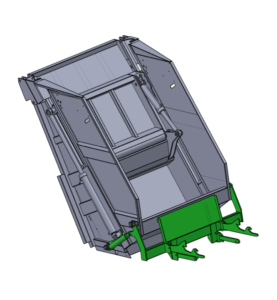
2. 締固めプレートおよびスライドレールシステム
締固めパネル
ごみ収集車の圧縮装置内部において、圧縮プレートはシステムの要です。この補強鋼板は、ホッパー内のごみを本体チャンバーへと押し込みます。このプレートは、長期使用に伴うたわみや摩擦に耐えられるよう設計された、頑丈なスライドレール上を走行します。.
ガイドレール
これらのレールは、前後方向への安定した移動を保証します。高強度の材料と適切な潤滑は、耐用年数と締固め効率に大きく影響します。.
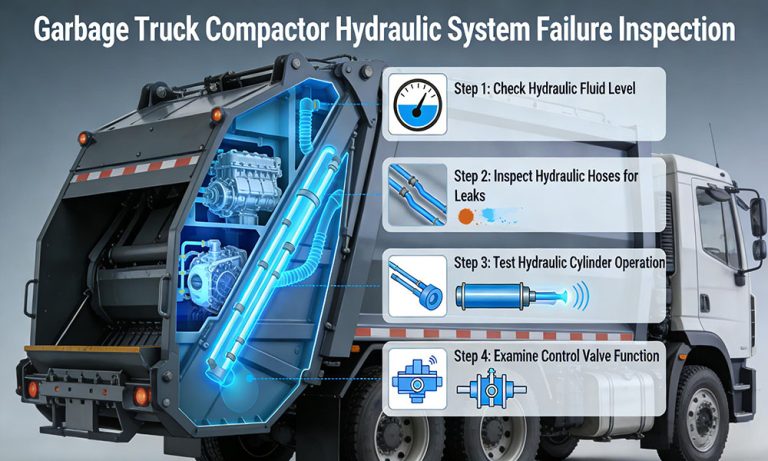
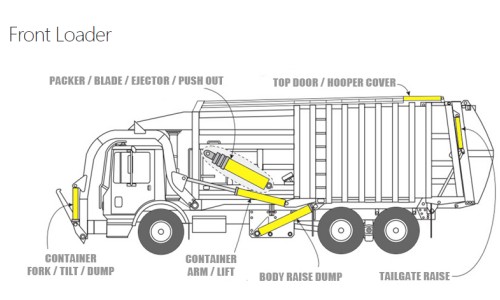
3. 油圧シリンダと圧力システム
油圧シリンダーは、廃棄物の圧縮に必要な力を供給します。その圧力は通常、 16~20 MPa, (モデルによって異なります)。安定した油圧により、大型廃棄物が均一に圧縮され、荷重がかかった際に圧縮プレートがねじれるのを防ぎます。.
圧力逃がしおよび安全制御
過負荷による損傷を防ぐため、最新のシステムには、圧力逃がし弁、オイル冷却装置、およびテールゲートが完全に閉まっていない場合にコンパクターの作動を阻止する安全インターロックが搭載されています。.
4. 本体室および廃棄物貯留部
強化された車体構造
圧縮された廃棄物は、本体チャンバーへと送られます。この部分には、建設廃棄物や重度の有機性廃棄物を処理する市場向けに、より強度の高い鋼材層、あるいはオプションとしてマンガン鋼が使用されています。.
滑らかな内壁
滑らかな車体内部により、廃棄物の付着を防ぎ、埋立処分場での荷下ろし作業を迅速化します。.
5. テールゲート機構およびシーリングシステム
テールゲートには、締め付け時に圧力を維持するためのロックシリンダー、シーリングストリップ、およびヒンジ構造が備わっています。適切に設計されたテールゲートは、漏れを防ぎ、走行中の車両の安全を確保します。.
油圧式ロックシステム
このシステムにより、圧縮室が満杯の状態であっても、輸送中に動きが生じないよう保証されています。.
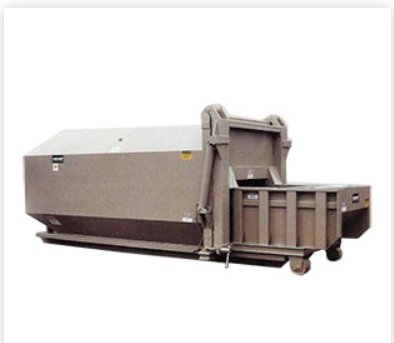
内部構造を理解することがなぜ重要なのか
ごみ収集車の圧縮装置の内部構造を把握しておくことで、購入者は各モデルを比較検討し、メンテナンス要件を評価し、地域の廃棄物管理システムとの互換性を確認することができます。Tops Vehicleでは、各自治体の廃棄物の種類、ごみ箱の規格、道路状況に合わせて、詳細な構造図の提供や素材のカスタマイズを行っています。.
このような構造レイアウトは、主に リアローダー式ゴミ収集車用コンパクター, これらは操作面でも安全面でも、サイドローダーの設計とは大きく異なります。.