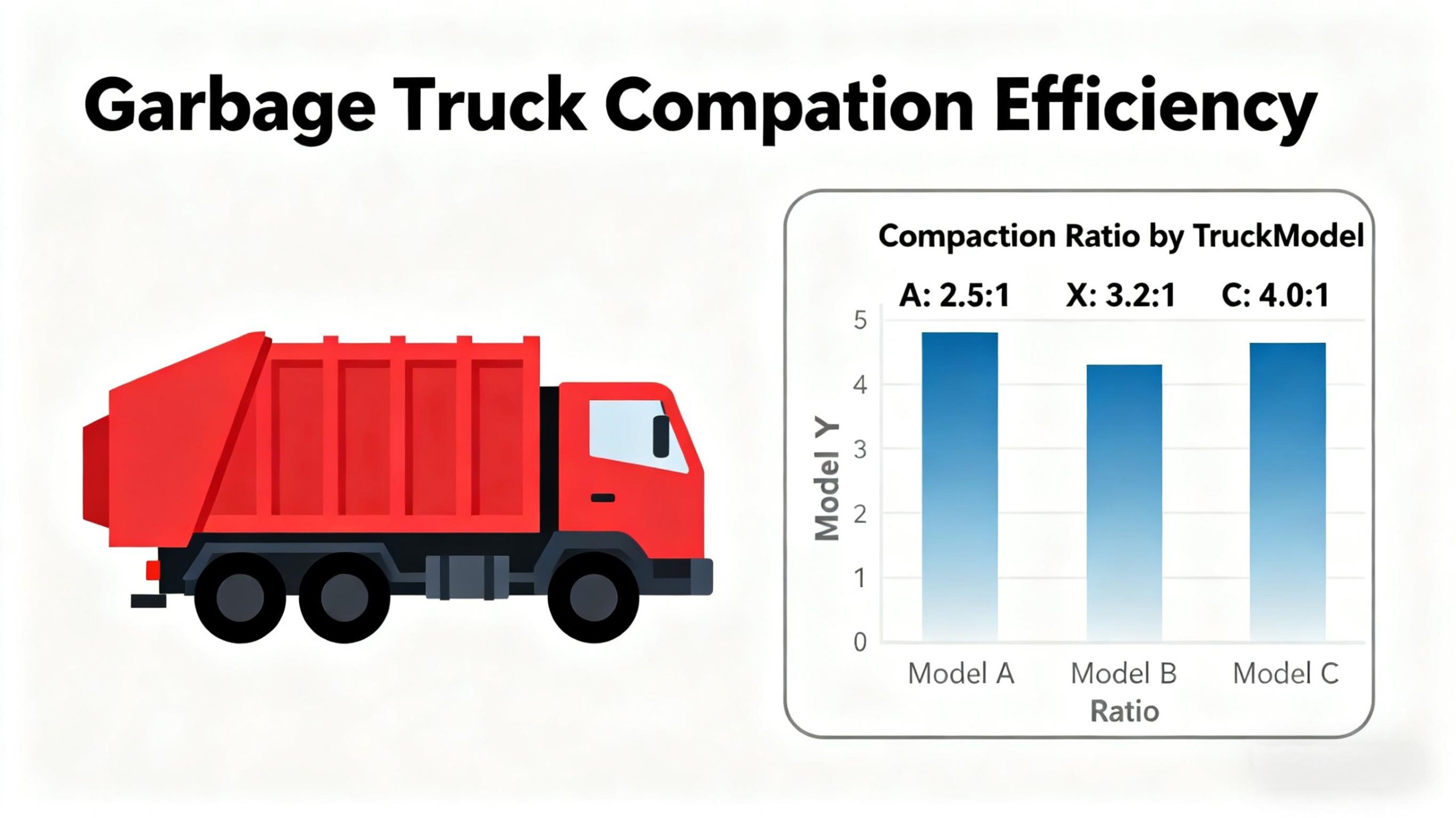
Garbage Truck Compactor Efficiency Explained: Compaction Ratio and Capacity
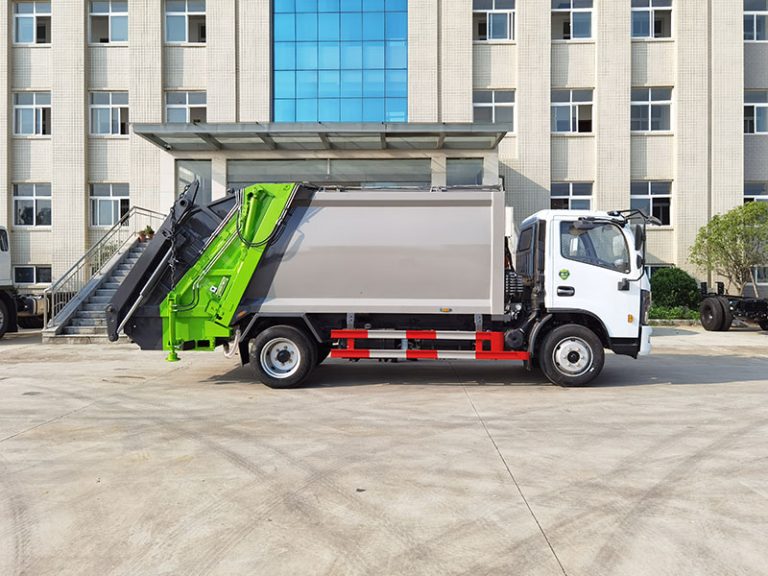
Compactor efficiency directly affects how much waste a ゴミ収集車 can collect per trip. Higher efficiency means fewer trips, lower fuel consumption, and reduced operating costs.
This article explains how compaction ratio and operating conditions determine real-world performance.
Understanding Compaction Ratio
Compaction ratio describes how much waste volume is reduced during operation. For example, a 3:1 ratio means the waste volume is compressed to one-third of its original size.
Actual compaction ratios depend on:
- Waste composition and density
- Moisture content
- Applied compaction force
- Cycle duration
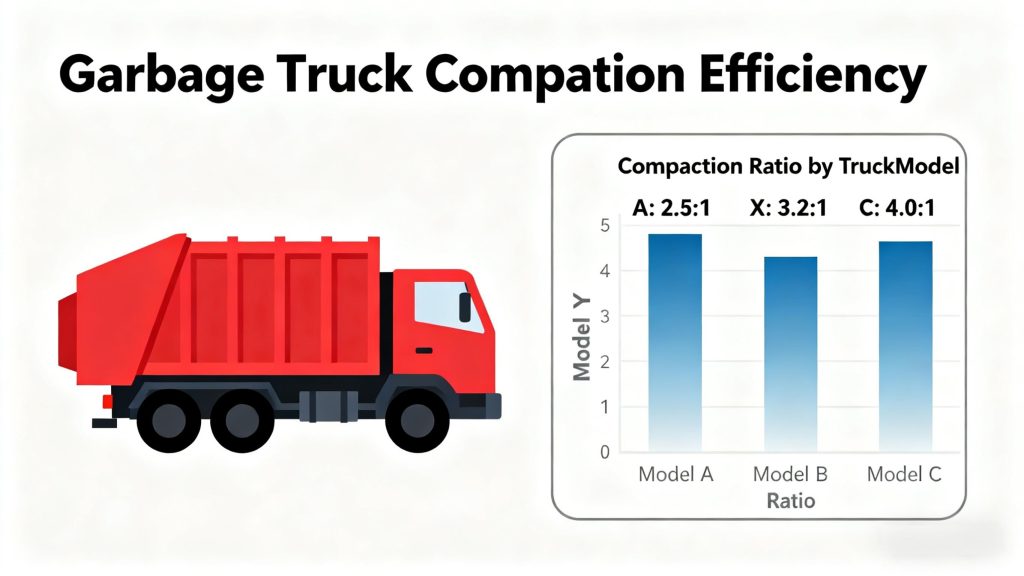
Factors That Influence Compactor Efficiency
Several technical and operational elements affect efficiency:
- Hydraulic pressure and oil flow rate
- Compaction plate geometry
- Hopper volume and loading method
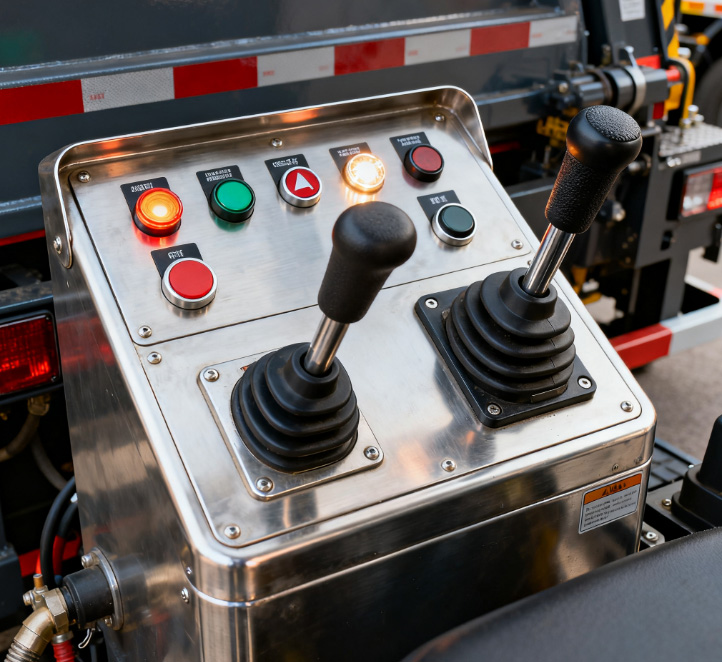
- Control system cycle settings
Hydraulic performance plays a key role in force generation.
👉 hydraulic system of garbage truck compactor
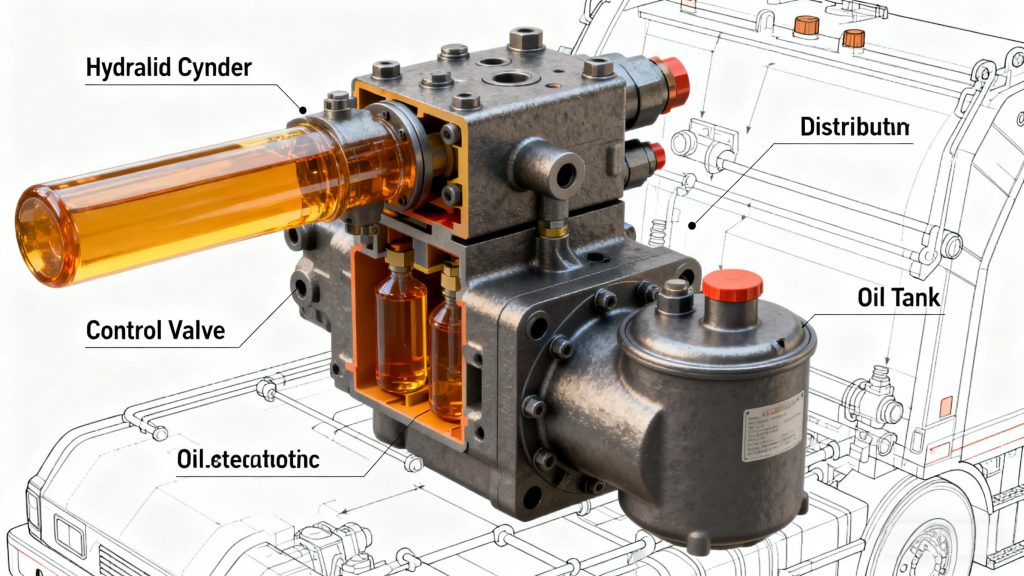
Structural Design and Waste Distribution
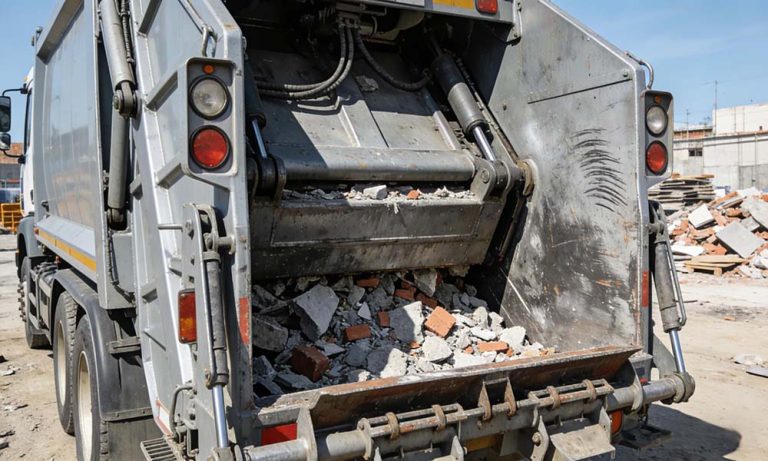
The internal structure of the compaction chamber determines how evenly force is applied. Poor alignment or uneven loading increases resistance and reduces effective compaction.
An overview of internal layout is available here:
👉 garbage truck compactor structure
Operating Habits and Real Collection Capacity
Even high-performance compactors lose efficiency when operated incorrectly. Overloading, unbalanced waste placement, or excessive cycling increases wear and reduces effective capacity.
Correct operating procedures are essential for maintaining stable performance.
👉 garbage truck compactor safety guidelines

Evaluating Efficiency for Fleet Planning
When selecting a ゴミ収集車圧縮機, evaluating real operating efficiency is more important than theoretical specifications. Long-term reliability, maintenance requirements, and operator training all influence overall productivity.