What to Look for in a Garbage Truck Compactor Manufacturer
Choosing a garbage truck compactor manufacturer is not simply about comparing prices or catalog specifications. For municipal fleets, waste contractors, and international buyers, the manufacturer you choose determines long-term reliability, maintenance cost, spare parts availability, and operational safety.
This article explains how to evaluate a garbage truck compactor manufacturer from a practical, engineering-driven perspective, helping buyers avoid common pitfalls and make decisions based on real operating value rather than marketing claims.
Why Manufacturer Selection Matters More Than Compactor Capacity
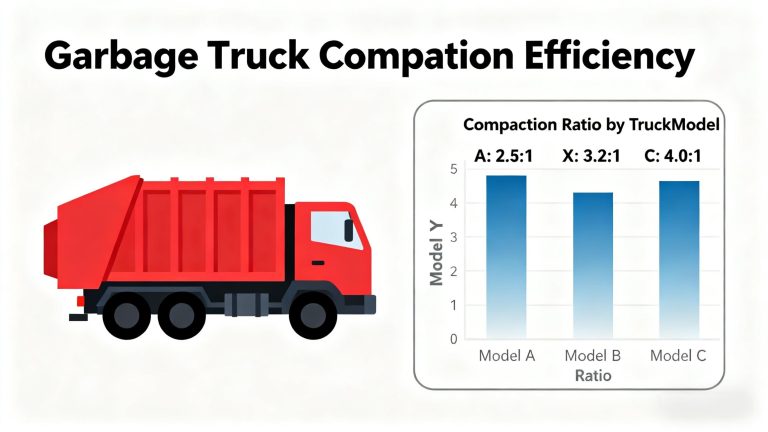
Many buyers focus heavily on compactor volume or advertised compression ratio. While these factors are important, they represent only a small part of the total ownership equation.
In real-world operations, the manufacturer’s design philosophy, quality control, and after-sales capability have a much greater impact on long-term performance than a few extra cubic meters of capacity.
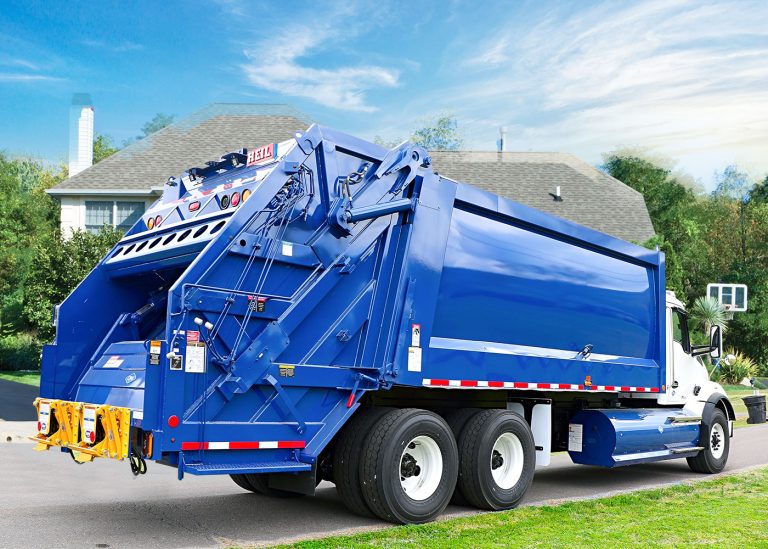
For buyers who want a full technical foundation before comparing suppliers, this garbage truck compactor guide explains how structure, hydraulics, and operation work together as a system.
Engineering Design and Structural Integrity
A reliable garbage truck compactor manufacturer prioritizes structural durability over cosmetic features.
Key Structural Design Indicators
- Reinforced compactor floor and side walls
- Proper stress distribution on slide rails
- High-strength steel in high-wear zones
- Tailgate locking systems designed for repeated cycles
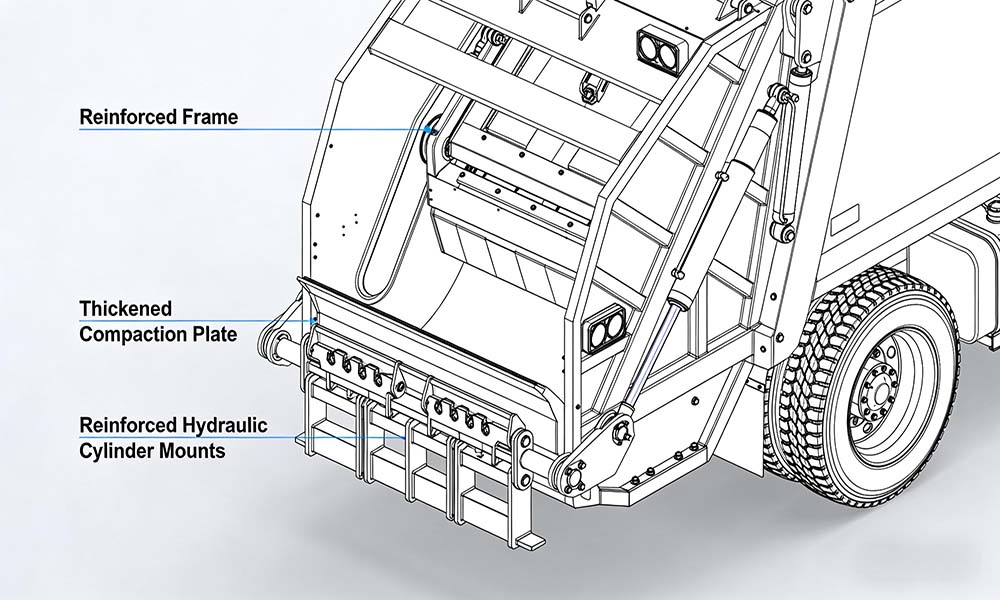
Poor structural design often leads to cracking, deformation, and premature failure—especially under high-frequency municipal collection routes.
To better understand how internal structure affects durability, refer to this garbage truck compactor structure overview.
Hydraulic System Reliability and Design Philosophy
Hydraulics are the heart of any garbage truck compactor. A manufacturer’s approach to hydraulic design reveals how well they understand real operating conditions.
What to Evaluate in Hydraulic Systems
- Conservative pressure design rather than extreme maximum values
- Stable cycle timing under load
- Use of standardized hydraulic components
- Logical hose routing to minimize fatigue
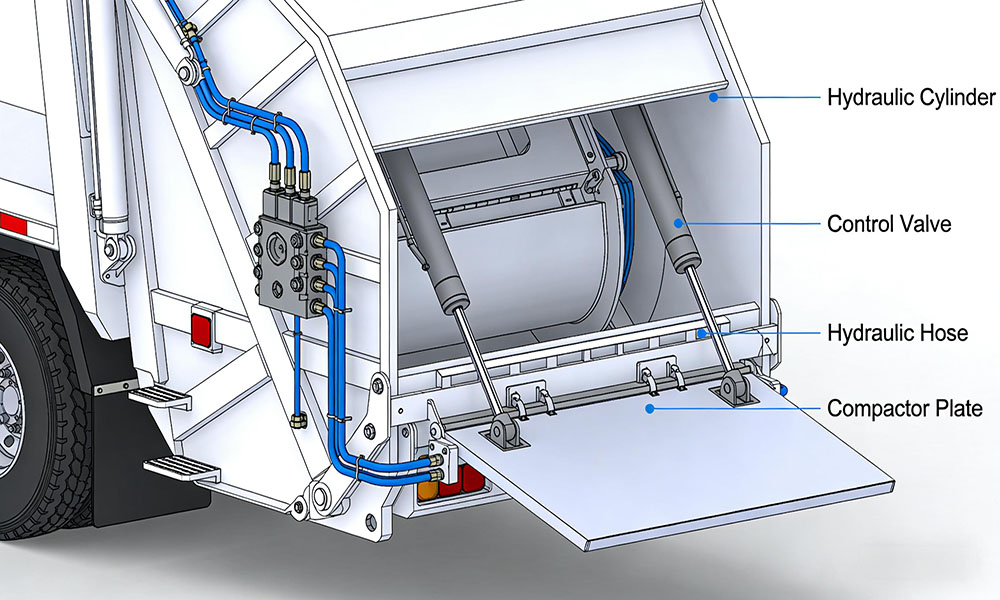
Manufacturers that chase high compression ratios often sacrifice long-term reliability by pushing hydraulic systems beyond safe limits.
This risk is explained in detail in the hydraulic failure analysis for garbage truck compactors.
Manufacturing Process and Quality Control
A trustworthy garbage truck compactor manufacturer can clearly explain how their products are built—not just what they look like when finished.
Indicators of Strong Manufacturing Capability
- In-house welding and fabrication
- Controlled welding procedures for pressure-bearing components
- Functional testing before delivery
- Clear quality inspection standards
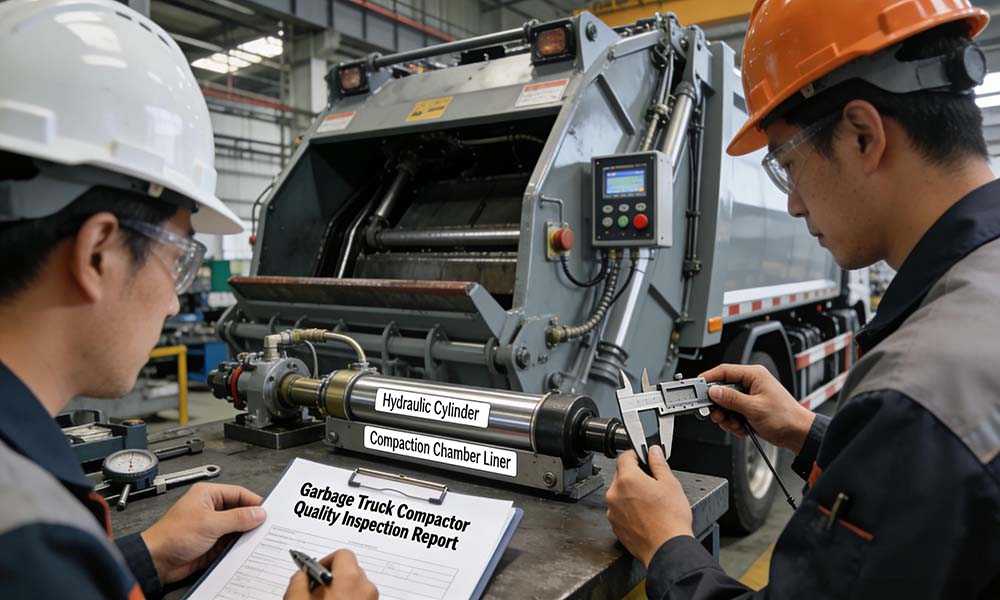
Manufacturers with consistent quality control produce compactors that behave predictably in long-term service, reducing variability between units.
Export Experience and Compliance Capability
For international buyers, export experience is not optional—it is essential.
Why Export Experience Matters
Export-oriented manufacturers understand:
- Different waste compositions by region
- Climate-related hydraulic challenges
- Documentation and certification requirements
- Long-distance spare parts logistics
Companies like Tops Vehicles design garbage truck compactors specifically for export markets, emphasizing durability, adaptability, and standardized components to simplify overseas maintenance.
After-Sales Support and Spare Parts Availability
A compactor is only as reliable as the support system behind it.
Critical After-Sales Factors
- Availability of wear parts
- Clear maintenance documentation
- Technical response capability
- Long-term model continuity
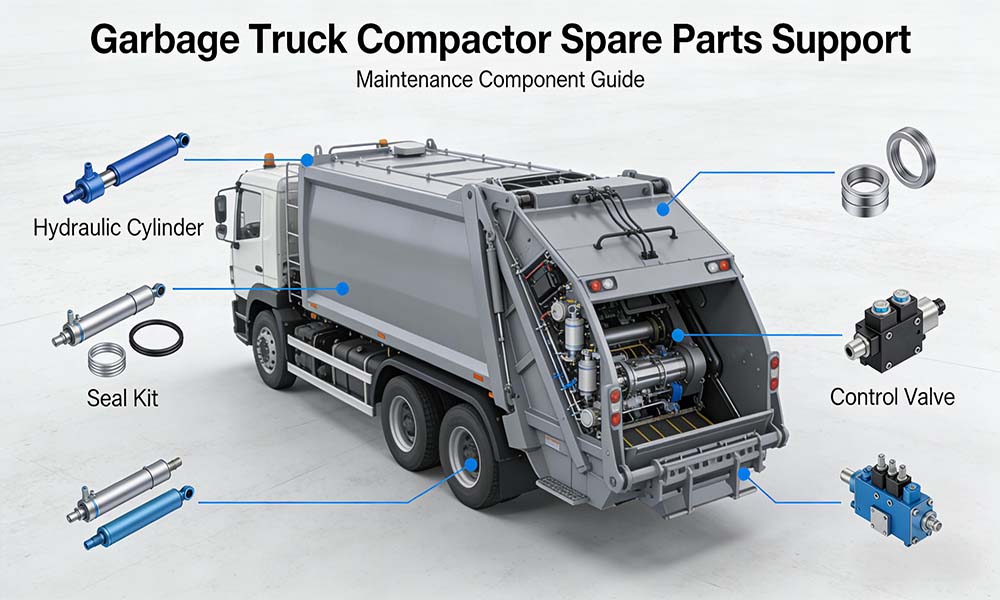
Manufacturers that frequently change designs or use non-standard components increase long-term operating risk for fleet owners.
For maintenance-focused buyers, this garbage truck compactor maintenance checklist outlines how manufacturer support directly affects service planning.
Operational Philosophy: Designed for Real Use or Showroom Appeal?
The most reliable manufacturers design compactors for daily abuse, not showroom appearance.
Real-World Design Priorities
- Easy access to grease points
- Simple control logic for operators
- Protection against misuse
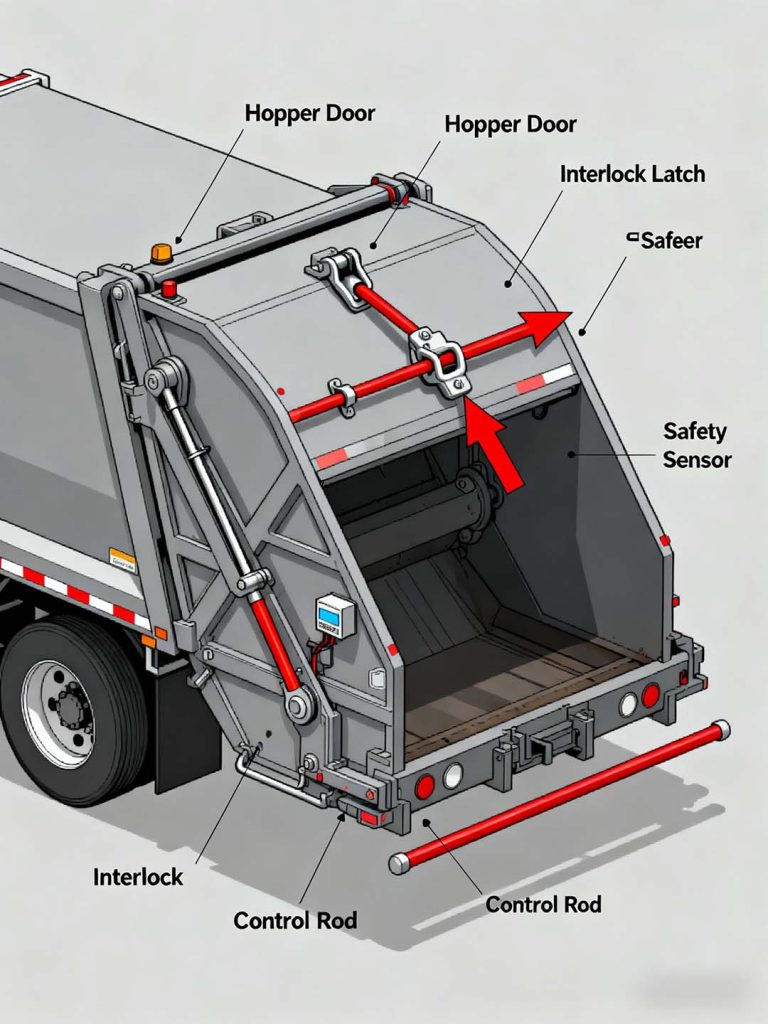
- Clear safety interlocks
Manufacturers focused on real-world operation reduce training cost, operator error, and long-term failure rates.
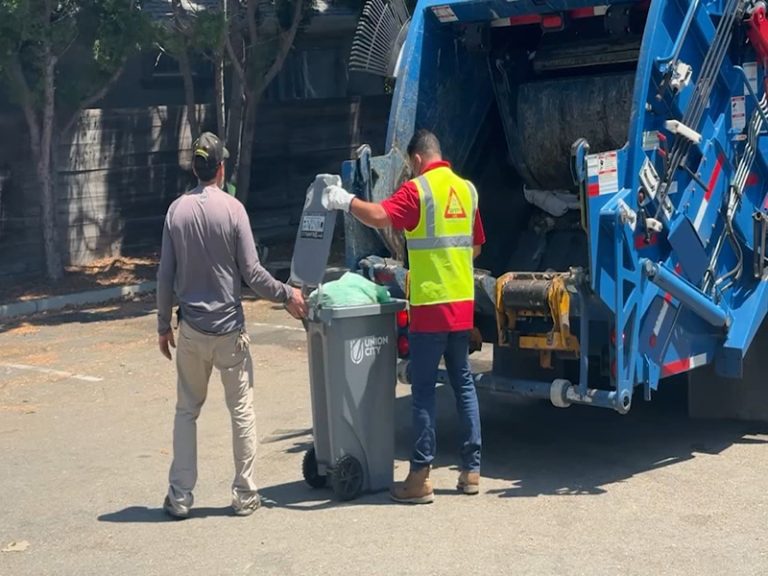
Understanding correct operating practices is also essential, as explained in this garbage truck compactor safety and operating guide.
Choose a Manufacturer, Not Just a Machine
Selecting a garbage truck compactor manufacturer is a strategic decision that affects fleet reliability for years. Buyers should evaluate structural design, hydraulic philosophy, manufacturing quality, export experience, and long-term support—rather than focusing solely on price or capacity.
For a complete framework covering compactor selection, operation, maintenance, and manufacturer evaluation, the central garbage truck compactor guide serves as the foundation of this knowledge hub.