Common Garbage Truck Compactor Problems and How to Prevent Them
Garbage truck compactors are vital for waste management operations, but like any mechanical system, they are susceptible to failures over time. These failures can lead to unplanned downtime, increased repair costs, and even safety hazards. This article covers the most common garbage truck compactor problems, their causes, and the preventative measures that can keep your equipment running smoothly.
1. Hydraulic Oil Leaks
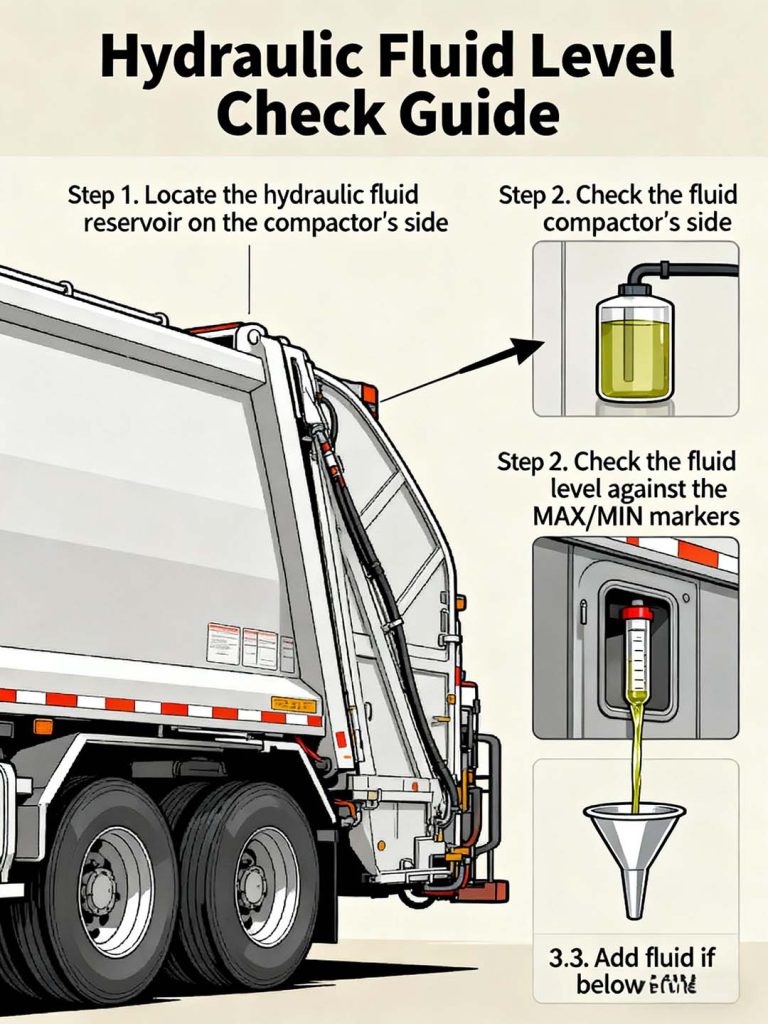
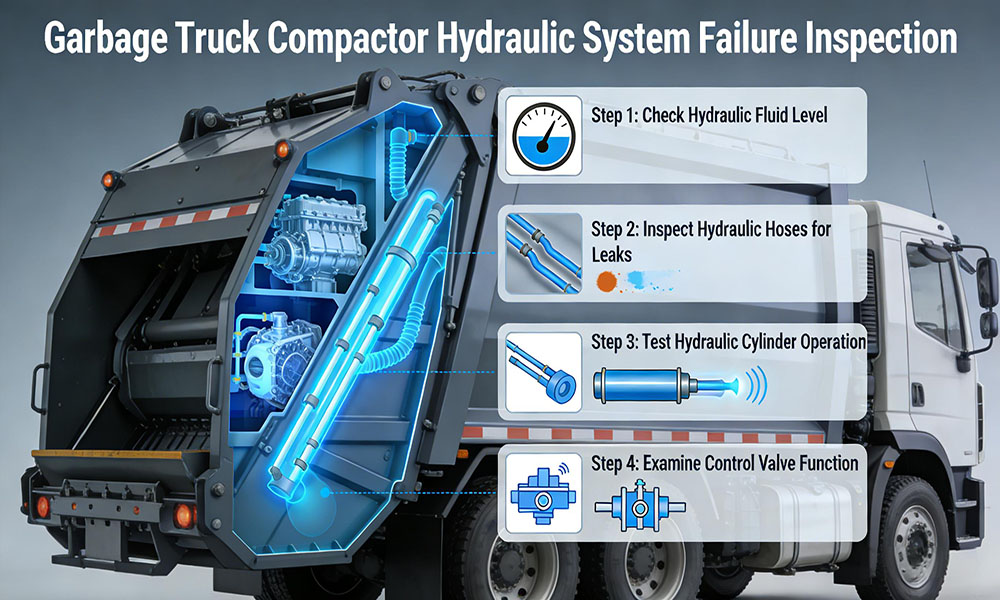
One of the most common issues with garbage truck compactors is hydraulic oil leakage. Hydraulic systems rely on pressurized fluid to operate effectively, and even a small leak can cause significant problems. When hydraulic oil leaks, it reduces pressure within the system, which leads to inconsistent operation and potential damage to other components.
Causes of Hydraulic Oil Leaks:
- Worn seals or hoses
- Loose fittings
- Improper maintenance or contamination
How to Prevent It:
- Inspect hydraulic hoses and seals regularly for signs of wear or cracks.
- Replace damaged components immediately.
- Ensure that oil levels are maintained and that only clean, contaminant-free oil is used.
2. Uneven or Inconsistent Compaction Cycles
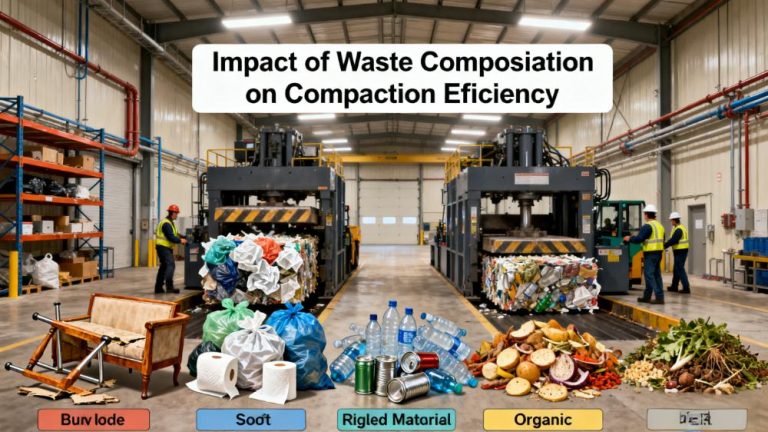
Inconsistent compaction cycles can reduce the efficiency of your garbage truck compactor and increase wear on mechanical parts. Uneven compaction often results in poorly packed waste, which in turn increases fuel consumption and reduces the truck’s payload efficiency.
Causes of Uneven Compaction:
- Improper loading of waste
- Faulty or worn compaction plates
- Hydraulic pressure fluctuations
How to Prevent It:
- Train operators to load waste evenly and ensure that bulky items are placed strategically in the compactor.
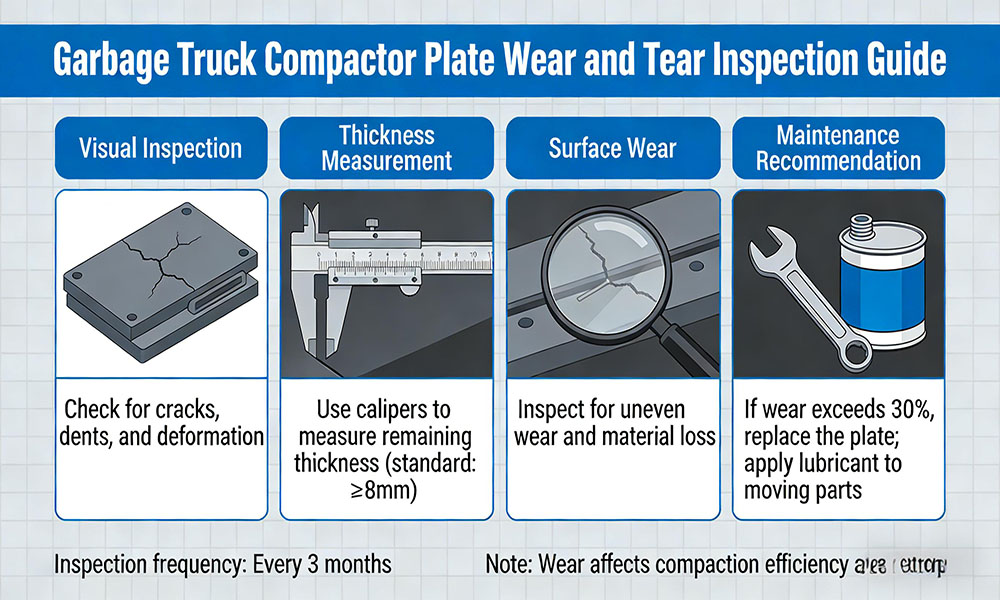
- Regularly inspect the compaction plate for cracks or wear and replace it when necessary.
- Monitor hydraulic pressure levels to ensure consistent force is applied during compaction cycles.
3. Tailgate Seal and Locking Issues
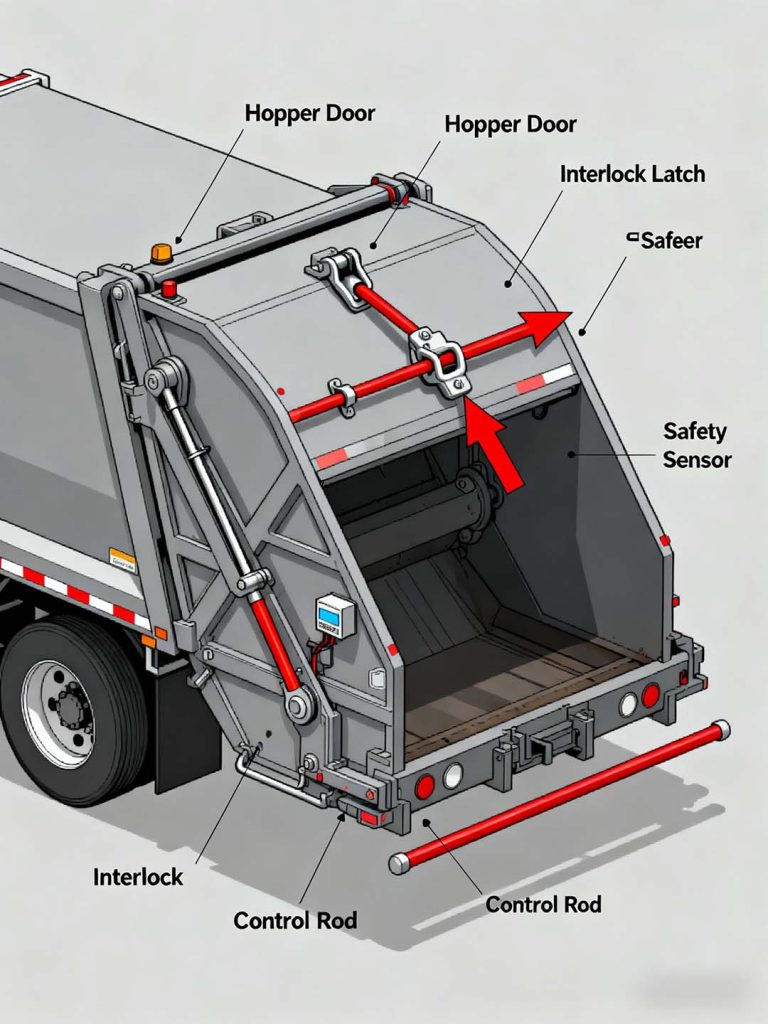
The tailgate is a critical component of a garbage truck compactor. It ensures that waste remains securely inside the compactor during transport. However, improper sealing or locking issues can lead to waste leakage and, in some cases, safety hazards.
Causes of Tailgate Issues:
- Worn or damaged seals
- Misaligned locking mechanisms
- Regular exposure to harsh waste materials
How to Prevent It:
- Regularly inspect tailgate seals and replace them when they show signs of wear.
- Check locking mechanisms to ensure they are working properly and adjust them if needed.
- Clean the tailgate seals after every operation to remove debris and prevent buildup.
4. Electrical System Failures
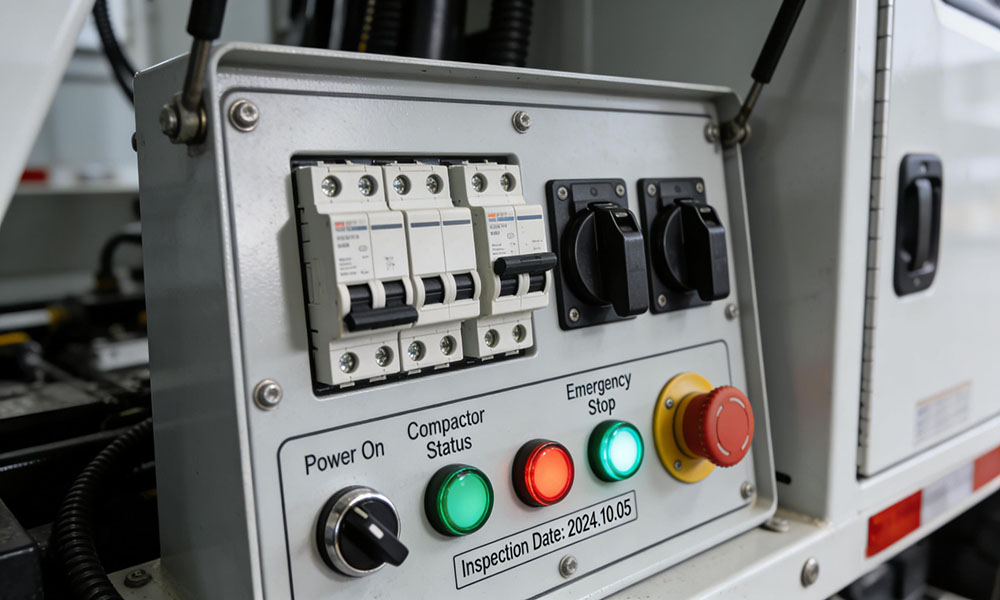
Garbage truck compactors rely heavily on electrical systems to control various functions, such as hydraulic pressure, compaction cycles, and safety mechanisms. Electrical failures can disrupt these functions and lead to operational downtime.
Causes of Electrical Failures:
- Moisture ingress
- Corroded or damaged wiring
- Faulty switches or control panels
How to Prevent It:
- Seal electrical components to prevent moisture from entering.
- Regularly inspect wiring and connectors for signs of corrosion or damage.
- Test control switches and replace them if they become unresponsive or malfunction.
5. Compaction Plate Deformation or Cracking
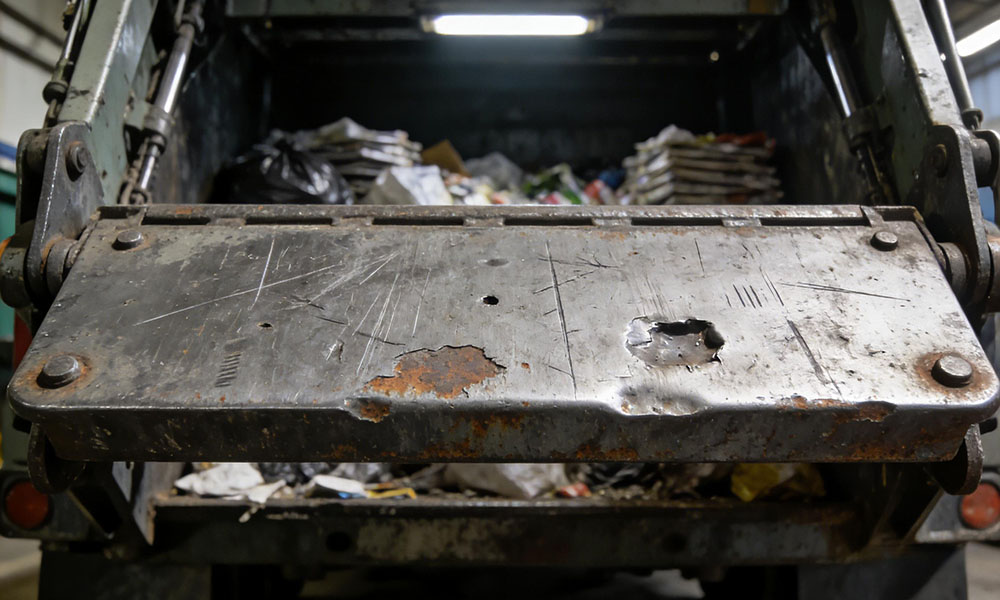
The compaction plate is the heart of the compaction system. It applies force to waste material to reduce its volume, and excessive force or poor maintenance can lead to plate deformation or cracking. This can drastically reduce the compactor’s performance.
Causes of Compaction Plate Issues:
- Overloading the compactor
- Excessive hydraulic pressure
- Poor waste distribution
How to Prevent It:
- Avoid overloading the compactor and ensure that waste is evenly distributed in the hopper.
- Monitor hydraulic pressure and avoid using the compactor at maximum pressure for extended periods.
- Inspect the compaction plate regularly for signs of deformation or damage, and replace it if necessary.
6. Maintenance and Operational Best Practices
Preventative maintenance is the key to keeping a garbage truck compactor running smoothly. A well-maintained compactor will experience fewer issues, perform more efficiently, and have a longer lifespan.
Best Practices to Prevent Failures:
- Follow the manufacturer’s maintenance schedule for oil changes, filter replacements, and component inspections.
- Train operators on proper loading techniques and how to recognize signs of trouble early.
- Regularly clean the compactor, including the hopper, hydraulic components, and compaction plates.
- Keep detailed service logs to track maintenance activities and identify recurring issues.
Proactive Maintenance Is the Key to Longevity
Regular maintenance and proper operational practices are essential for keeping garbage truck compactors in top working condition. By addressing common issues early and following best practices for maintenance, you can reduce downtime, improve compaction efficiency, and extend the life of your equipment. For fleet managers and operators, proactive care is an investment that pays off in the long run.