Garbage Truck Compactor Specifications Explained: Hydraulics, Steel, and Pressure
When comparing garbage truck compactors, specification sheets can look similar at first glance. However, real performance depends on how hydraulic systems, steel structure, and compaction pressure work together in daily operation.
This article breaks down the key technical specifications that truly matter, helping buyers understand what affects durability, efficiency, and long-term operating cost.
Why Specifications Matter More Than Brand Names
Many compactor failures are not caused by improper use but by mismatched specifications. A compactor designed for light residential waste may struggle under industrial conditions, even if the body volume looks sufficient.
Understanding technical parameters allows fleet managers to evaluate equipment objectively rather than relying on marketing descriptions alone.
Hydraulic System: The Core of Compactor Performance
Hydraulic Pump Type and Flow Rate
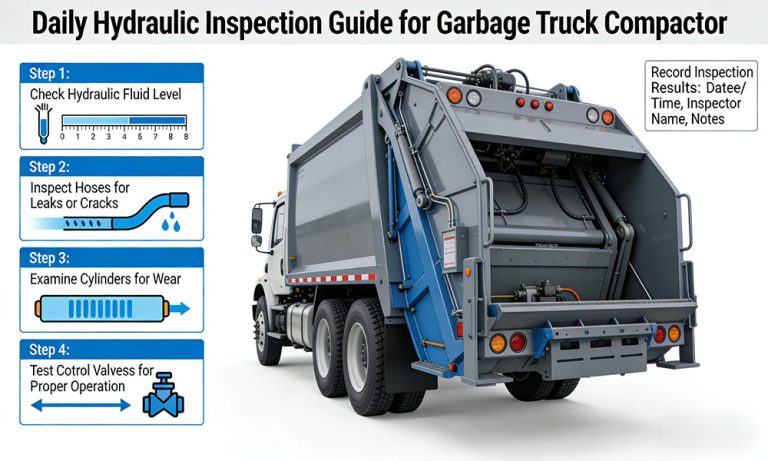
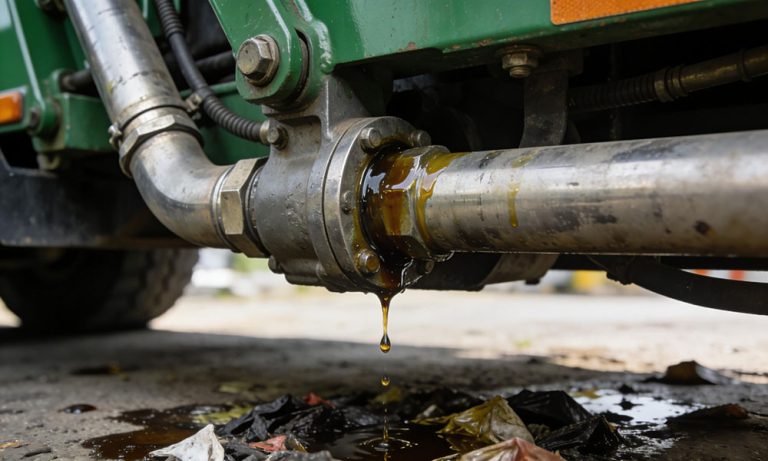
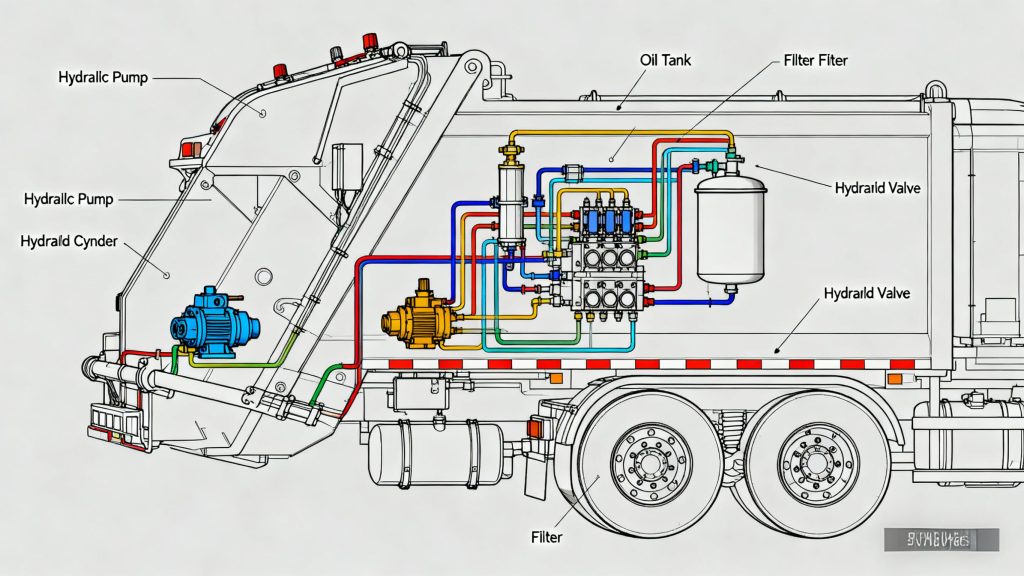
The hydraulic pump determines how smoothly and consistently the compactor operates. High-quality systems provide stable oil flow during compaction, reducing pressure spikes that can damage cylinders and seals.
For garbage truck compactors, pump selection should match both compaction force requirements and cycle frequency.
Hydraulic Cylinders and Stroke Design
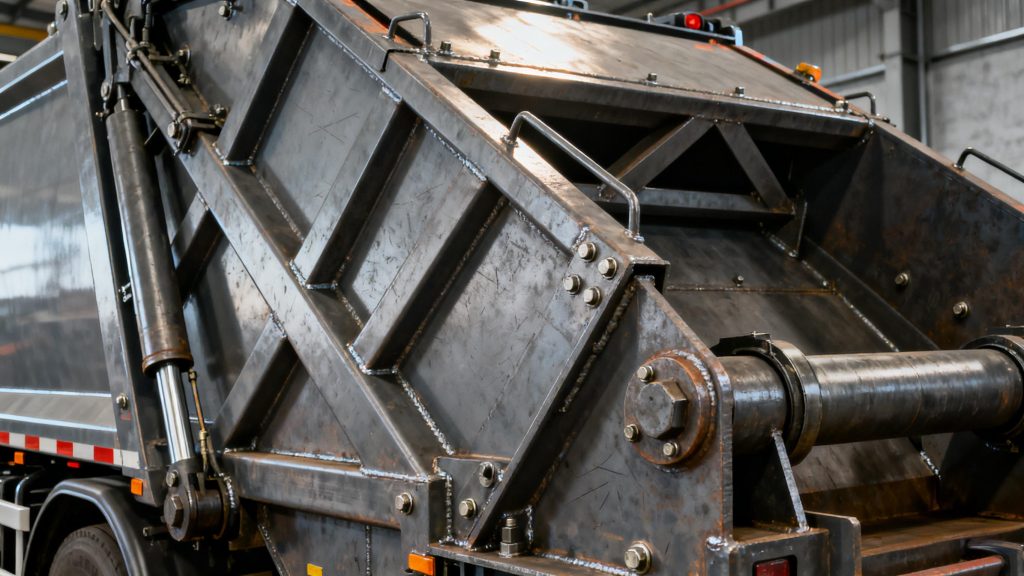
Cylinder diameter and stroke length directly affect compaction force and movement efficiency. Undersized cylinders may reduce compression efficiency, while oversized components increase system stress if not properly balanced.
Experienced manufacturers optimize cylinder sizing based on real waste resistance, not just theoretical force calculations.
Steel Structure: Strength Beyond Thickness
Steel Grade vs Steel Thickness
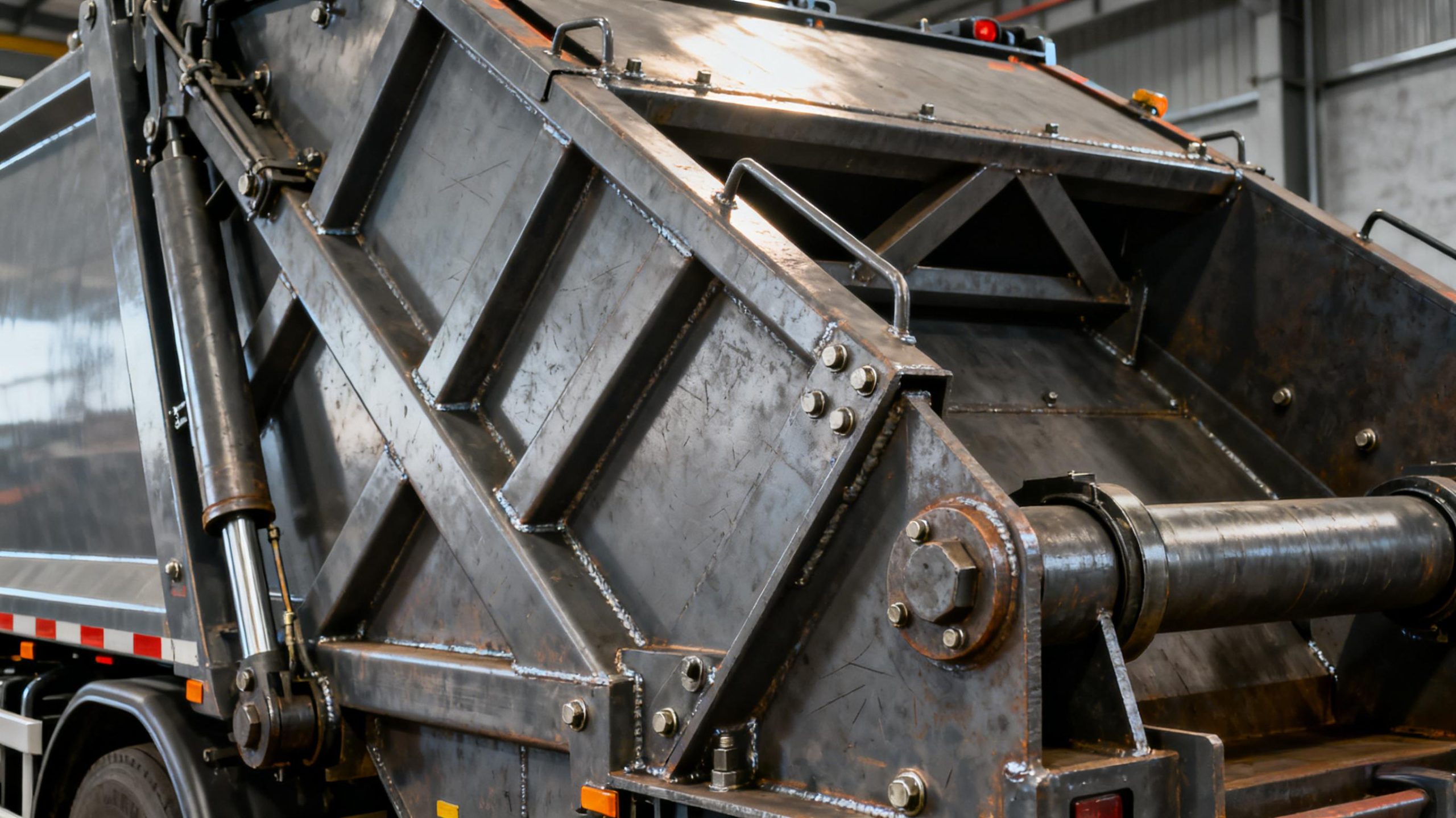
Buyers often focus on steel thickness, but material grade is equally important. High-strength steel can outperform thicker mild steel by resisting deformation and fatigue over time.
In compactor bodies, reinforced wear zones and stress-bearing areas are more critical than uniform thickness throughout.
Compaction Plate and Body Reinforcement
The compaction plate experiences the highest mechanical load during operation. Proper reinforcement prevents bending and uneven pressure distribution, which can lead to premature structural failure.
This is where design experience plays a decisive role.
Compaction Pressure: Finding the Right Balance
What Is Compaction Pressure?
Compaction pressure refers to the force applied by the compaction plate to compress waste. Higher pressure increases load density but also increases stress on hydraulic components and the body structure.
An effective compactor balances pressure with system longevity.
Why “Maximum Pressure” Is Not Always Better
Excessive pressure may improve short-term capacity but often accelerates wear. Controlled, consistent pressure produces better results over the truck’s service life.
Control Valves and Safety Design
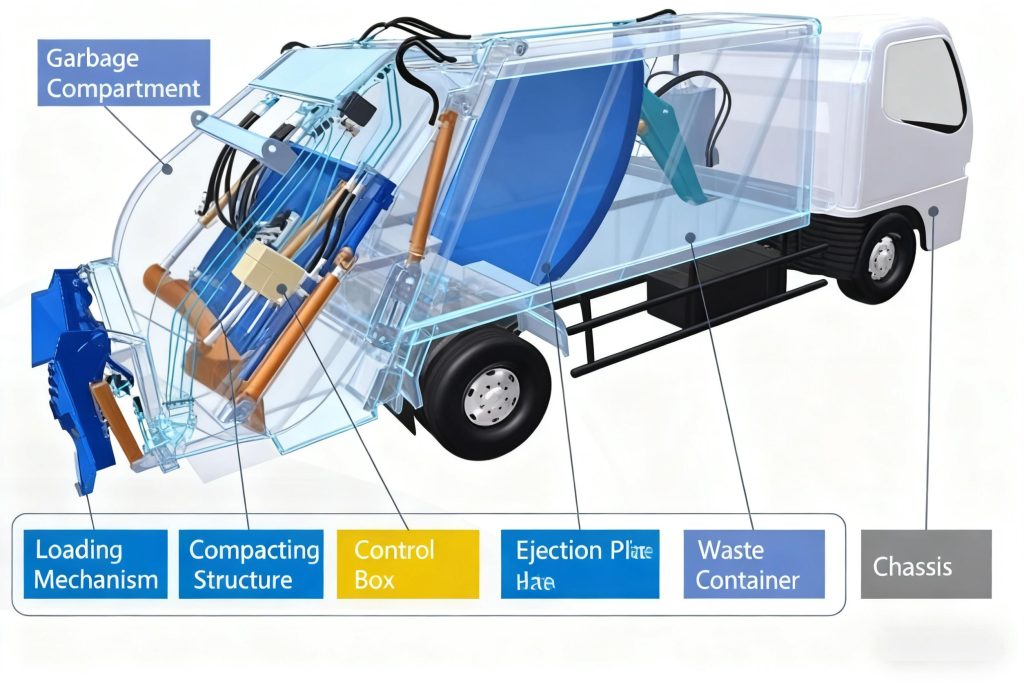
Modern garbage truck compactors use pressure-relief valves and flow-control systems to protect both operators and equipment. These components ensure smooth transitions between loading and compaction cycles.
Reliable control systems reduce operator fatigue and minimize unexpected downtime.
Matching Specifications to Operating Conditions
Different environments require different specification priorities:
- Urban routes favor smooth hydraulic response and fast cycle times
- Industrial waste requires reinforced steel and stable pressure control
- Export markets may need corrosion resistance and temperature-tolerant hydraulics
Manufacturers such as tops voertuigen, with experience supplying garbage truck compactors to diverse markets, typically customize specification combinations rather than offering generic configurations.
This approach helps ensure long-term reliability instead of short-term performance gains.
How to Compare Specification Sheets Correctly
When reviewing compactor specs, focus on system compatibility rather than isolated numbers. Hydraulic flow, cylinder force, steel structure, and chassis limits should form a balanced system.
Ignoring this balance often leads to higher maintenance costs and reduced service life.
Common Specification Misunderstandings
One common misunderstanding is assuming larger hydraulic pressure automatically means better compaction. Another is overlooking reinforcement design in favor of thicker steel plates.
Real-world performance depends on engineering integration, not individual parameters.
When to Request Customized Specifications
If your waste composition, route length, or climate differs from standard conditions, customized specifications may offer better value. Adjustments to hydraulic tuning or structural reinforcement can significantly improve operational stability.
This is particularly important for fleets planning long-term use or export operations.
Specifications Define Long-Term Value
Garbage truck compactor specifications determine more than capacity—they define efficiency, safety, and durability. Buyers who understand these details are better equipped to choose equipment that delivers consistent performance over time.
Evaluating hydraulics, steel structure, and compaction pressure as a system ensures smarter investment decisions.