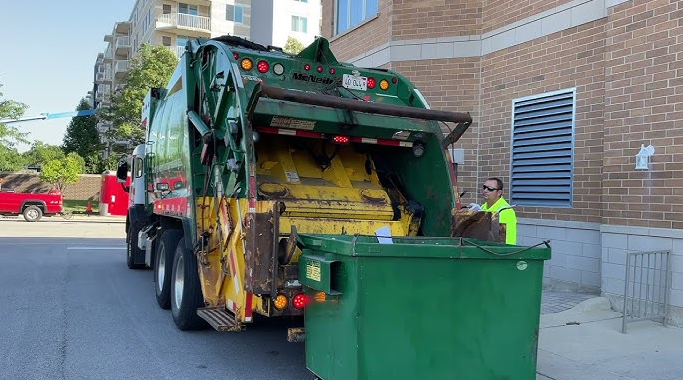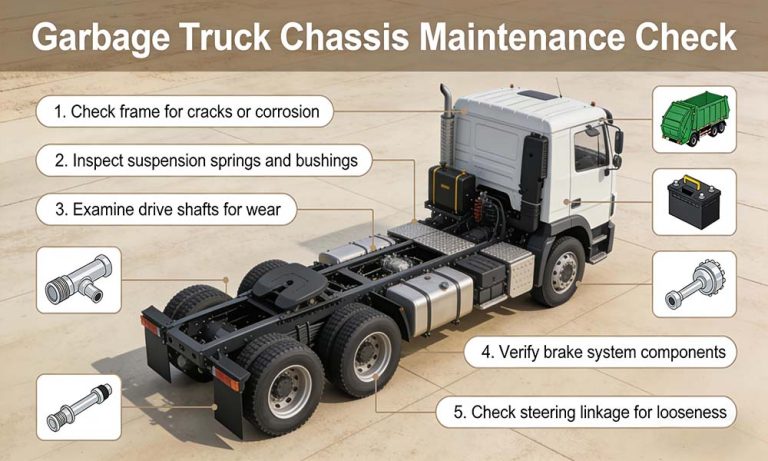
Garbage Truck for Sale: How to Choose the Right Supplier
Buying a garbage truck is not just about selecting a vehicle—it is about choosing a long-term solution for waste management operations. Whether you are a contractor, distributor, or government buyer, selecting the right supplier can directly affect your project success.
In many cases, buyers focus heavily on price while overlooking factors such as build quality, after-sales support, and spare parts availability. These elements often determine whether the truck will perform reliably over time or become a costly investment.
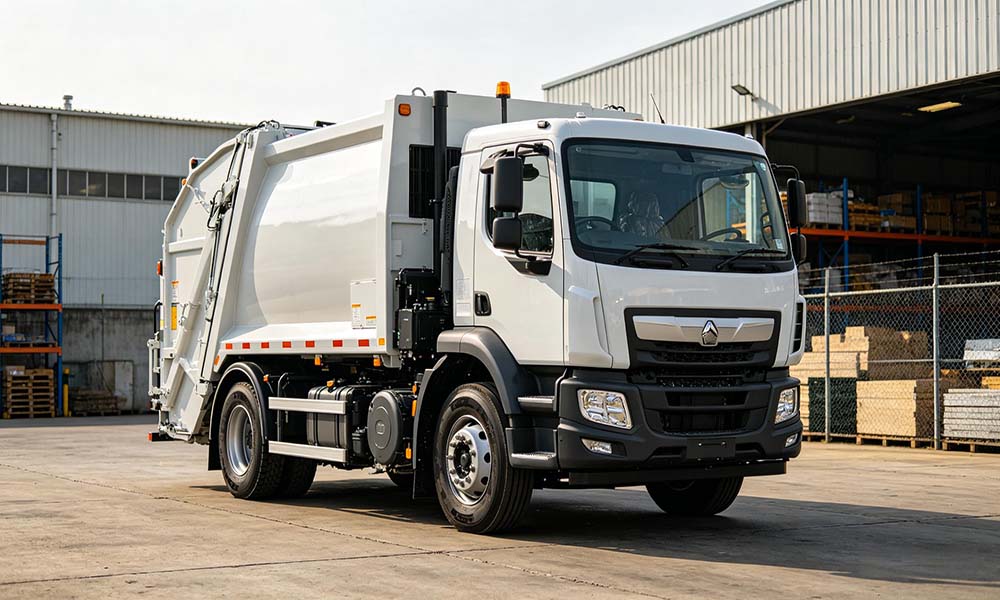
What Buyers Should Know Before Purchasing
Before contacting suppliers, it is important to clearly define your operational needs. This helps avoid unnecessary costs and ensures the truck matches your working environment.
Key questions to consider:
- What type of waste will be collected?
- What is the daily waste volume?
- What are the road conditions?
- What is the available budget?
Buyers who understand their requirements are more likely to select the right configuration and avoid overspending.
For those evaluating different truck types, reviewing options of waste collection truck models can help clarify which configuration fits specific applications.
Choosing the Right Garbage Truck Type
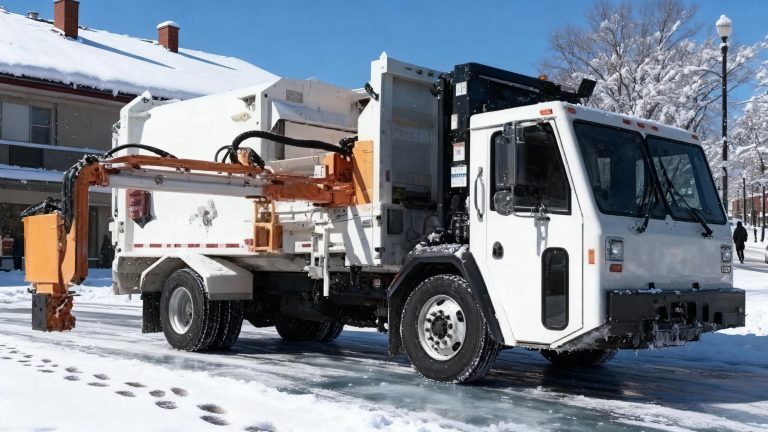
Different types of garbage trucks serve different purposes. Selecting the right type is essential for efficiency.
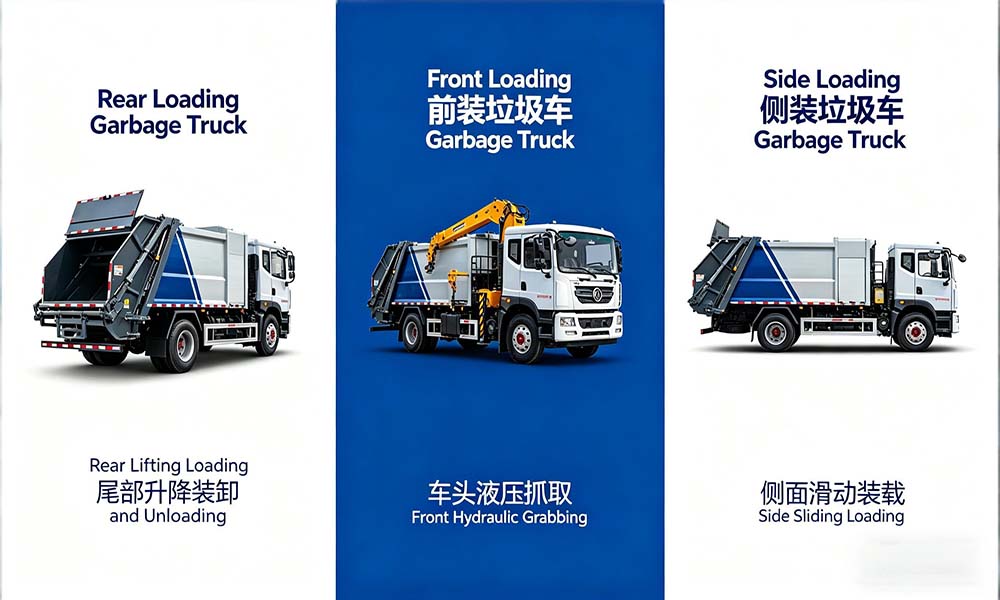
Rear Loader for Flexible Operations
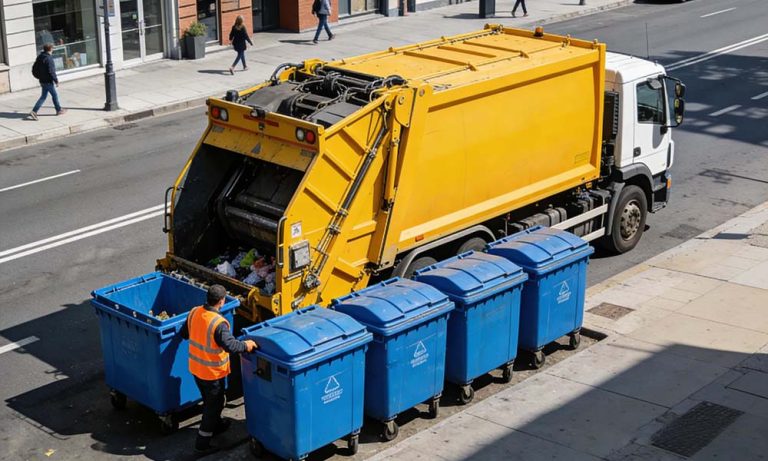
Rear loader trucks are widely used for residential waste collection. They are suitable for areas with narrow streets and mixed waste systems.
Front Loader for Commercial Use
Front loader trucks are ideal for businesses generating large volumes of waste. They offer high efficiency but require standardized containers.
Side Loader for Automation
Side loader trucks are designed for automated operations, reducing labor costs and improving efficiency in structured environments.
Understanding how each system works in practice is important. A detailed explanation of refuse compactor truck working principles can help buyers make informed decisions.
Evaluating Supplier Reliability
Choosing the right supplier is often more important than choosing the truck itself. A reliable supplier ensures consistent quality and long-term support.
Manufacturing Experience
Suppliers with years of experience typically have better production processes and quality control systems.
Export Experience
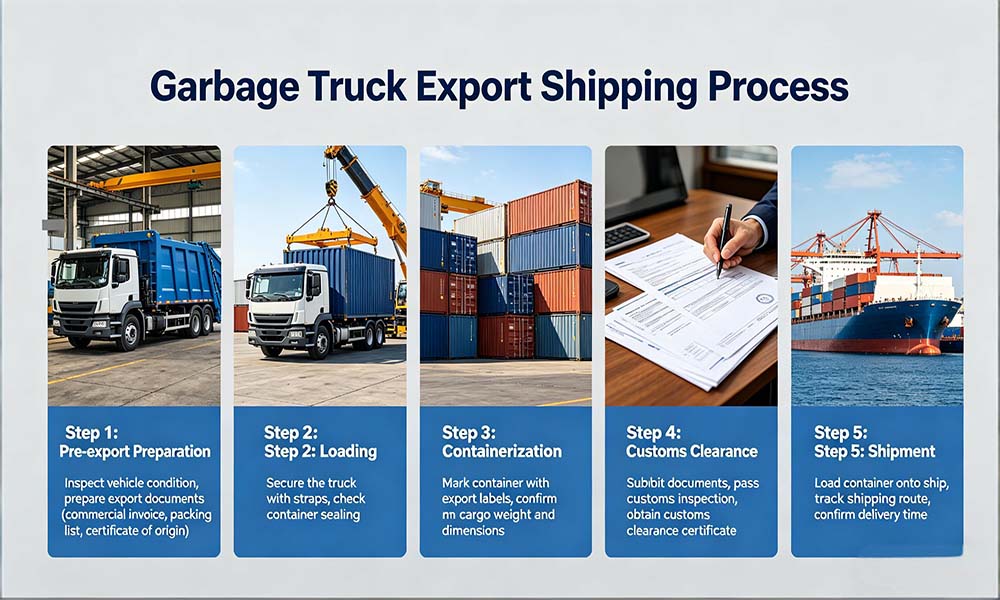
Exporting garbage trucks requires knowledge of international regulations, packaging, and logistics. Suppliers with export experience can help avoid delays and unexpected costs.
Factory Capability
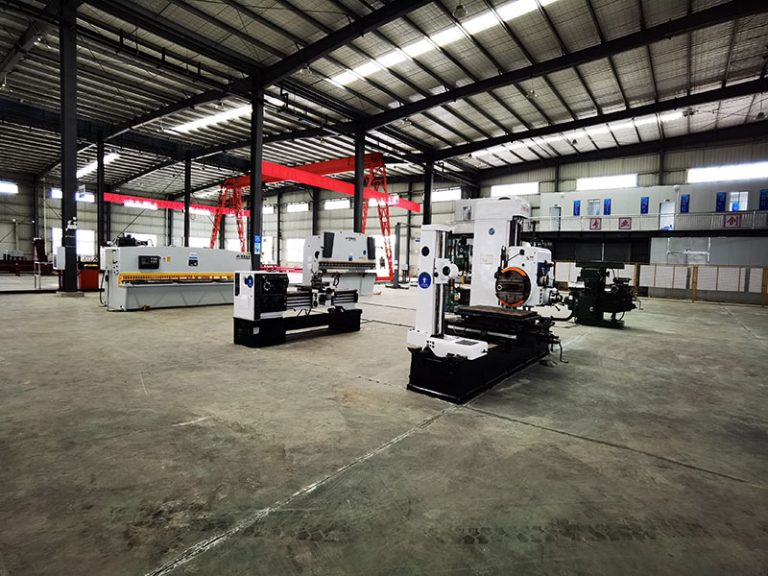
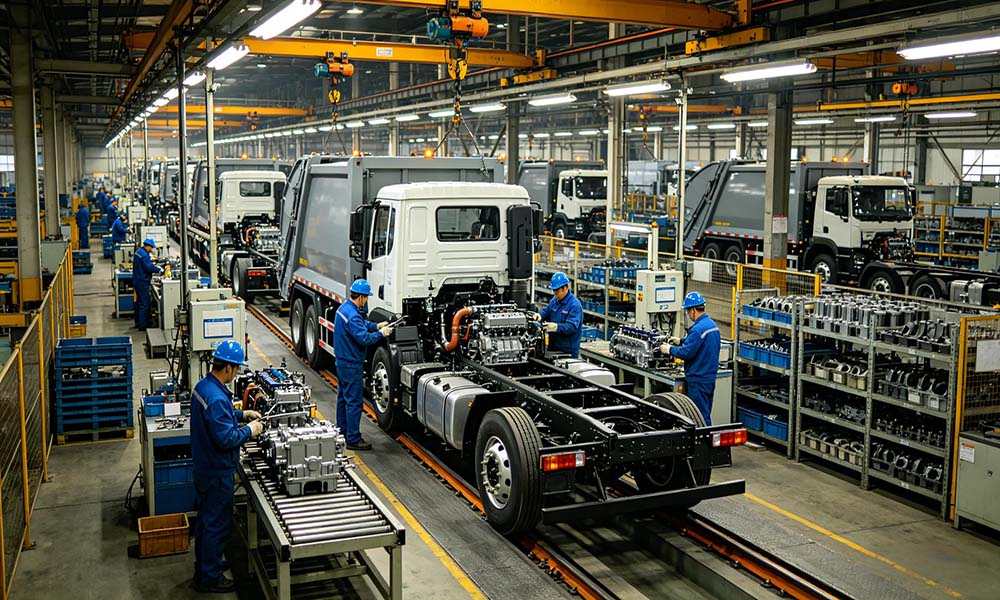
Buyers should verify whether the supplier has a real production facility. Factory visits or detailed production images can help confirm authenticity.
For example, reviewing a compactor truck manufacturer profile can provide insight into production capacity and technical expertise.
Key Specifications to Compare
When evaluating different offers, comparing technical specifications is essential.
Important factors include:
- Capacity (cubic meters)
- Verdichtingsratio
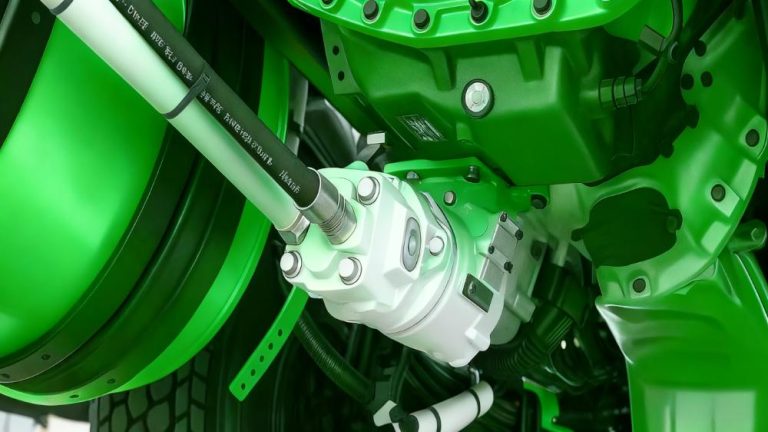
- Hydraulic system quality
- Chassis brand
- Fuel type
Instead of focusing only on price, buyers should compare specifications side by side. Using a refuse truck specification guide can help identify differences between models more clearly.
Pricing vs Value: What Really Matters
A lower price does not always mean better value. In many cases, cheaper trucks use lower-quality materials or components, leading to higher maintenance costs over time.
Key considerations:
- Durability of materials
- Availability of spare parts
- Maintenance requirements
- Fuel efficiency
Buyers who focus on total cost of ownership rather than initial price tend to achieve better long-term results.
To better understand cost structures, reviewing a detailed garbage truck cost breakdown can help clarify where the price differences come from.
Common Mistakes Buyers Should Avoid
Many first-time buyers make similar mistakes during the purchasing process.
Common issues include:
- Choosing based on price alone
- Ignoring after-sales support
- Not checking spare parts availability
- Overlooking delivery time
Avoiding these mistakes can significantly reduce risk and improve overall satisfaction with the purchase.
After-Sales Support and Spare Parts
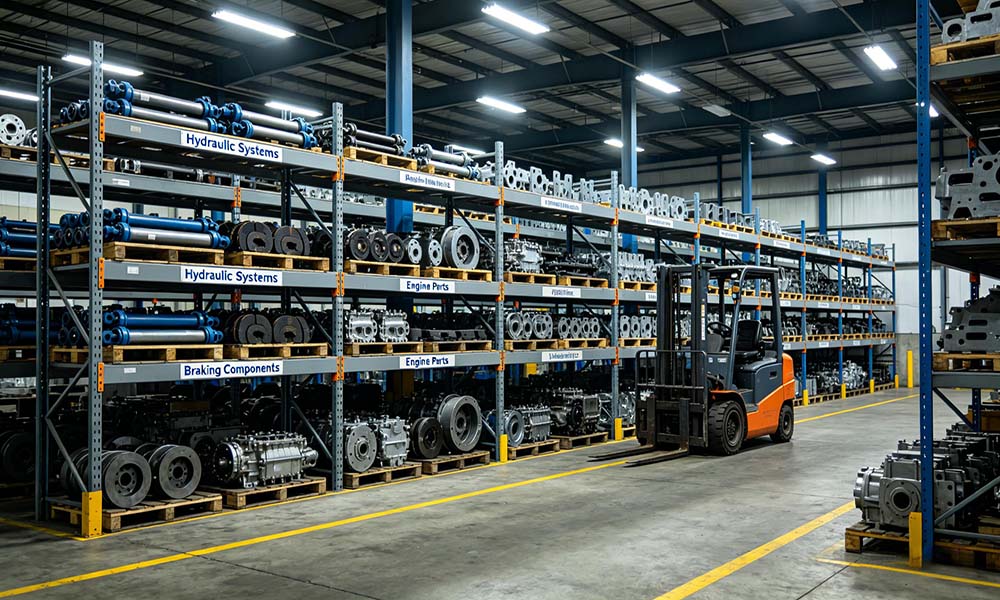
After-sales service is a critical factor in long-term operations. Without proper support, even a high-quality truck can become difficult to maintain.
Key points to confirm:
- Availability of spare parts
- Technical support
- Warranty terms
- Response time for service
Buyers working in remote regions should pay special attention to spare parts availability to avoid long downtime periods.
Making the Final Decision
Before finalizing a purchase, buyers should:
- Compare at least 2–3 suppliers
- Review technical specifications carefully
- Confirm delivery timelines
- Request real project references
A well-informed decision ensures that the selected garbage truck meets operational requirements and delivers long-term value.