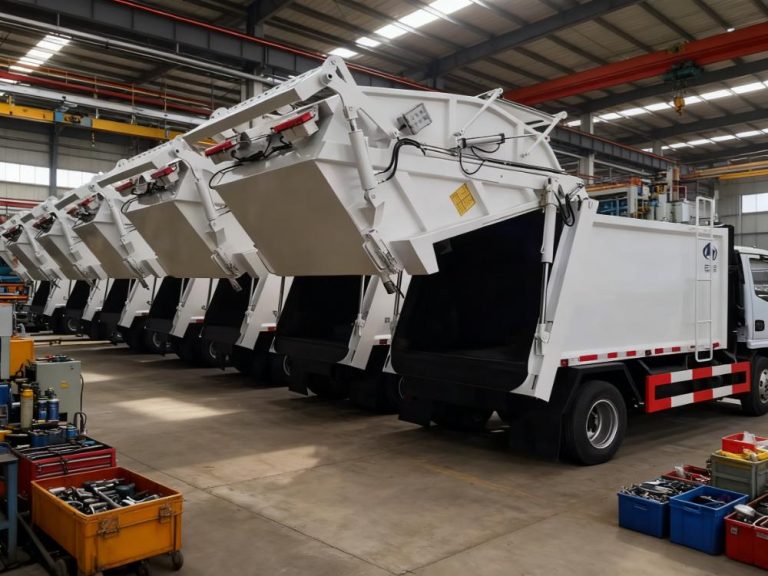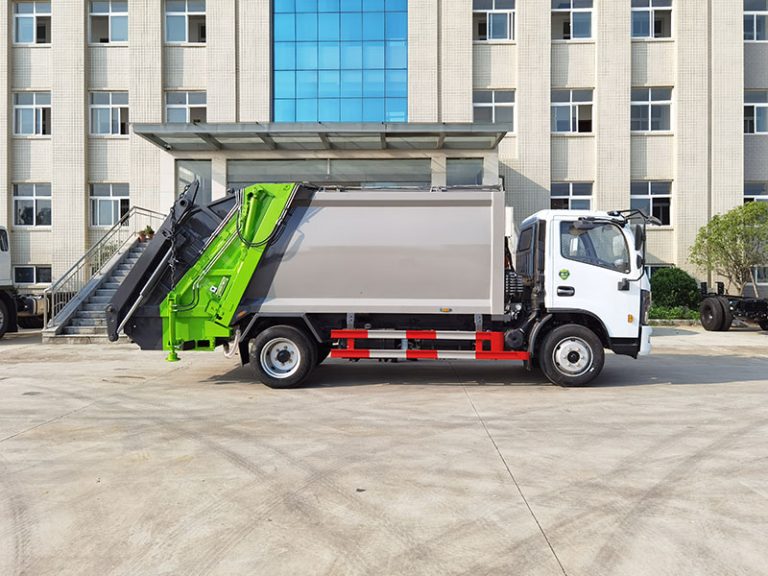
Rear Loader Garbage Truck Compactors for Developing Markets
Municipal waste management systems in developing markets face unique challenges. Rapid urbanization, inconsistent infrastructure, and limited maintenance resources make it difficult to operate highly complex waste collection equipment.
For many cities across Africa, Southeast Asia, the Middle East, and parts of Latin America, rear loader garbage truck compactors have proven to be one of the most reliable and practical solutions.To fully understand their advantages, it helps to first explore how a garbage truck compactor works and how hydraulic compression systems improve collection efficiency.
Compared with highly automated collection vehicles, rear loader systems offer strong compaction performance, simpler mechanical structures, and easier maintenance. These advantages make them especially suitable for regions where waste collection routes vary and technical support may be limited.
Understanding why rear loader compactors work so well in these environments can help municipalities and contractors make smarter equipment investments.
Common Waste Collection Challenges in Developing Markets
Waste management systems in developing regions often operate under conditions that differ significantly from those in highly industrialized countries.
Typical operational challenges include:
- Mixed waste streams without sorting
- Irregular collection schedules
- Narrow or poorly maintained roads
- Limited access to spare parts and technicians
- Budget constraints for fleet procurement
Because of these factors, waste collection vehicles must prioritize durability, flexibility, and mechanical simplicity.
Rear loader garbage truck compactors meet these requirements better than many other designs.

Mechanical Simplicity Improves Reliability
One of the primary advantages of rear loader compactors is their relatively simple mechanical design.
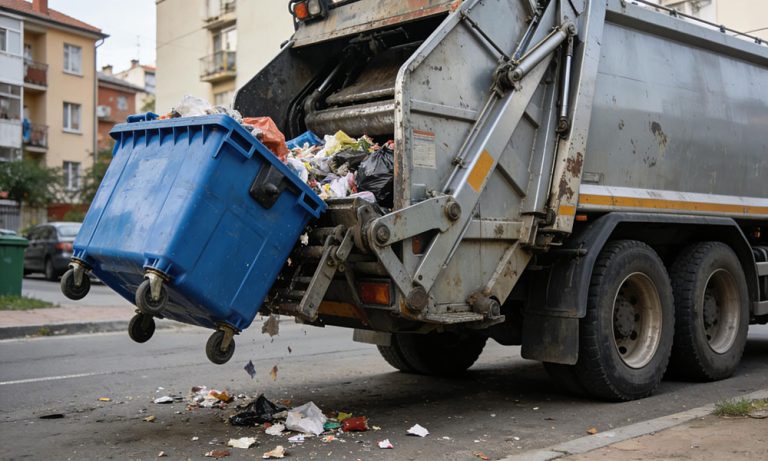
Unlike side loader trucks that depend heavily on automated lifting arms and electronic control systems, rear loaders rely on hydraulic packer plates and manual loading.
This simplicity provides several operational benefits:
- Fewer electronic components that may fail
- Easier mechanical troubleshooting
- Lower repair costs
- Reduced downtime
In regions where technical training and spare parts availability may be limited, a simpler mechanical system significantly improves fleet reliability.
For municipal fleets seeking dependable equipment, the rear loader garbage truck remains one of the most widely adopted waste collection vehicles worldwide.
Better Adaptability for Mixed Waste Streams
In many developing markets, waste is rarely pre-sorted before collection. Trucks often handle a combination of food waste, packaging materials, construction debris, and organic waste.
Rear loader compactors are well suited for this environment because their loading system can easily accept:
- Bagged household waste
- Loose materials
- Bulky items
- Small construction debris
This adaptability allows waste collection crews to operate efficiently even when waste streams are inconsistent.

Lower Initial Investment Costs
Budget constraints are a significant factor for many municipalities in developing countries. Rear loader compactors typically cost less than fully automated side loader trucks due to their simpler structure and fewer advanced components.
Compared with automated systems such as side loader garbage trucks, rear loaders usually require a lower upfront investment while offering greater operational flexibility.
Lower purchase costs allow cities to:
- Expand their waste collection fleets
- Replace aging vehicles more frequently
- Improve overall waste coverage
When combined with their lower maintenance requirements, rear loader compactors often provide a better long-term return on investment.
Maintenance Advantages for Export Markets
Maintenance capability is often a deciding factor when choosing waste collection equipment.
Rear loader compactors are easier to maintain because:
- Hydraulic systems are more accessible
- Components are widely standardized
- Repairs can often be performed locally
These advantages are especially important in export markets where importing specialized spare parts may take time.
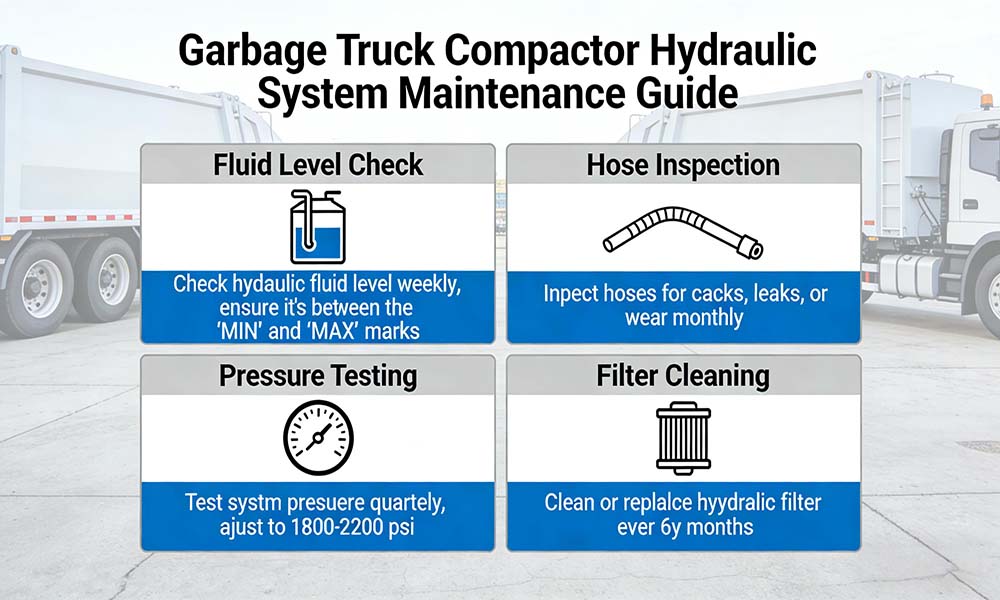
Regular inspection and proper servicing, as explained in our garbage truck compactor maintenance guide, can significantly extend the lifespan of these vehicles.
Why Many Export Buyers Choose Rear Loader Compactors
For many international buyers, selecting the right waste collection vehicle involves balancing performance, cost, and serviceability.
Rear loader garbage truck compactors often emerge as the preferred choice because they offer:
- Strong compaction force
- Flexible loading capability
- Easier maintenance
- Competitive pricing
Manufacturers experienced in export markets, such as Tops Vehicles, typically design rear loader models with reinforced body structures and service-friendly hydraulic systems to meet these operational requirements.
To learn more about compaction systems, structures, and performance factors, explore our complete garbage truck compactor guide.
Rear loader garbage truck compactors continue to play a vital role in waste management systems across developing markets. Their durability, mechanical simplicity, and operational flexibility make them well suited for regions where waste streams are mixed and infrastructure may still be evolving.
For municipalities and contractors seeking reliable and cost-effective waste collection solutions, rear loader compactors remain one of the most practical and widely adopted options available today.