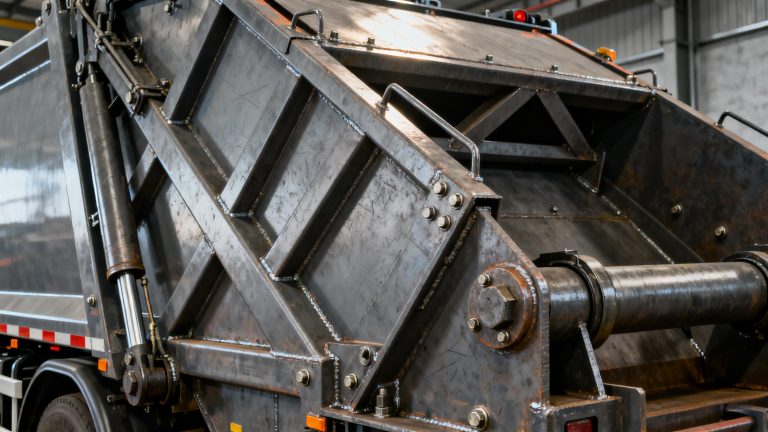
Rear Loader vs Side Loader Garbage Truck: Which Is Right for Your Fleet?
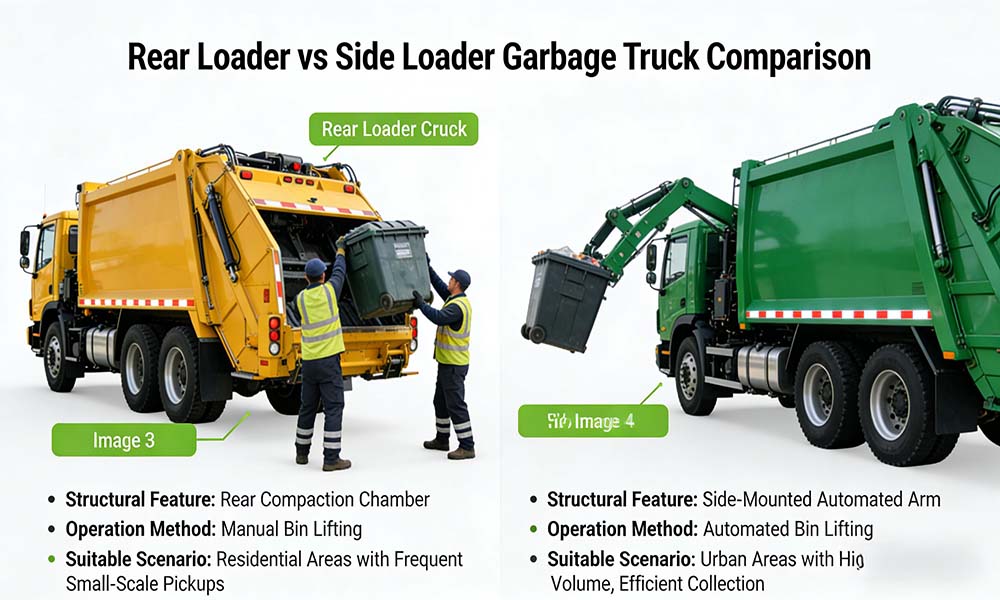
Choosing the right garbage truck type is a crucial decision for fleet managers and waste collection companies. Rear loaders and side loaders each offer distinct advantages depending on the type of waste, route structure, and operational goals.
This article compares the two most popular types of garbage trucks, helping you determine which one will optimize your fleet’s efficiency, cost-effectiveness, and safety.
Rear Loader Garbage Trucks: Flexibility and Versatility
Benefits of Rear Loaders
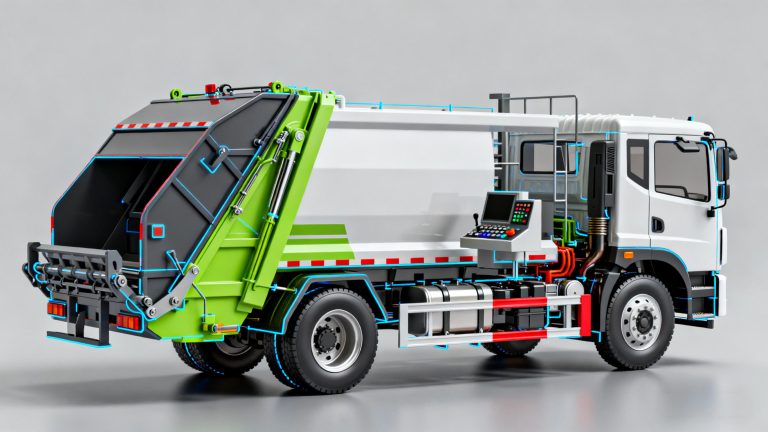
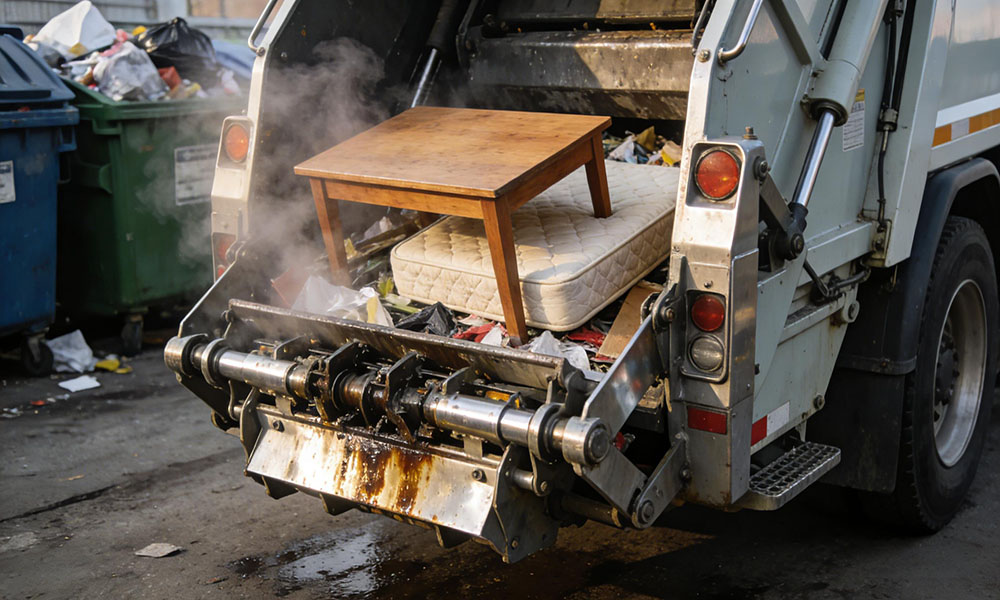
Rear loader garbage trucks are known for their flexibility and adaptability. They can handle a wide variety of waste types, including bagged trash, bulky items, and irregularly shaped materials.
Because they are loaded from the back, rear loaders are ideal for areas with narrow streets or irregular waste placement.
Limitations of Rear Loaders
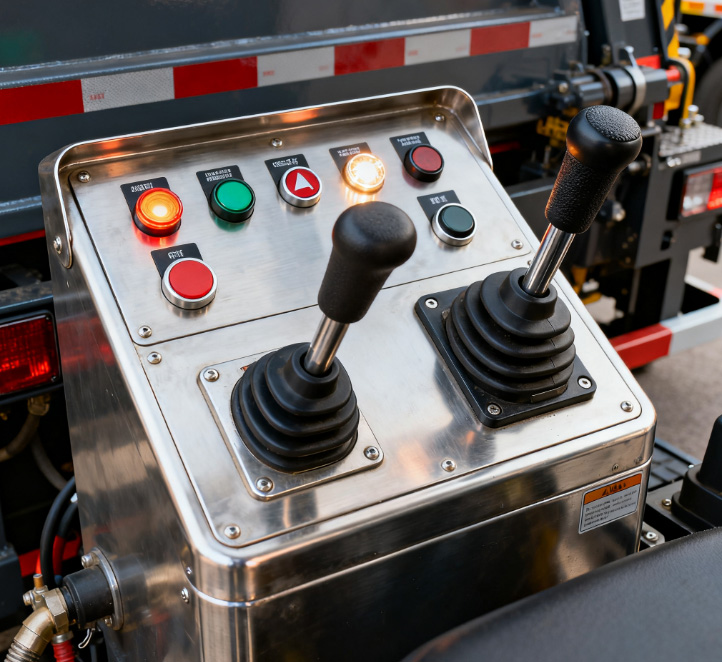
While rear loaders offer excellent flexibility, they do require more manual labor. The operator must be close to the moving compaction plate, making safety a significant concern. Additionally, rear loaders may have slower loading times compared to automated side loaders.
Best Applications for Rear Loaders
Rear loader trucks are often used for residential waste collection, commercial routes with mixed waste, and areas where automated systems are not practical. Their ability to handle bulky waste and unpredictable loading conditions makes them ideal for diverse environments.
Side Loader Garbage Trucks: Speed and Automation
Benefits of Side Loaders
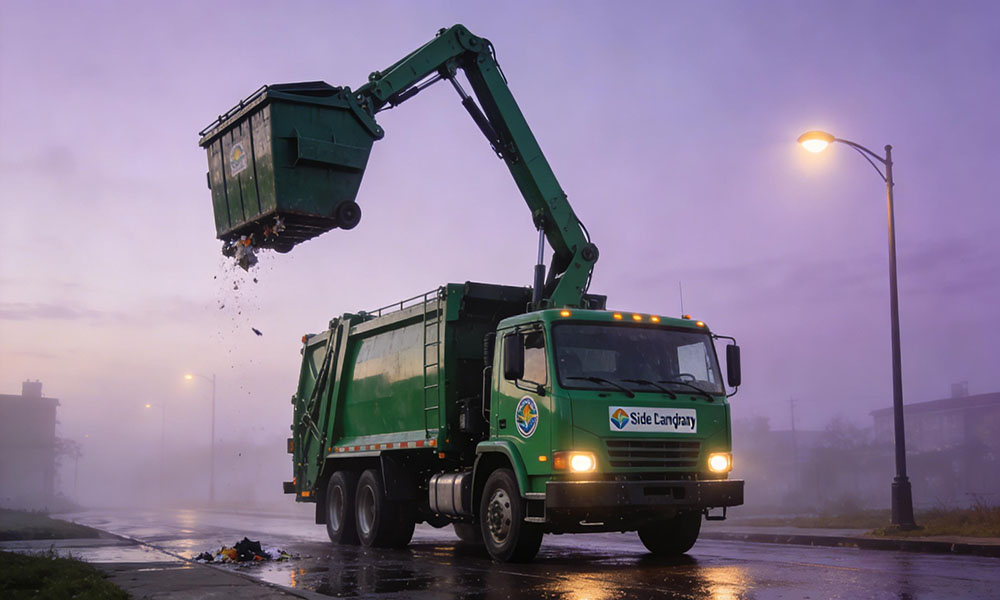
Side loader garbage trucks are designed for efficiency and automation. They use hydraulic arms to pick up and empty standardized waste bins from the side of the truck. This reduces the need for manual labor and minimizes the risk of operator injury.
Side loaders are also faster on routes with uniform waste placement and are ideal for residential or commercial areas where bins are consistently placed at the curb.
Limitations of Side Loaders
Side loaders are not as flexible as rear loaders when dealing with bulky or irregular waste. They also require more space on the roadside for the automated arms to operate, which may not be feasible in densely packed or congested urban areas.
Best Applications for Side Loaders
Side loaders are most effective in residential neighborhoods with standardized waste bins, as well as in areas where labor costs need to be minimized. Their automation makes them well-suited for high-density areas with predictable waste collection patterns.
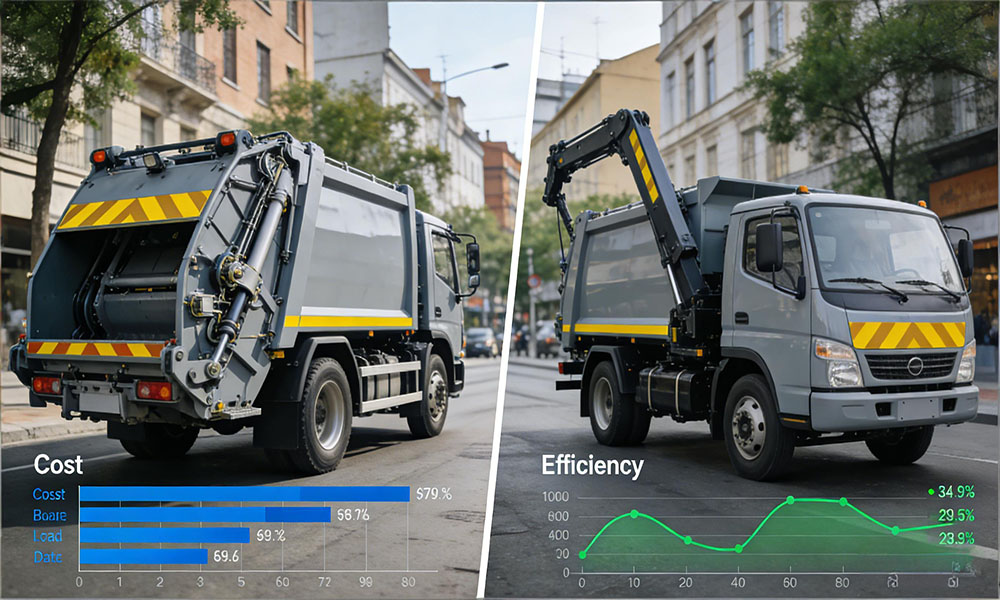
Key Differences: Rear Loaders vs Side Loaders
Loading Method
- Rear Loaders: Manual or assisted loading from the back, allowing for more flexible waste collection but requiring more labor.
- Side Loaders: Automated bin lifting from the side, reducing labor and increasing route speed.
Efficiency
- Rear Loaders: Can handle mixed waste, bulky items, and irregularly sized materials. Slower on standardized routes but more adaptable.
- Side Loaders: Faster on standardized routes, especially when waste is uniformly placed in bins. Less flexible with irregular waste.
Cost and Maintenance
- Rear Loaders: Typically less expensive upfront and easier to maintain. However, they require more human labor and potentially more downtime.
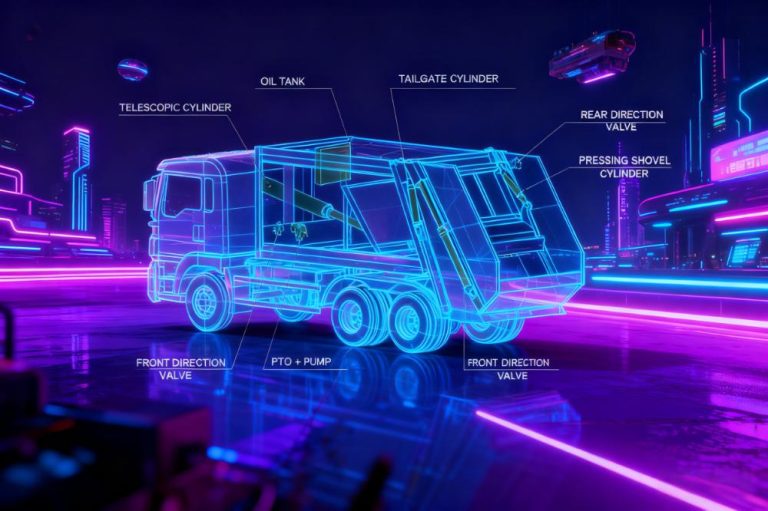
- Side Loaders: Generally have a higher initial cost due to automation, but they reduce labor costs over time. Maintenance may be more expensive due to the complexity of the hydraulic systems.
Which Garbage Truck is Right for Your Fleet?
Choosing between a rear loader and side loader depends largely on your specific operational needs:
- Rear Loaders are better for routes with varied waste, irregular placement, and limited space for automated systems.
- Side Loaders are ideal for high-density areas with consistent bin placement, where labor reduction and speed are critical.
Why Choose Tops Vehicles for Your Garbage Truck Needs?
At tops vehicles, we provide high-quality garbage truck compactors that are engineered for reliability, efficiency, and safety. Whether you choose a rear loader or side loader, our compactors are built to meet the demands of your fleet, ensuring long-term performance and minimal downtime.
Make the Right Choice for Your Collection Needs
Selecting the right garbage truck for your fleet is about balancing efficiency, cost, and safety. By understanding the key differences between rear loader and side loader garbage trucks, you can make an informed decision that maximizes operational efficiency and reduces long-term costs.