Основы давления и производительности компакторов для мусоровозов | Tops Vehicle
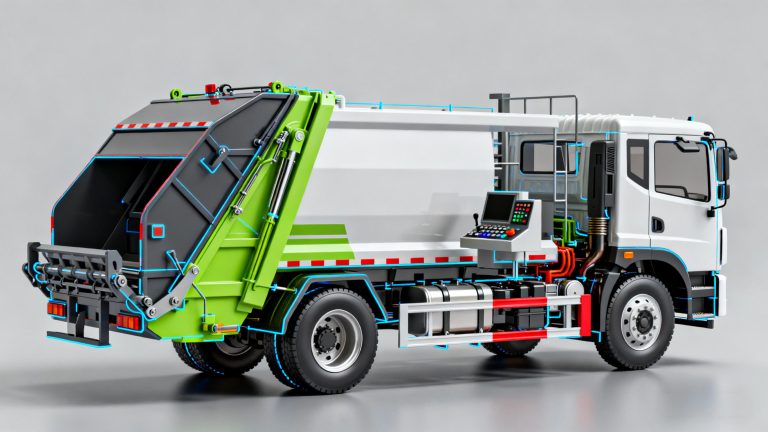
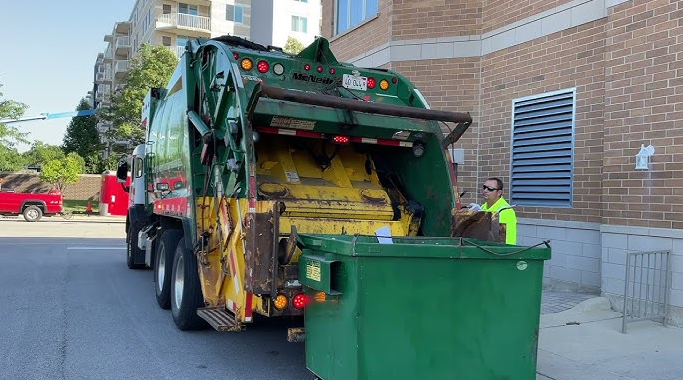
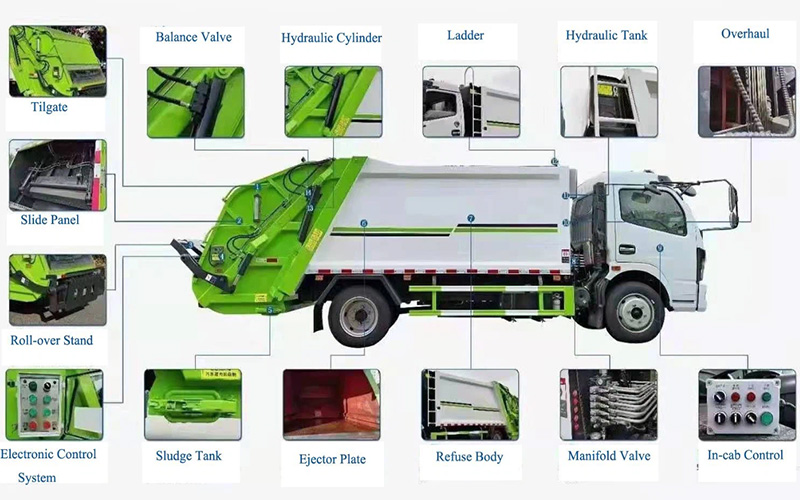
The performance of a уплотнитель для мусоровозов depends largely on its hydraulic pressure, structural strength, and compaction design. These factors determine how effectively the truck can compress mixed waste, how stable the system operates, and how long the equipment lasts under demanding daily collection cycles. Tops Vehicle summarizes the core elements that influence compaction power and real-world performance.
Understanding Compactor Pressure
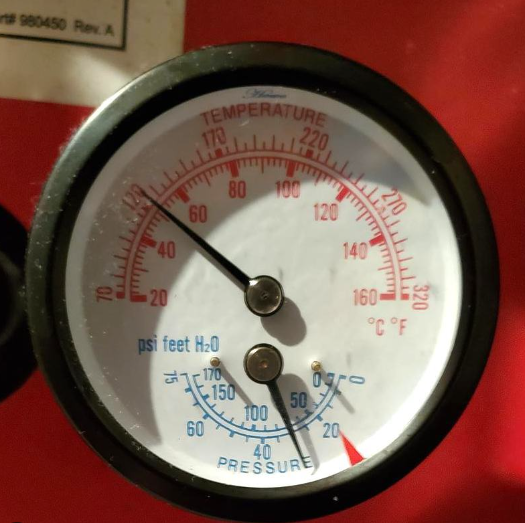
Compaction pressure refers to the hydraulic force that pushes the compaction plate forward. Most rear loader compactors operate between 16–20 MPa, while heavy-duty models may exceed this range for handling bulky waste. Stable pressure ensures consistent compression, prevents “dead zones” inside the hopper, and improves the overall loading capacity per trip.
How Hydraulic Force Influences Performance
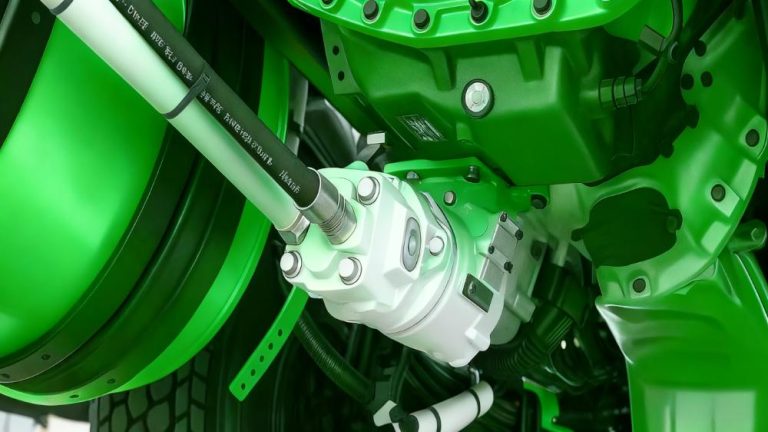
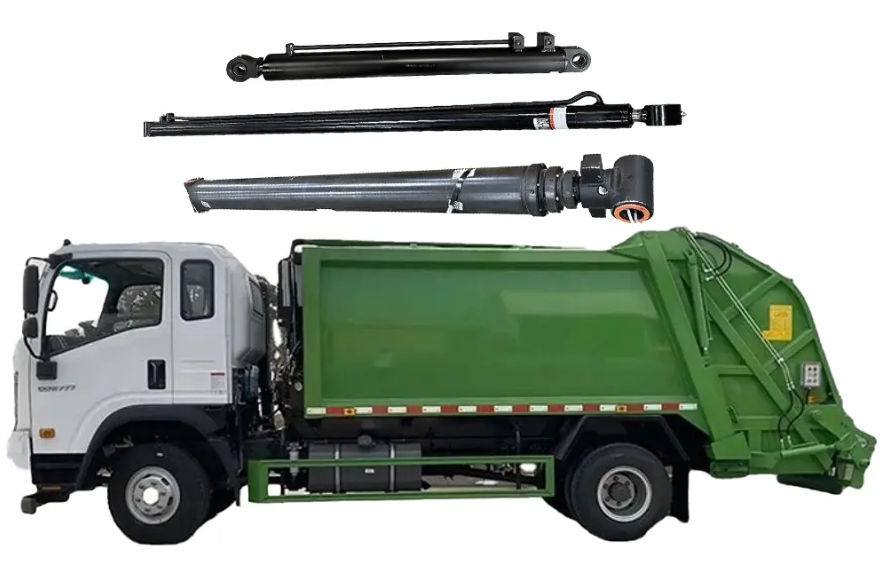
Hydraulic cylinders convert pressure into mechanical movement. The size, seal quality, and stroke length of the cylinders directly affect compaction force. Well-designed systems allow the compaction panel to move smoothly along the slide rails, reducing friction and preventing uneven wear.
Key Factors Affecting Hydraulic Performance
- Cylinder diameter and reinforcement
- Oil flow rate and pump capacity
- Pressure-relief valve accuracy
- Oil cooling performance in hot climates
Compaction Efficiency and Waste Types
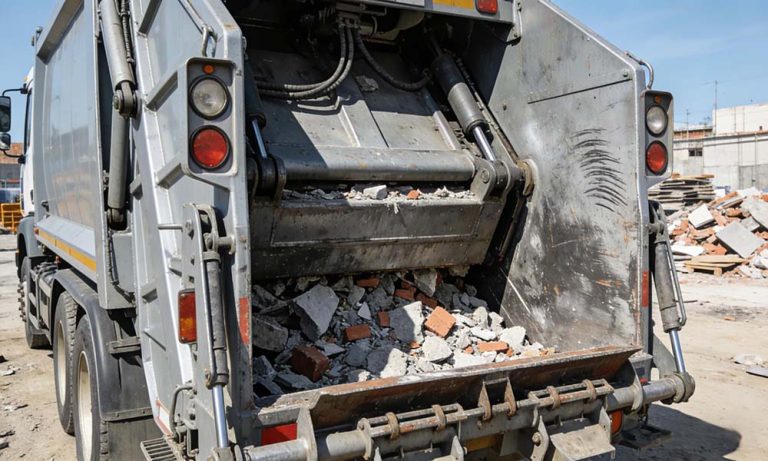
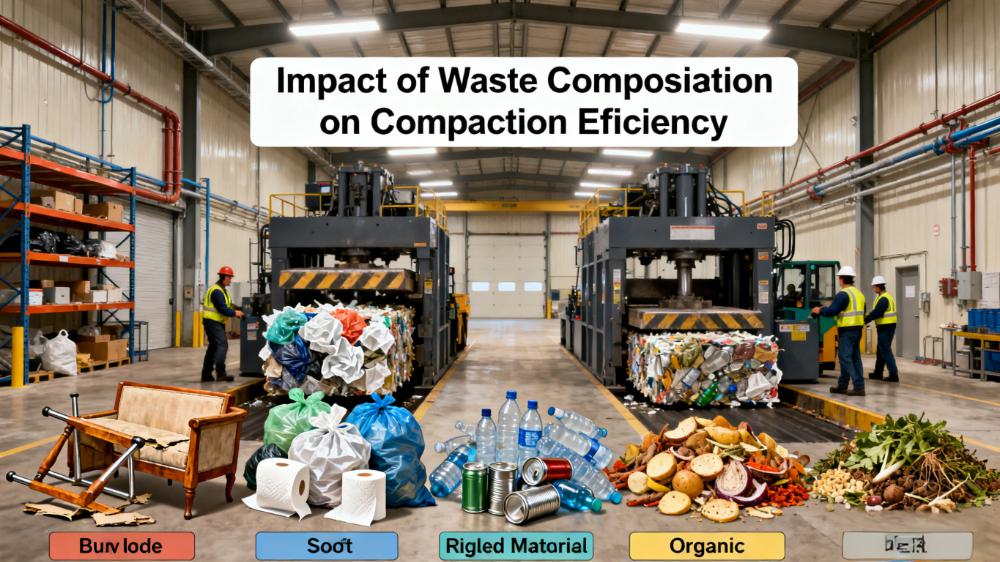
Different waste categories respond differently to pressure. Household waste compacts easily under moderate force, while construction debris requires higher pressure and a stronger compaction plate. Автомобиль с верхом adjusts compaction force based on export regions where waste density varies significantly.
Examples of Required Compaction Strength
- Municipal waste: Moderate pressure, stable cycles
- Organic waste: Higher pressure due to moisture content
- Mixed debris: Reinforced compaction plate and higher MPa range
Rear Loader Compaction Performance
Rear loader garbage truck compactors are popular because of their consistent pressure output and reliable sliding-plate mechanics. Their performance is influenced by:
- Hopper depth and internal angle
- Reinforcement around stress points
- Tailgate sealing under full pressure
- Hydraulic distribution during repeated cycles
These trucks maintain stable compression even when heavily loaded, making them suitable for long transport routes.
How to Maintain Stable Compaction Pressure
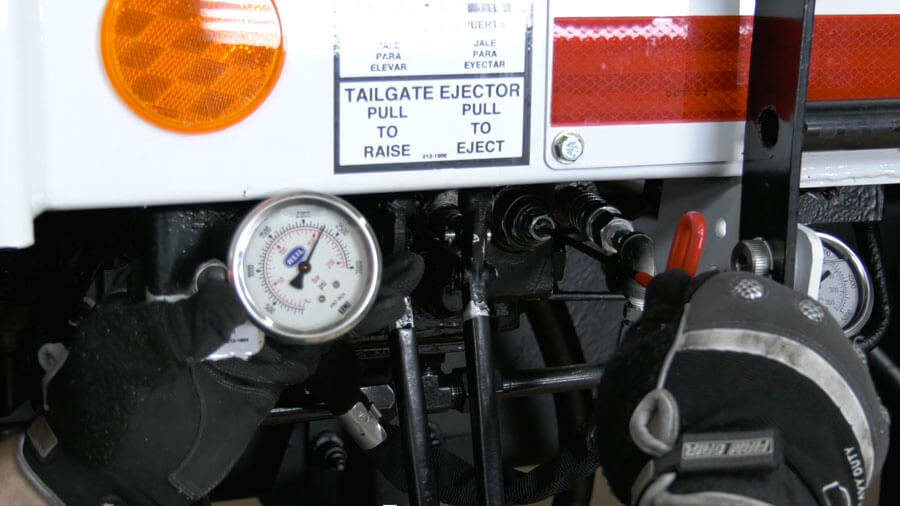
Maintaining compaction performance requires regular inspection and proper hydraulic care. Key steps include:
- Checking oil quality every 300–500 hours
- Watching for abnormal noise and slow cylinder movement
- Ensuring filters are clear
- Inspecting pressure-relief valves
- Monitoring seals for leakage
Tops Vehicle provides region-specific hydraulic recommendations for Africa, Southeast Asia, Europe, and Middle East markets to ensure consistent performance in varied climates.
Why Pressure and Performance Matter for Buyers
Stable compaction pressure reduces trips to disposal sites, lowers fuel cost, and increases daily efficiency. For buyers choosing between models, understanding pressure and force helps determine which compactor suits their local waste system and operational scale. Tops Vehicle offers customizable pressure settings and reinforced structures for different international requirements.