Rotanız için Doğru Çöp Kamyonu Kompaktör Kapasitesi Nasıl Seçilir?
Doğru çöp kamyonu sıkıştırıcı kapasitesinin seçilmesi, atık toplama operasyonları için en önemli kararlardan biridir. Küçük boyutlu bir sıkıştırıcı sık boşaltmaya ve daha yüksek yakıt maliyetlerine yol açarken, büyük boyutlu bir ünite araç ağırlığını, satın alma maliyetini ve bakım karmaşıklığını artırır.
Bu kılavuz, kompaktör kapasitesinin gerçek çalışma koşullarına göre nasıl değerlendirileceğini açıklayarak filo yöneticilerinin ve alıcıların ekipman satın almadan veya yükseltmeden önce bilinçli kararlar vermesine yardımcı olur.
“Kompaktör Kapasitesi ”nin Gerçekte Ne Anlama Geldiğini Anlamak
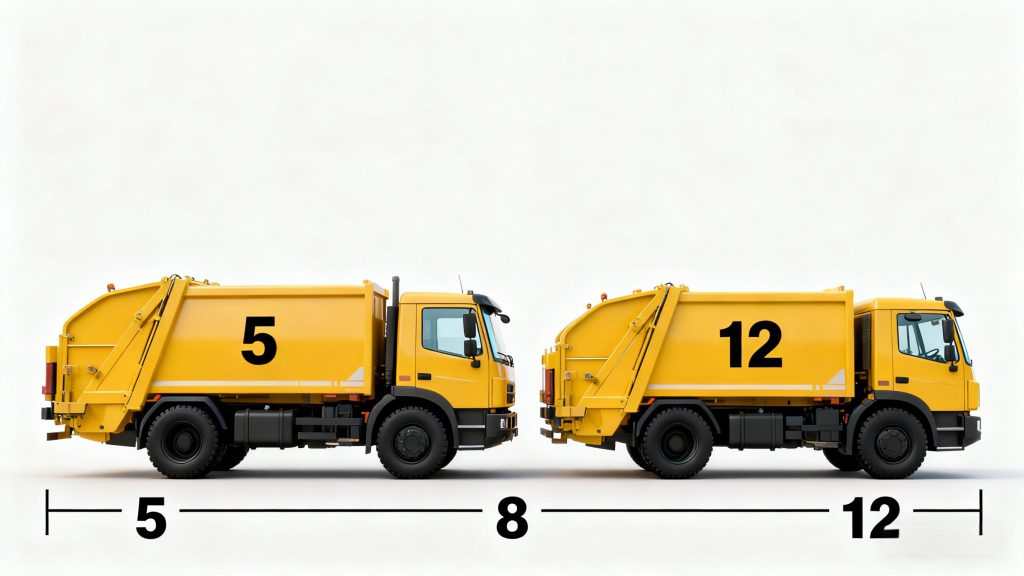
Çöp kamyonu sıkıştırıcı kapasitesi tipik olarak metreküp veya yarda küp cinsinden ölçülür ve sıkıştırma işleminden sonra kamyon gövdesinin iç hacmini ifade eder. Ancak kapasite sadece fiziksel boyutla ilgili değildir. Sıkıştırma oranı, atık yoğunluğu ve hidrolik performans ile yakından ilişkilidir.
Örneğin, hafif evsel atıklarla çalışan 10 m³'lük bir kompaktör, ağır inşaat molozlarıyla çalışan daha büyük bir üniteden daha iyi performans gösterebilir.
Kompaktör Kapasitesi Seçiminde Etkili Olan Temel Faktörler
Atık Türü ve Yoğunluğu
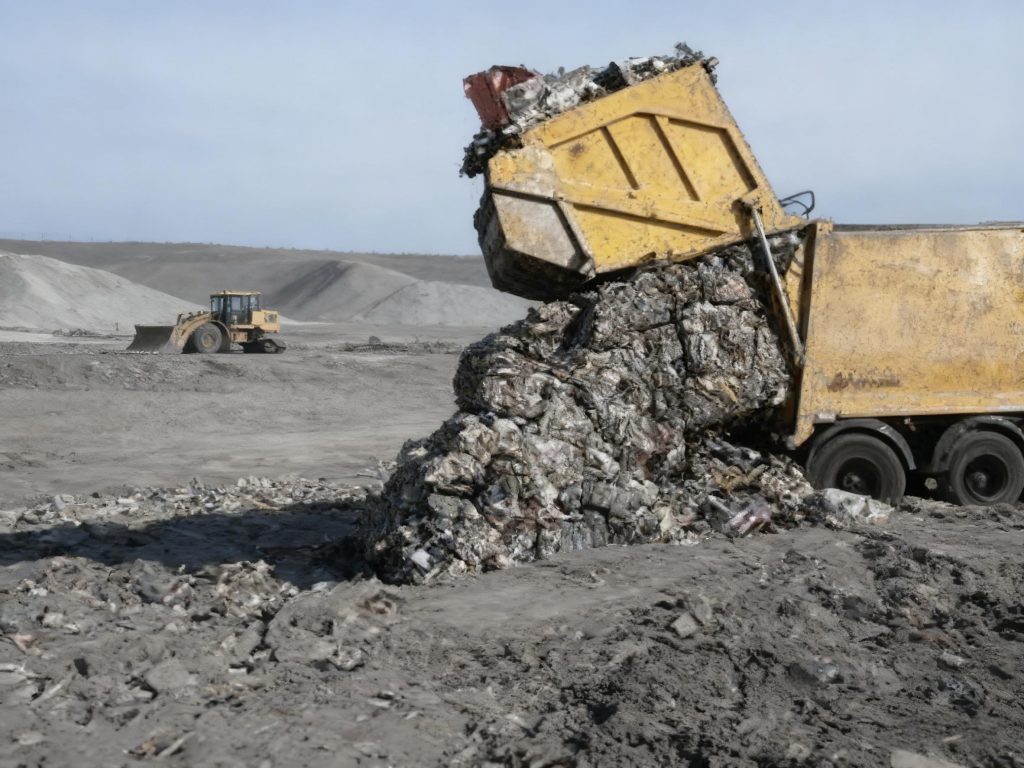
Farklı atık akışları sıkıştırma sırasında farklı davranır. Evsel atıklar genellikle poşet, gıda atığı ve hafif ambalaj malzemelerinin bir karışımını içerir ve daha yüksek sıkıştırma oranlarına izin verir. Buna karşılık, hacimli veya sert atıklar etkili sıkıştırmayı sınırlar.
Kapasiteyi değerlendirirken, operatörler yalnızca pik hacim yerine ortalama atık yoğunluğunu dikkate almalıdır.
Güzergah Uzunluğu ve Toplama Sıklığı
Sık boşaltma yapılan kısa şehir içi güzergahlar daha küçük kompaktörlerle verimli bir şekilde çalışabilir. Daha uzun güzergahlar veya kırsal toplama alanları, bertaraf sahalarına yapılan yolculukları en aza indirmek için daha büyük kompaktör kapasitesinden yararlanır.
Uygulamada, kompaktör boyutunun güzergah tasarımıyla eşleştirilmesi günlük verimliliği artırır ve araç aşınmasını azaltır.
Araç Şasisi ve Yasal Yük Sınırları
Kompaktör kapasitesi, şasi yük değerleri ve yerel yol düzenlemeleriyle uyumlu olmalıdır. Aks limitlerinin aşılması durumunda daha büyük bir gövde her zaman daha yüksek kullanılabilir taşıma kapasitesi anlamına gelmez.
Deneyimli üreticiler, yasal gereklilikleri karşılamak için hacim, ağırlık dağılımı ve yapısal gücü dengeleyen kompaktör gövdeleri tasarlar.
Sıkıştırma Oranı Gerçek Kapasiteyi Nasıl Etkiler?
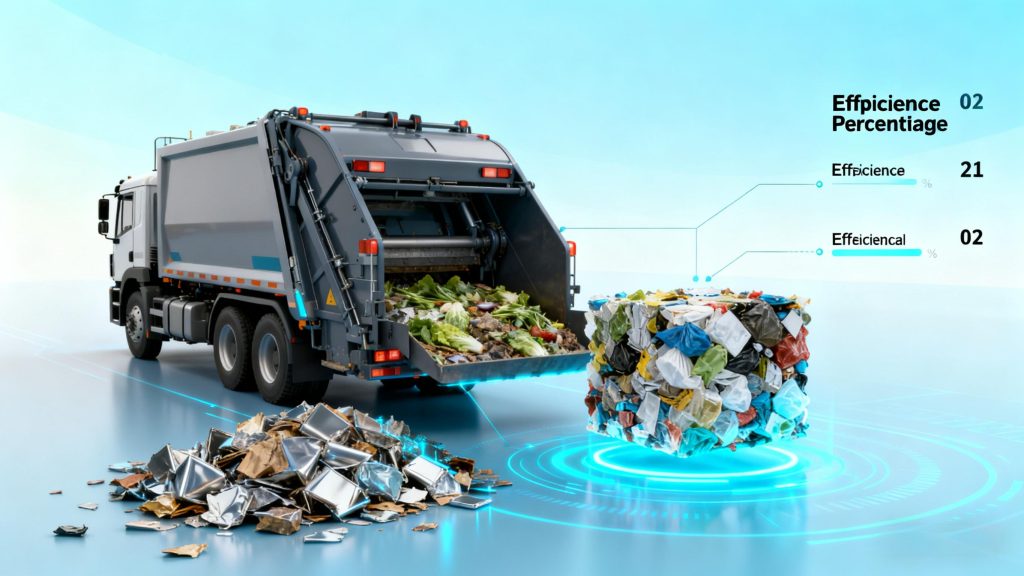
Sıkıştırma oranı, sıkıştırma sırasında atık hacminin ne kadar azaltıldığını açıklar. Daha yüksek bir oran, aynı gövde boyutuna daha fazla atık sığmasını sağlayarak kullanılabilir kapasiteyi etkili bir şekilde artırır.
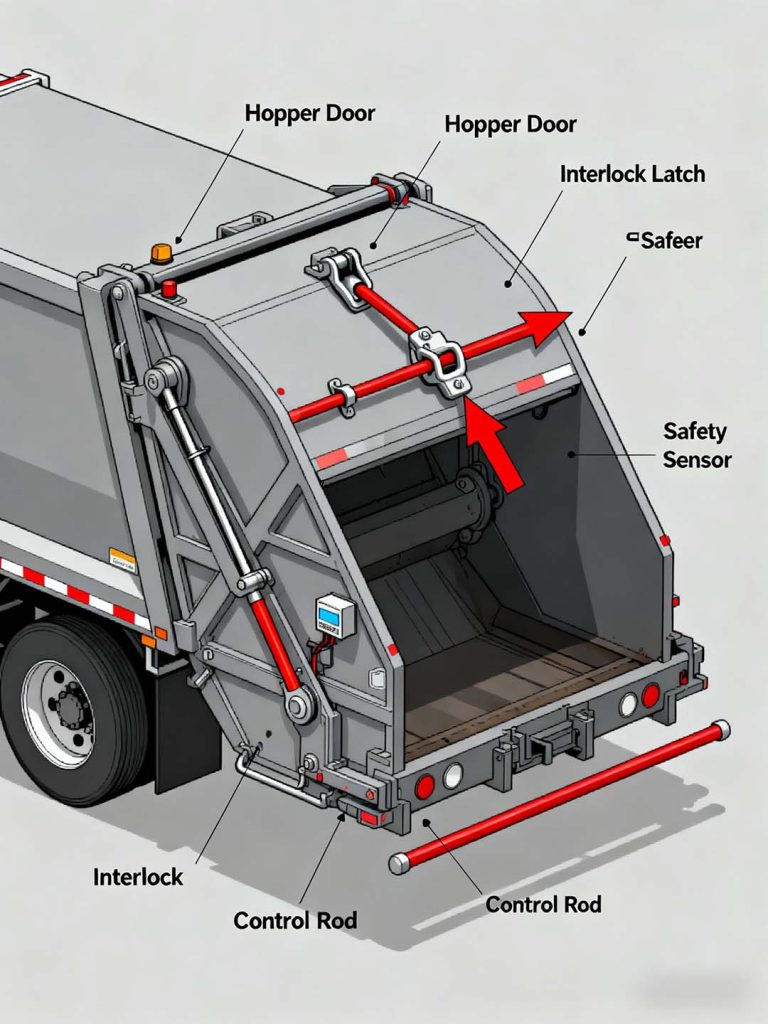
Modern çöp kamyonu sıkıştırıcıları, bileşenleri aşırı zorlamadan istikrarlı, tekrarlanabilir sıkıştırma elde etmek için optimize edilmiş hidrolik basınç kontrolü ve güçlendirilmiş sıkıştırma plakaları kullanır.
Kompaktör Kapasitesinin Kamyon Tipiyle Eşleştirilmesi
Arka Yükleyici Çöp Kamyonları
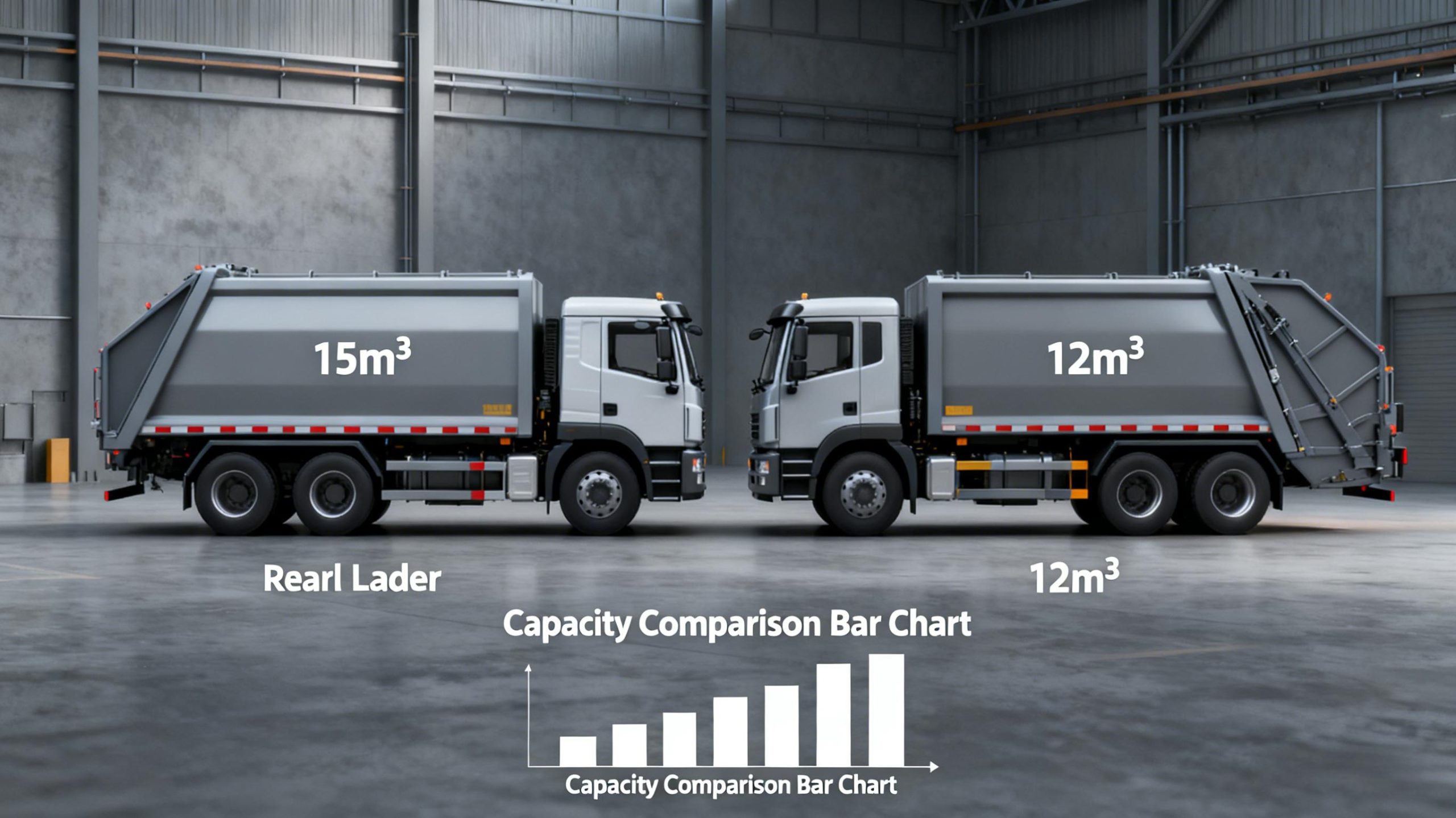
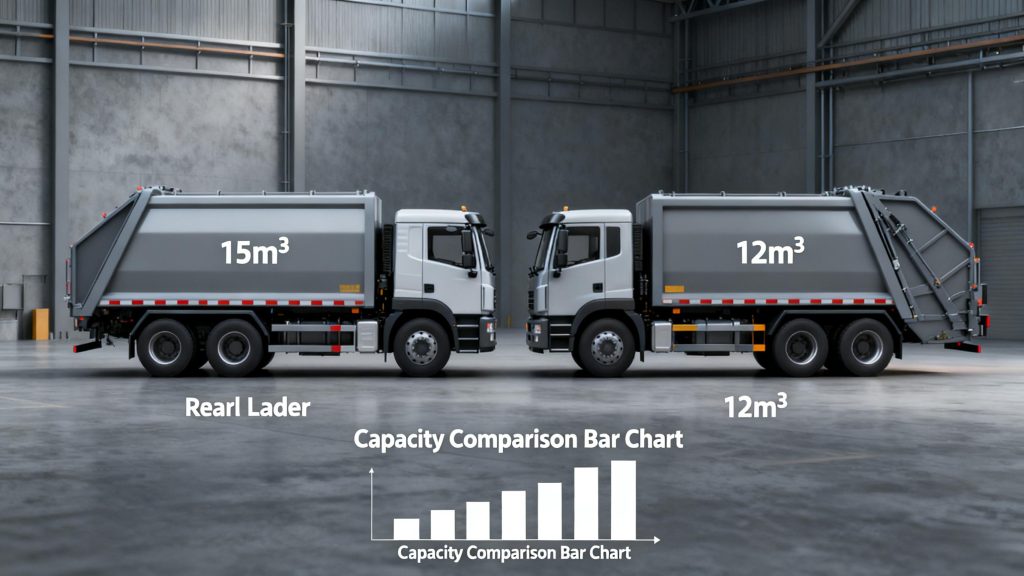
Arka yükleyici kompaktörler genellikle karışık atık ve manuel yükleme için kullanılır. Kapasite seçiminde hazne hacmine ve düzensiz yükleme modellerinin üstesinden gelmek için düzgün sıkıştırma döngülerine öncelik verilmelidir.
Yan Yükleyici Çöp Kamyonları
Yan yükleyici kompaktörler, tutarlı kutu boyutlarına ve otomatik yüklemeye odaklanır. Kapasite genellikle maksimum hacim yerine rota hızı ve tek operatör verimliliği için optimize edilir.
İhracat Pazarlarından Gerçek Dünya Değerlendirmeleri
Uluslararası pazarlarda iklim, yol koşulları ve atık bileşimi önemli ölçüde değişiklik gösterir. Örneğin, nemli bölgeler drenaj ve korozyon korumasına dikkat edilmesini gerektirirken, yüksek sıcaklıklı ortamlar istikrarlı hidrolik performans talep eder.
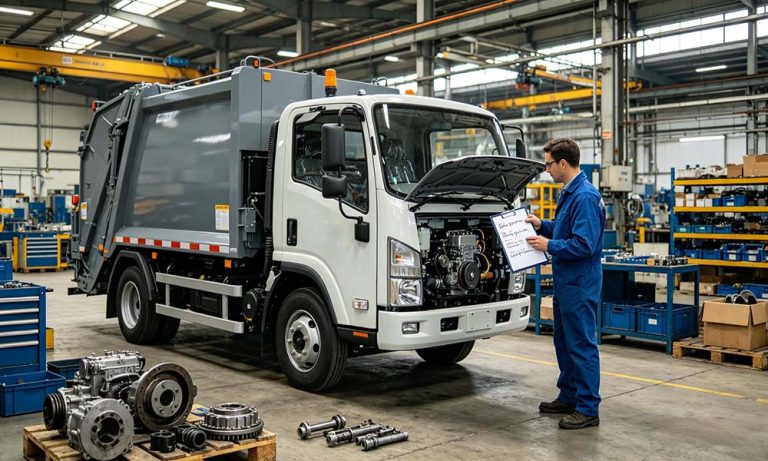
Gibi üreticiler üst araçlar, Birden fazla ihracat bölgesine çöp kamyonu sıkıştırıcıları tedarik etme deneyimine sahip olan şirket, genellikle herkese uyan tek bir çözüm sunmak yerine gövde tasarımını ve sıkıştırma ayarlarını yerel çalışma koşullarına uyacak şekilde ayarlamaktadır.
Bu pratik deneyim, alıcıların yalnızca teknik özelliklere göre kapasite seçerken sık yapılan hatalardan kaçınmasına yardımcı olur.
Kaçınılması Gereken Yaygın Kapasite Seçim Hataları
Sık yapılan hatalardan biri, güzergah verimliliğini dikkate almadan mevcut en büyük sıkıştırıcıyı seçmektir. Bir diğeri ise mevsimsel dalgalanmalar veya geri dönüşüm politikası düzenlemeleri gibi zaman içinde atık bileşiminde meydana gelen değişiklikleri göz ardı etmektir.
Doğru seçilmiş bir sıkıştırıcı kapasitesi verimlilik, maliyet ve uzun vadeli operasyonel istikrar arasında denge kurmalıdır.
Mevcut Kompaktör Kapasitenizi Ne Zaman Yeniden Değerlendirmelisiniz?
Toplama rotaları sürekli olarak erken boşaltma gerektiriyorsa veya araçlar maksimum yük sınırlarına yakın çalışıyorsa, sıkıştırıcı boyutunu yeniden değerlendirmenin zamanı gelmiş olabilir. Atık hacmindeki, güzergah genişlemesindeki veya işgücü mevcudiyetindeki değişiklikler kapasite gereksinimlerini etkileyebilir.
Kapasite Seçimi Neden Uzun Vadeli Maliyetleri Etkiliyor?
Doğru sıkıştırıcı kapasitesinin seçilmesi yakıt tüketimini, bakım sıklığını ve arıza süresini azaltır. Bir çöp kamyonunun kullanım ömrü boyunca, bu tasarruflar genellikle ilk satın alma fiyat farklarından daha ağır basar.
Filo yükseltmelerini planlayan operatörler için kapasite değerlendirmesi sonradan düşünülen bir konu olmaktan ziyade tedarik sürecinin temel bir parçası olmalıdır.