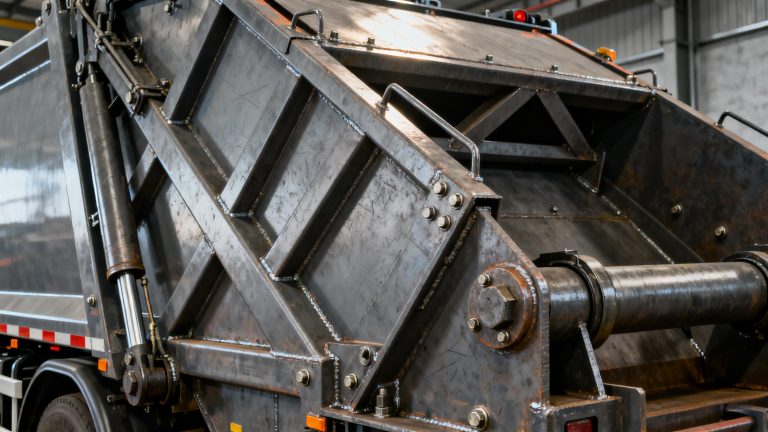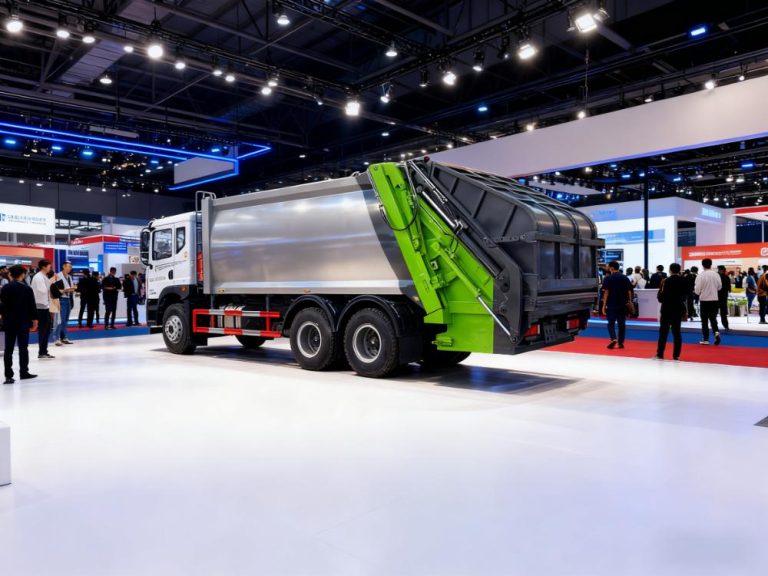
Cách thức hoạt động của xe chở rác: Hướng dẫn toàn diện về thu gom rác thải
Garbage trucks play a critical role in modern urban sanitation systems. Every day, these specialized vehicles collect, transport, and compress large amounts of municipal waste, helping cities maintain clean and healthy environments.
Although most people see garbage trucks operating in their neighborhoods, few understand how these vehicles actually work. Modern garbage trucks are highly engineered machines that combine hydraulic systems, mechanical structures, and automated control technologies to perform efficient waste collection.
This guide explains how garbage trucks work, the main components involved in waste collection, and the role of compaction systems in improving efficiency.
What Is a Garbage Truck?
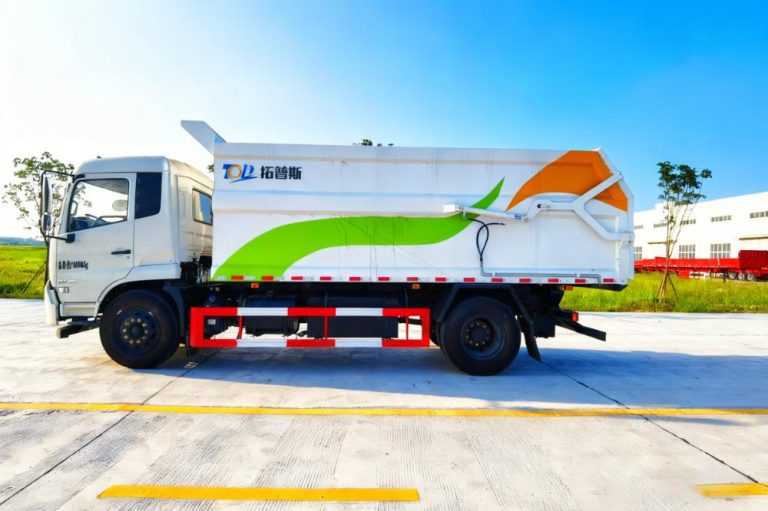
A garbage truck, also known as a waste collection truck, is a specialized vehicle designed to collect and transport municipal solid waste from residential, commercial, and industrial areas to disposal or recycling facilities.
Unlike standard transport trucks, garbage trucks include integrated compaction systems that compress waste inside the truck body. This allows the vehicle to carry significantly more waste per trip, reducing transportation costs and improving operational efficiency.
Garbage trucks are widely used by municipal sanitation departments, waste management companies, and private waste collection contractors.
Main Components of a Garbage Truck
Modern garbage trucks consist of several key components that work together to perform waste collection and compaction.
1 Truck Chassis
The chassis is the foundation of the garbage truck. It supports the entire vehicle structure and includes the engine, transmission, suspension system, and driver cabin.
Garbage truck bodies are typically mounted on heavy-duty commercial truck chassis designed to handle large loads and demanding working conditions.
2 Hopper
The hopper is the area where waste is initially loaded into the truck. Workers or automated lifting systems place waste into the hopper before it is transferred into the compaction chamber.
The hopper is designed to handle different types of waste materials and allows safe loading during collection operations.
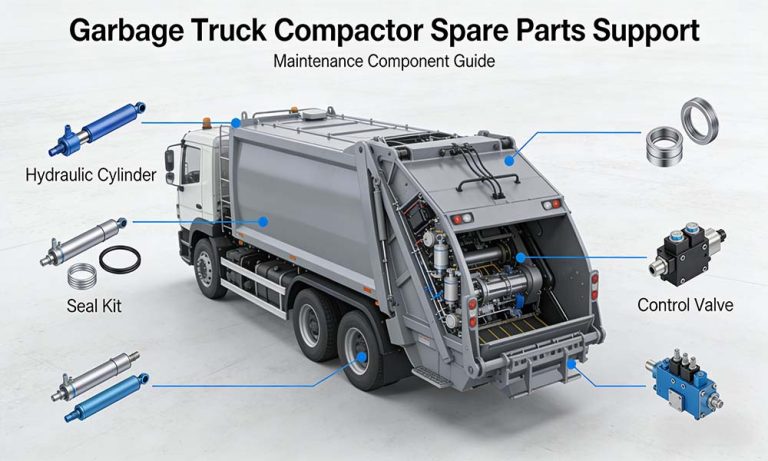
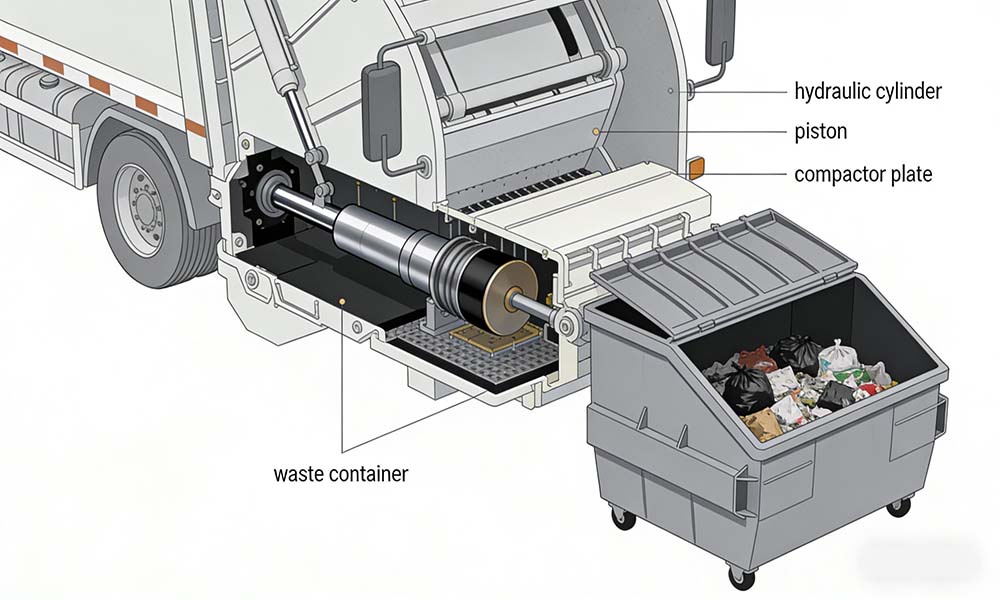
3 Compaction System
One of the most important components of a garbage truck is the compaction system.
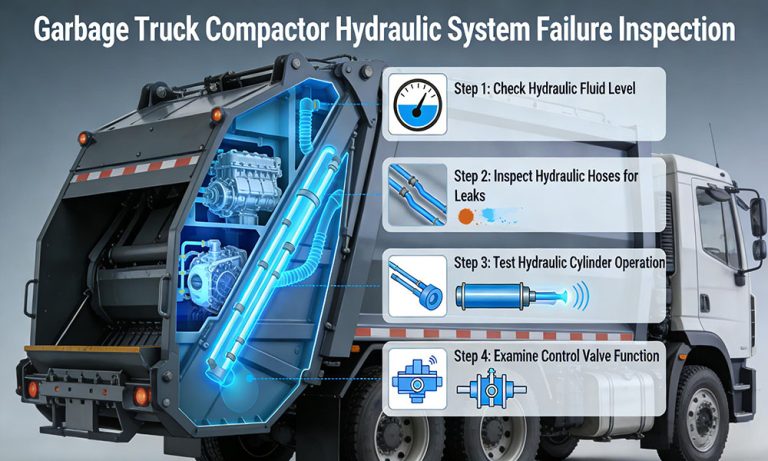
This system uses hydraulic cylinders and a moving compression plate to compress waste inside the truck body. By compacting waste, the truck can carry several times more material compared to non-compacting vehicles.
Hiện đại Xe thu gom rác có thiết bị nén rác systems are capable of achieving high compression ratios, which helps reduce the number of trips required to transport waste to disposal sites.
Types of Garbage Trucks
Garbage trucks come in several different configurations depending on how waste is collected and loaded.
Xe chở rác tải sau
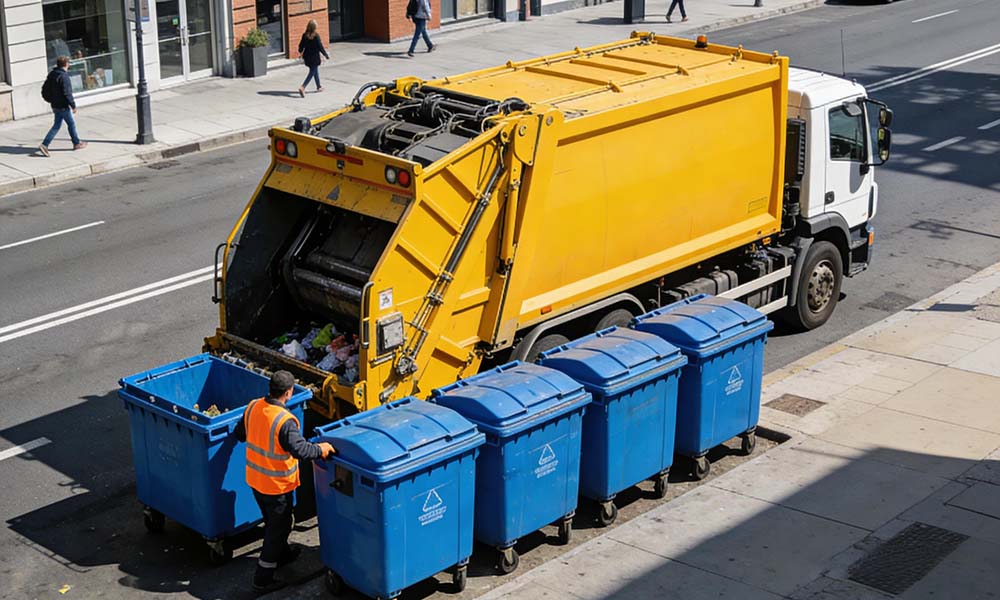
Rear loader garbage trucks are one of the most common types used worldwide. Waste is loaded into the rear hopper and then pushed into the compaction chamber using a hydraulic compression plate.
These trucks are commonly used for residential waste collection.
Xe chở rác kiểu nạp trước
Front loader trucks use hydraulic arms to lift large waste containers located at commercial or industrial sites. The container is lifted above the truck and emptied into the hopper.
Front loader trucks are commonly used for commercial waste collection.
Xe chở rác kiểu tải bên
Side loader garbage trucks collect waste from the side of the vehicle. Some models use automated robotic arms to lift and empty waste bins, reducing the need for manual labor.
Side loader trucks are widely used in automated residential waste collection systems.
How the Garbage Truck Compaction Cycle Works
The compaction cycle is the core operation of a garbage truck.
The process typically includes the following steps:
- Waste is loaded into the hopper
- The hydraulic system activates the compression plate
- Waste is pushed into the storage body
- The compression plate retracts and repeats the cycle
Each compaction cycle increases the waste density inside the truck body, allowing the vehicle to collect more waste before unloading.
Efficient compaction systems are essential for reducing fuel consumption and improving route productivity.
Modern Innovations in Garbage Trucks
Modern waste collection vehicles have evolved significantly in recent years. Many garbage trucks now include advanced technologies such as:
- Automated bin lifting systems
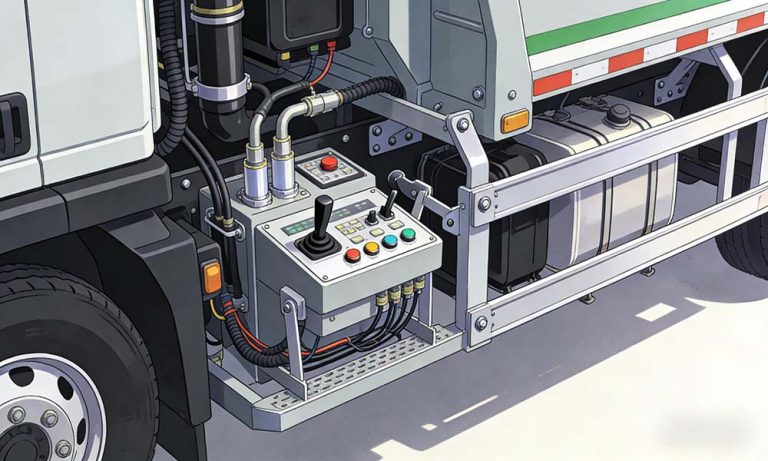
- Electronic control systems
- Safety monitoring sensors
- Rear-view cameras
- Optimized hydraulic compaction systems
These innovations help improve safety, efficiency, and reliability in waste collection operations.
Các nhà sản xuất như Các mẫu xe hàng đầu design modern Xe thu gom rác có thiết bị nén rác systems with reinforced steel structures, efficient hydraulic components, and optimized compaction mechanisms. These features help waste management companies increase operational efficiency while maintaining long-term equipment durability.
Garbage trucks are essential vehicles in modern waste management systems. Through a combination of hydraulic compaction systems, specialized loading mechanisms, and durable truck bodies, these vehicles efficiently collect and transport large volumes of waste.
Understanding how garbage trucks work helps municipalities and waste management companies choose the right equipment for their operations.
As waste collection demands continue to grow, modern garbage truck technologies will continue to improve efficiency, safety, and sustainability in urban sanitation systems.