Độ bền của máy nén rác trên xe thu gom rác là bao nhiêu? Phân tích chi tiết về lực tác động tối đa
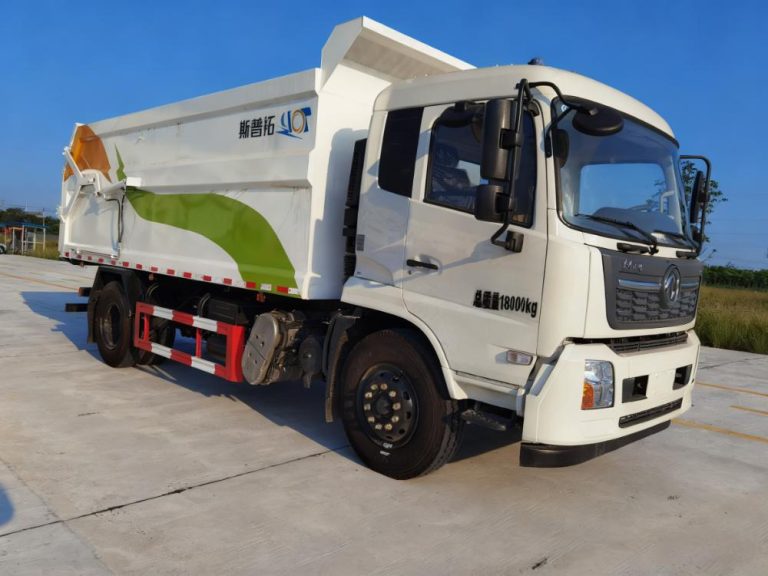
Understanding how strong a garbage truck compactor helps buyers choose the right model for local waste type, density, and route conditions. Although many people only see the final compressed waste, the actual compaction force results from hydraulic pressure, structural strength, and mechanical leverage. In this article, we break down the real factors that decide how powerful a Xe thu gom rác có thiết bị nén rác can be.
Hydraulic Pressure: The Core of Compaction Strength
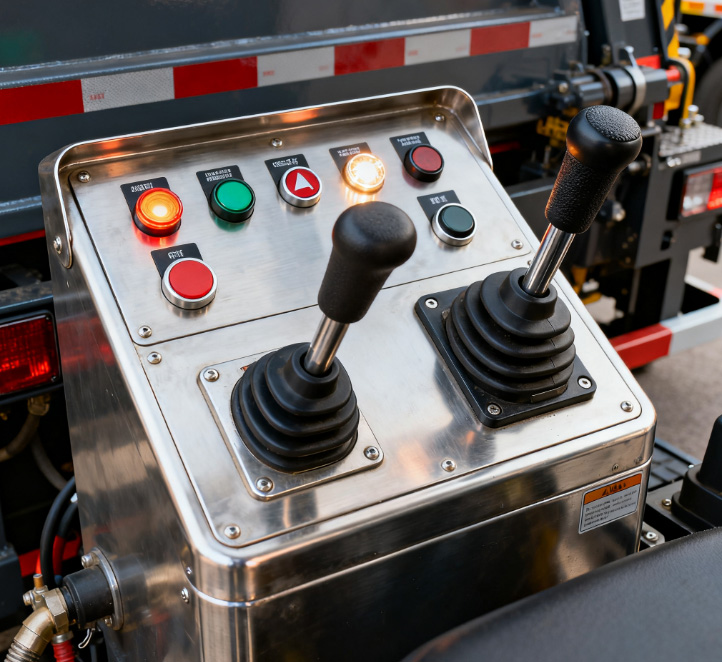
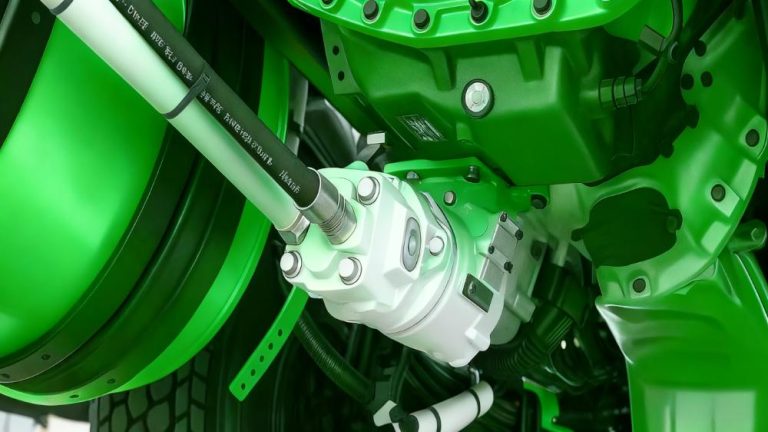
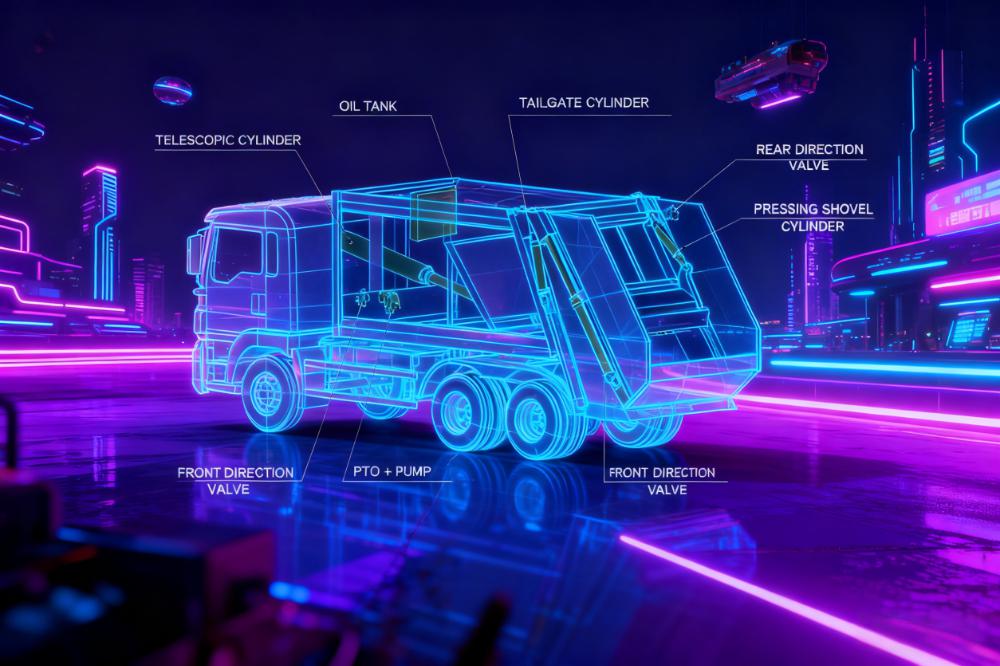
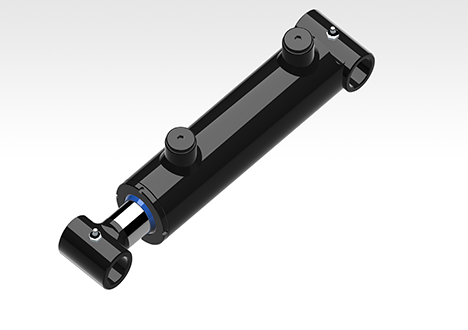
The main force in a compactor comes from its hydraulic system. Rear loader garbage compactor trucks often run between 16–22 MPa of working pressure, depending on cylinder size and packing blade design. A higher pressure allows the blade to handle denser waste such as mixed household trash, restaurant waste, and light construction debris.
The compaction ratio for a standard rear loader usually ranges from 1:2 to 1:3, meaning the machine can reduce loose waste volume by more than half before transportation. For cities with heavy commercial routes, operators typically select higher-pressure models to ensure stable performance.
Blade Design and Mechanical Leverage
Even with strong hydraulic power, blade design determines how effectively the compaction force transfers to the waste. A well-designed blade uses curved edges and multi-link geometry to push, fold, and compress the trash into the body with minimal resistance. This design also protects the hydraulic cylinders by distributing pressure more evenly.
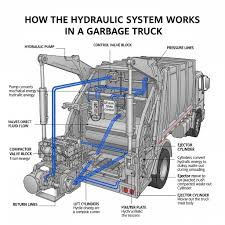
Because different markets handle different waste types, buyers often compare blade geometry when evaluating how strong a Xe thu gom rác có thiết bị nén rác is. At higher force levels, durability becomes critical, especially for routes with bulky objects.
Steel Material and Body Reinforcement
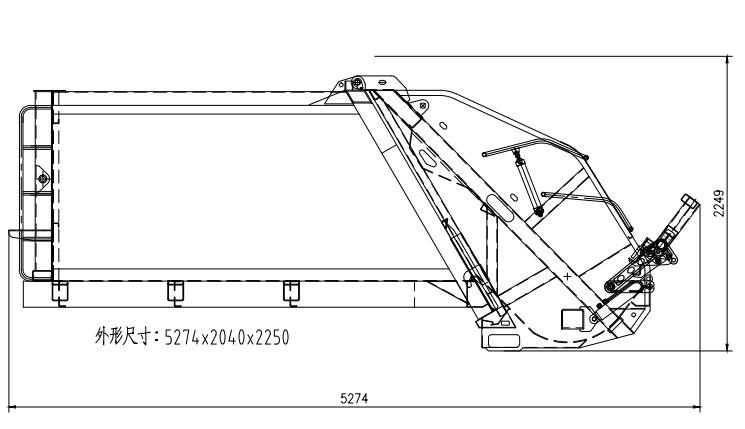
The compactor’s strength is not only about force output—it also depends on how well the truck’s body resists long-term pressure. High-quality Xe ép rác use Q235 or Q345 steel, reinforced ribs, and thicker floor plates to prevent bending or cracking.
For example, a 12–14 m³ rear loader designed for dense waste often includes:
- Reinforced side walls
- Anti-wear plates
- Additional welding support under stress areas
These improvements help the body withstand thousands of compaction cycles per year.
Real-World Waste Handling Capability
The true strength of a compactor becomes clear when handling different waste categories. Soft household waste compresses easily, but items such as wood pieces, cardboard bundles, foam boxes, or light construction debris require stronger force. Municipal waste departments often choose higher-pressure models because mixed waste streams need more reliable compaction.
A strong xe thu gom rác compactor helps reduce:
- Collection frequency
- Transportation cost
- Fuel usage
- Labor intensity
This is why most buyers evaluate compaction force before selecting the right model for their region.
How Strong Is a Garbage Truck Compactor Compared to Other Machines?
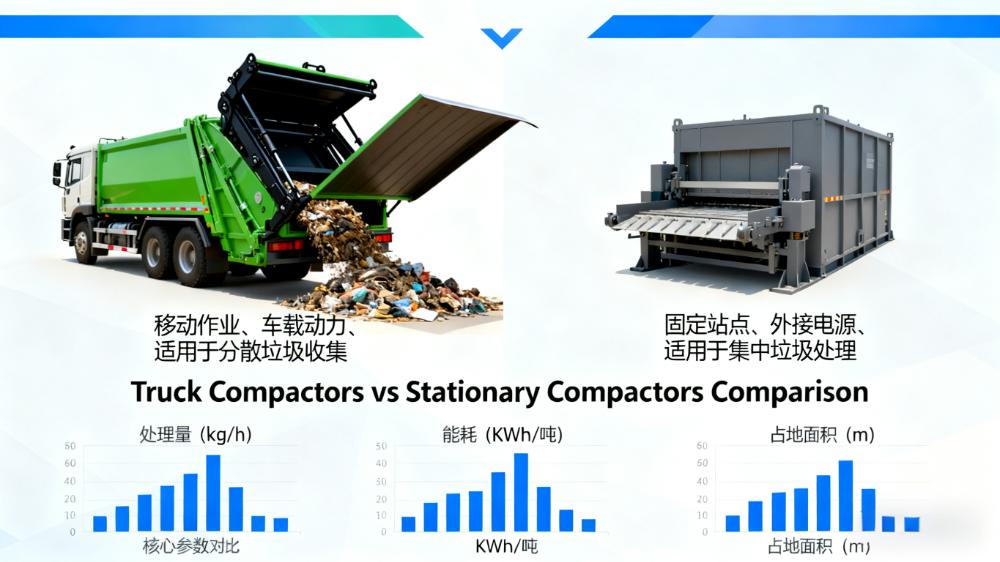
While not as powerful as industrial stationary compactors, modern rear loader garbage trucks still generate impressive force. A typical unit can exert tens of thousands of kilograms of pressure during the compaction cycle. This level of power allows the vehicle to manage large volumes of municipal solid waste without excessive fuel use or downtime.
Why Compaction Strength Matters to Buyers
For governments, contractors, and fleet managers, understanding how strong a garbage truck compactor helps determine long-term operating cost. Stronger compactors reduce the number of daily trips, support heavier waste streams, and enhance route efficiency. When selecting a new garbage compactor truck for sale, verifying compaction pressure and structural durability ensures better performance over years of service.