Garbage Truck Compactor Power Explained: What Affects Real Performance?
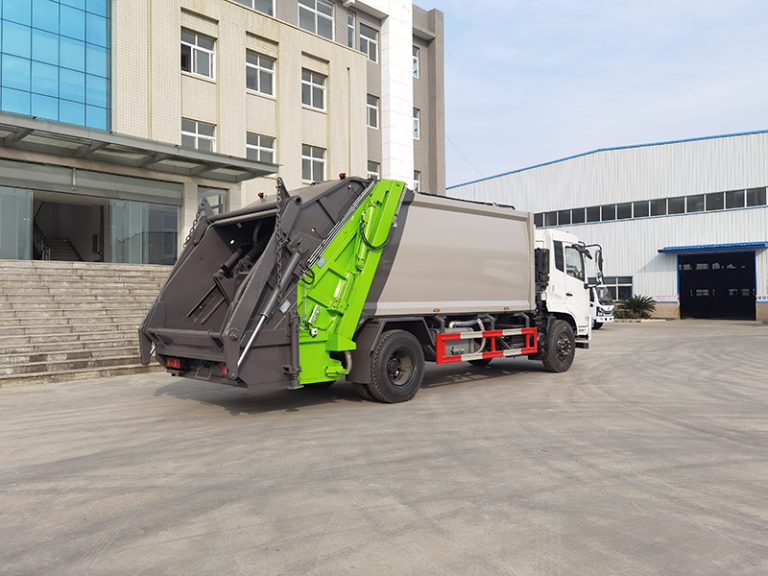
A Xe thu gom rác có thiết bị nén rác must deliver enough hydraulic force to compress mixed household waste, construction debris, and bulky items while staying efficient and reliable. For fleet operators and municipal buyers, understanding power, pressure, and compaction performance is essential when comparing different manufacturers and models. This article breaks down the factors that determine real-world compaction strength and how companies like Xe Tops optimize performance for global waste systems.
Why Compaction Power Matters
Compaction power determines how much waste a truck can carry before heading to the landfill. Higher compression means fewer trips, lower fuel costs, and better route efficiency. For operators running long-distance routes or handling dense waste streams, the right power level directly affects profitability.
Key Factors That Control Compaction Power
1. Hydraulic Pressure Output
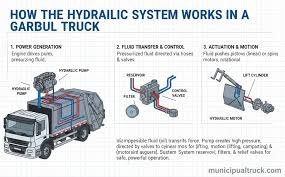
Hydraulics are the backbone of every compactor. Standard systems operate between 16–22 MPa, but heavy-duty markets often need reinforced cylinders that maintain stable pressure without overheating.
2. Cylinder Size & Stroke Length
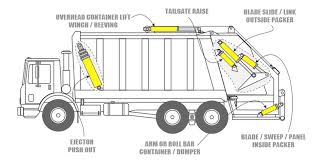
Larger bore cylinders produce stronger compaction force. Stroke length impacts how far the plate can push waste inside the chamber.
3. Structural Rigidity of the Compactor Body
If the body steel is too thin, high-pressure cycles can cause deformation. Stronger materials like Q345 reinforced plates help maintain consistent compression.
4. Compaction Plate Geometry
An optimized panel angle increases pressure efficiency and reduces wear on the slide rails.
Performance Levels for Different Waste Types
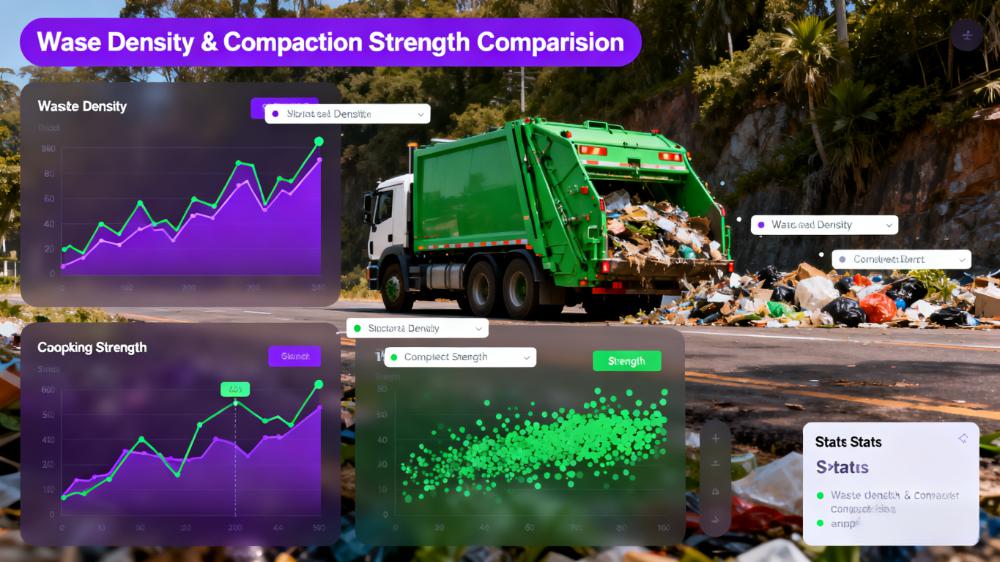
Not all waste has the same density. Here’s how compaction power aligns with common applications:
- Household waste: Normal pressure, 3:1–4:1 ratio
- Commercial waste: Medium pressure, 4:1–5:1 ratio
- Bulky waste: High pressure with reinforced body, 5:1–6:1 ratio
This helps buyers understand why “one model fits all” is rarely efficient.
How Tops Vehicle Improves Compaction Performance
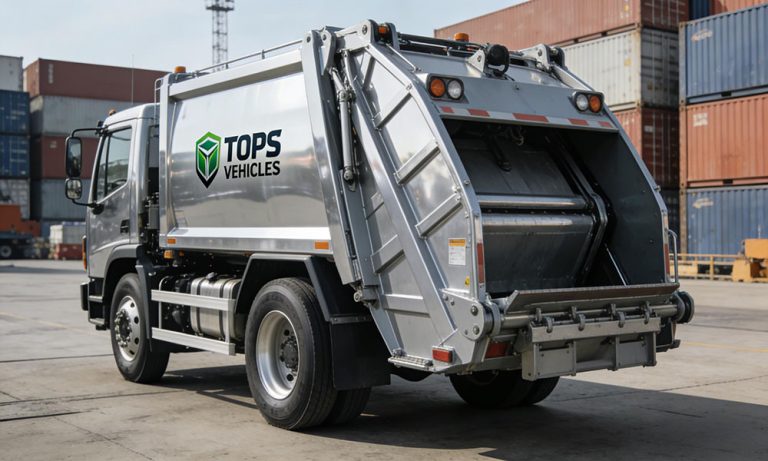
Như một China garbage truck compactor manufacturer, Tops Vehicle uses several engineering enhancements:
- Optimized hydraulic circuits for stable pressure
- Anti-wear rails with high hardness
- Reinforced welding under high-stress zones
- Optional high-pressure cylinder packages for challenging markets
- On-load pressure testing before shipment
These upgrades ensure consistent performance even in hot climates, mountain cities, or long-working-hour routes.
Signs of a Powerful and Reliable Compaction System
When evaluating vendors or comparing specification sheets, look for:
- Minimal hydraulic temperature rise during continuous cycles
- Smooth plate movement without vibration
- Higher effective compaction ratio, not just theoretical numbers
- Strong welds around the hopper and slide rails
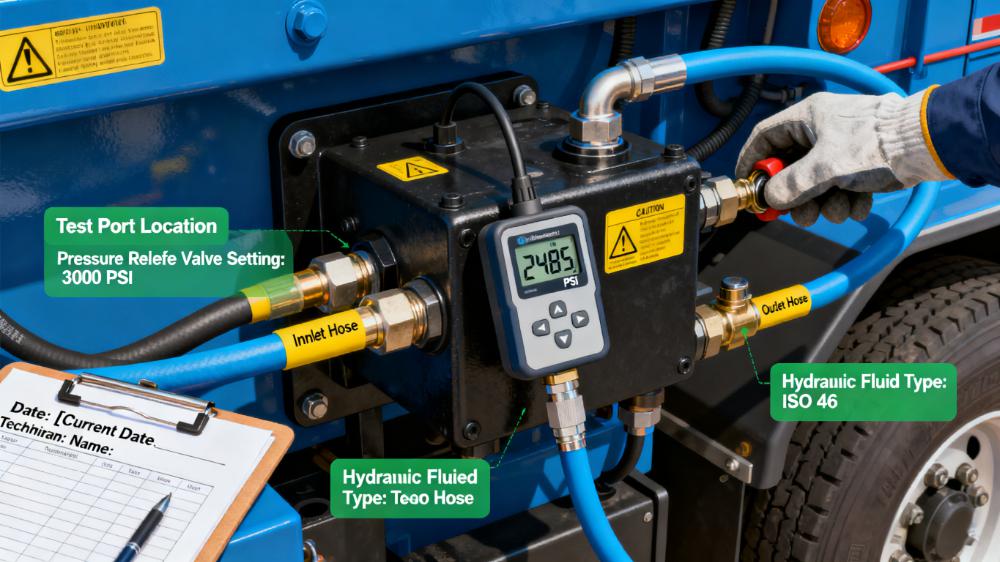
- Accurate pressure readings under load
Final Buying Advice
A strong Xe thu gom rác có thiết bị nén rác is more than just a pressure rating. Buyers should review real test data, structural reinforcement, and cylinder configuration, especially when purchasing OEM or export-ready models from China. Tops Vehicle provides complete compaction performance reports for international customers, making it easier to select the right truck for local waste types and route conditions.