What Causes Hydraulic Failure in Garbage Truck Compactors?
Hydraulic failure is one of the most common and costly issues affecting garbage truck compactors. When a hydraulic system fails, the compactor may lose compression force, operate erratically, or stop functioning entirely—resulting in downtime, safety risks, and expensive repairs.
Hiểu biết why hydraulic failures occur is essential for fleet managers, operators, and equipment buyers. Most failures are not random; they are the predictable outcome of operational habits, environmental factors, and maintenance decisions. This article breaks down the real-world causes of hydraulic failure in garbage truck compactors and explains how they can be prevented.
How the Hydraulic System Powers a Garbage Truck Compactor
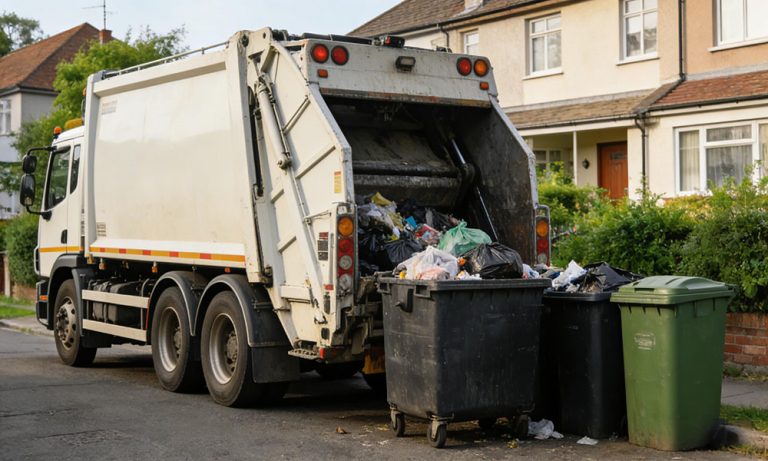
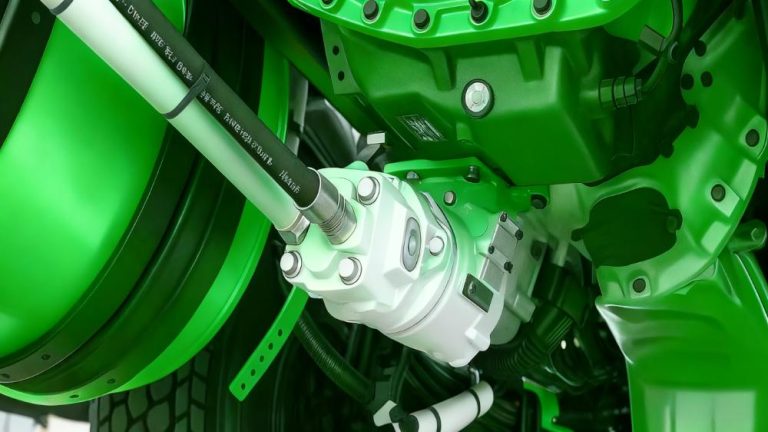
A garbage truck compactor relies on hydraulic energy to drive its compaction plate, tailgate locking mechanism, and auxiliary functions. The system typically consists of a hydraulic pump, oil tank, control valves, cylinders, hoses, and filters working together under high pressure.
If you want a full structural overview before diving deeper, this garbage truck compactor guide explains the complete system layout and working logic.
Hydraulic reliability depends not only on component quality but also on how consistently the system operates within its design limits.
Cause 1: Hydraulic Oil Contamination
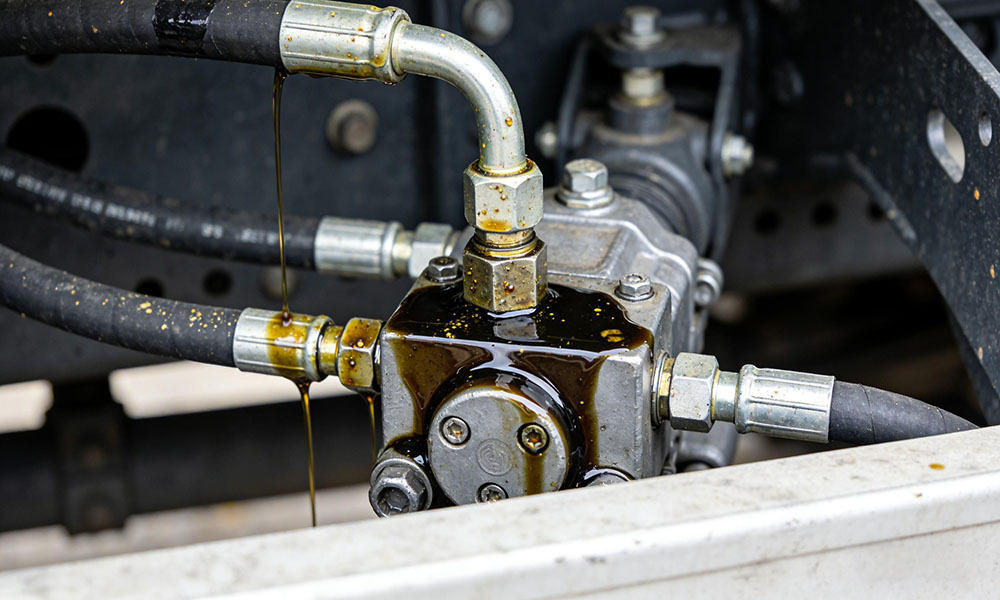
Oil contamination is the number one cause of hydraulic failure in garbage truck compactors.
How Contamination Occurs
Contaminants typically enter the system through:
- Improper oil replacement procedures
- Damaged seals or breathers
- Moisture condensation in humid climates
- Dirty tools or containers during servicing
Even microscopic particles can damage pumps and control valves over time.
Why Contaminated Oil Is So Destructive
Dirty oil increases internal friction, accelerates seal wear, and causes valves to stick or respond slowly. Once contamination spreads, the entire hydraulic system becomes vulnerable.
This issue is closely related to routine maintenance practices, which are detailed in this garbage truck compactor maintenance checklist.
Cause 2: Overheating and Excessive Continuous Operation
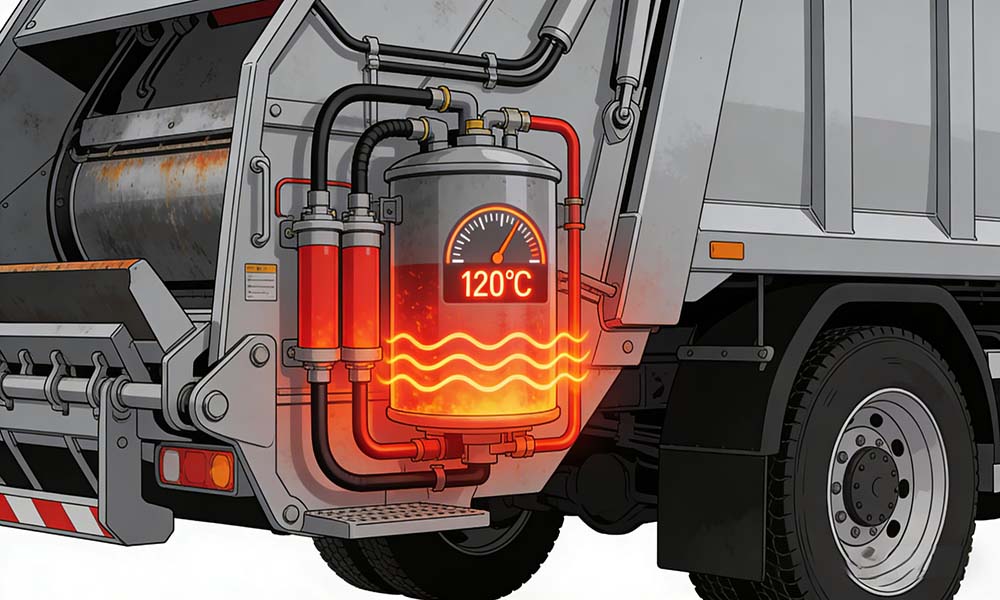
Hydraulic systems generate heat naturally, but excessive heat dramatically shortens component life.
Common Overheating Scenarios
- Continuous full-pressure compaction cycles
- High ambient temperatures with poor cooling
- Low oil level reducing heat dissipation
- Incorrect oil viscosity
Long-Term Effects of Overheating
Prolonged overheating degrades oil viscosity, hardens seals, and reduces pump efficiency. Once heat damage occurs, failures tend to repeat unless the operating pattern changes.
Understanding correct pressure use and cycle design is explained in this garbage truck compactor power and performance guide.
Cause 3: Operating Beyond Designed Pressure Limits
Many operators mistakenly believe that “more pressure equals better compaction.” In reality, excessive pressure is a leading cause of hydraulic failure.
Why Overpressure Happens
- Misadjusted relief valves
- Operator forcing full cycles on light waste
- Improper retrofitting or unauthorized modifications
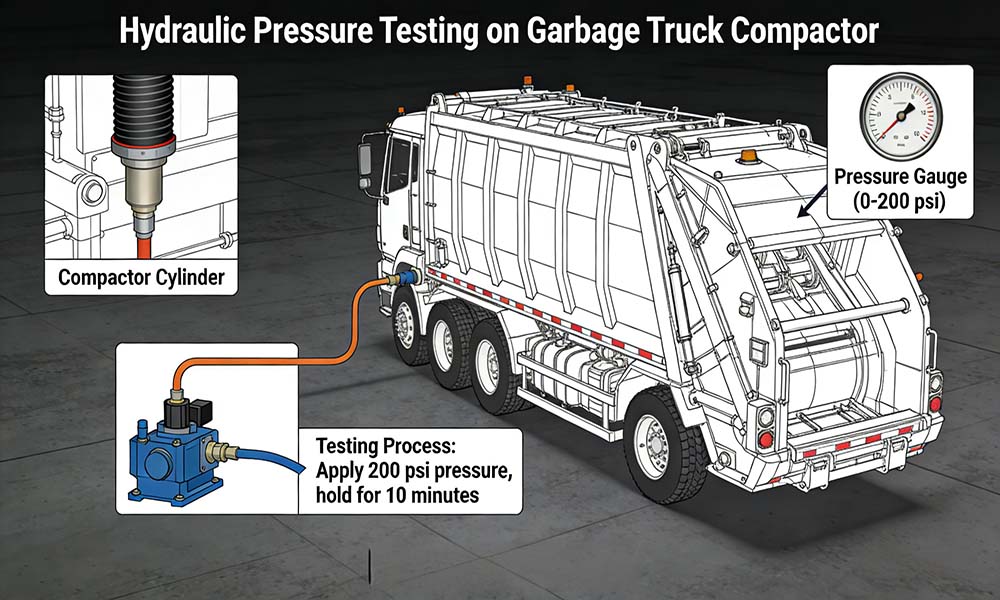
Overpressure places extreme stress on hoses, cylinders, and seals, often causing sudden failure.
Design Matters More Than Maximum Pressure
Well-engineered compactors balance pressure, cycle time, and structural strength. Export-oriented manufacturers such as Tops Vehicles design their systems conservatively to ensure stable long-term operation across different waste types and climates.
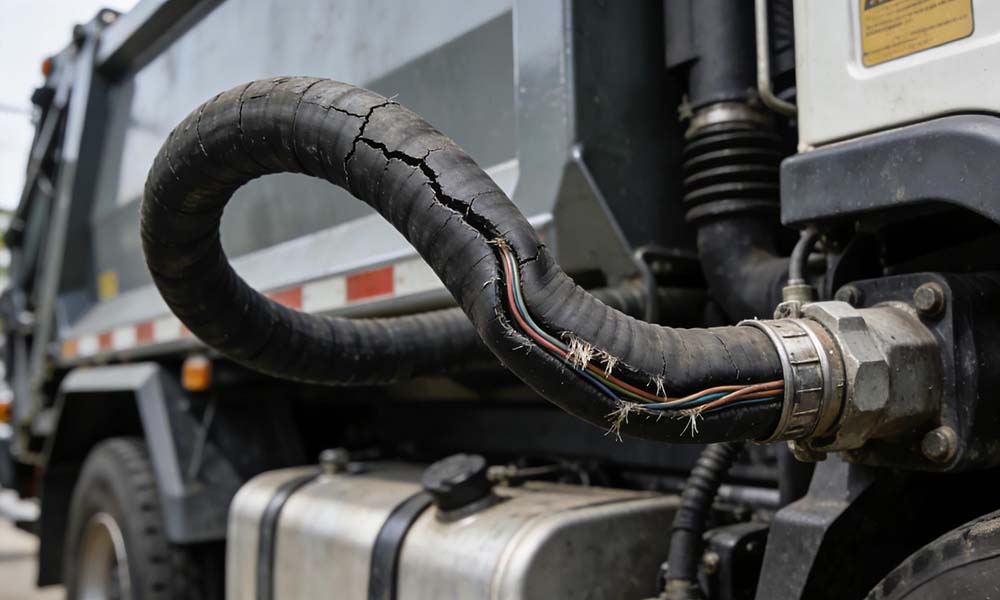
Cause 4: Hose, Seal, and Fitting Fatigue
Hydraulic hoses and seals are wear items, not permanent components.
Fatigue and Vibration Effects
Repeated flexing, vibration, and temperature changes gradually weaken hoses and seals. Minor leaks often go unnoticed until pressure drops or oil loss becomes severe.
Why Early Replacement Saves Money
Replacing hoses proactively during scheduled maintenance costs far less than emergency repairs or system contamination following a rupture.
Structural layout and component placement also influence hose lifespan, which is explained in this garbage truck compactor structure overview.
Cause 5: Poor Maintenance Planning and Documentation
Hydraulic failure is often the result of what was not done rather than what was done incorrectly.
Common Maintenance Gaps
- Skipped oil analysis
- Irregular filter replacement
- No tracking of operating hours
- Lack of operator feedback loop
Without maintenance records, small problems repeat until a major failure occurs.
Manufacturers with international fleet experience, such as Tops Vehicles, emphasize maintenance documentation and standardized service procedures to minimize long-term risk.
How to Prevent Hydraulic Failure in the Long Term
Preventing hydraulic failure requires a system-level approach:
- Maintain oil cleanliness
- Control operating temperature
- Respect pressure limits
- Replace wear components proactively
- Train operators to recognize early warning signs
For buyers evaluating equipment durability, these preventive principles should influence not only maintenance strategy but also manufacturer selection, discussed further in this garbage truck compactor manufacturer guide.
Hydraulic Failure Is Predictable—and Preventable
Hydraulic failure in garbage truck compactors is rarely accidental. It is the cumulative result of oil contamination, heat stress, pressure misuse, and inconsistent maintenance. By understanding these causes and addressing them systematically, fleet operators can dramatically improve compactor reliability and reduce lifetime operating costs.
For a complete framework covering selection, operation, and long-term care, the central garbage truck compactor guide remains the foundation of this knowledge hub.