Common Garbage Truck Problems and Practical Solutions Guide
Garbage trucks operate in demanding environments every day. From heavy loads to frequent stop-and-go routes, these vehicles are exposed to constant stress. Over time, this leads to mechanical wear, hydraulic issues, and operational inefficiencies.
Understanding the most common garbage truck problems and how to solve them is essential for fleet managers, operators, and buyers. Proper maintenance and timely troubleshooting can significantly reduce downtime and extend the lifespan of the vehicle.
Hydraulic System Failure
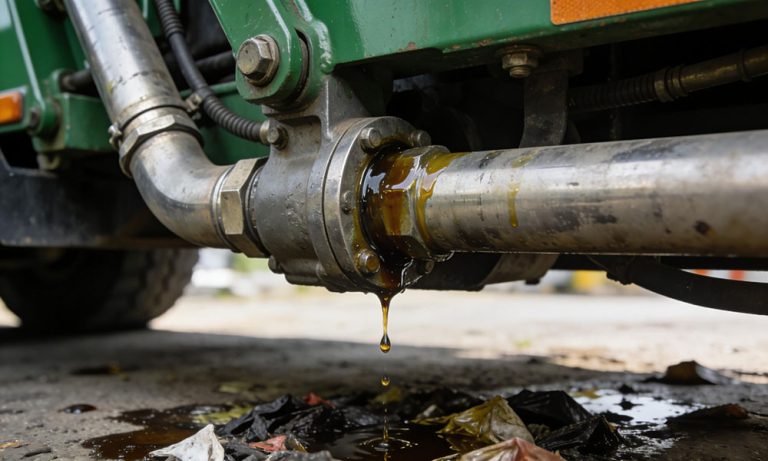
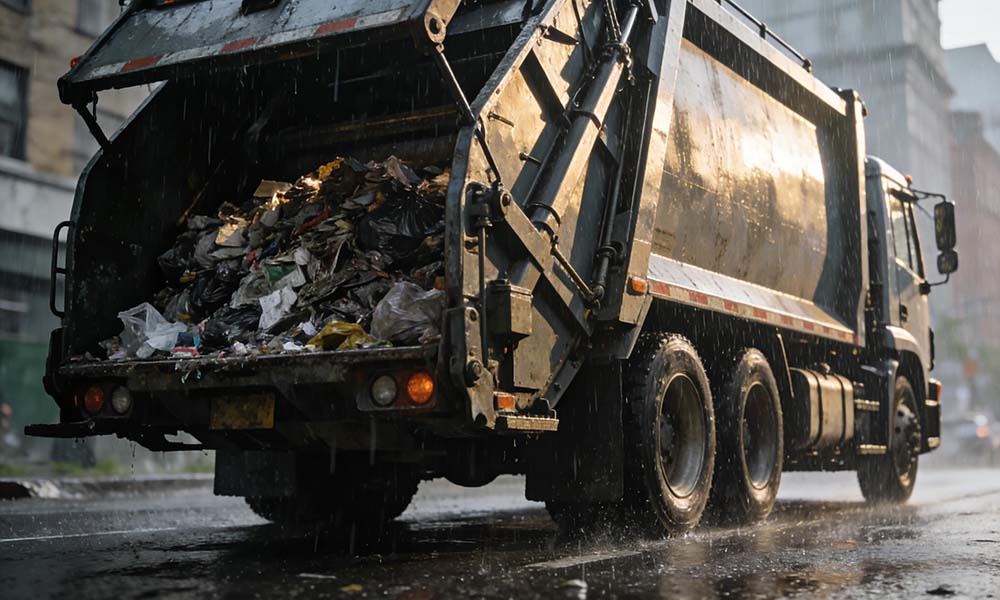
The hydraulic system is the core of a garbage truck. It powers lifting, compaction, and unloading functions. When the hydraulic system fails, the entire truck operation can be disrupted.
Common symptoms include:
- Slow or weak compaction
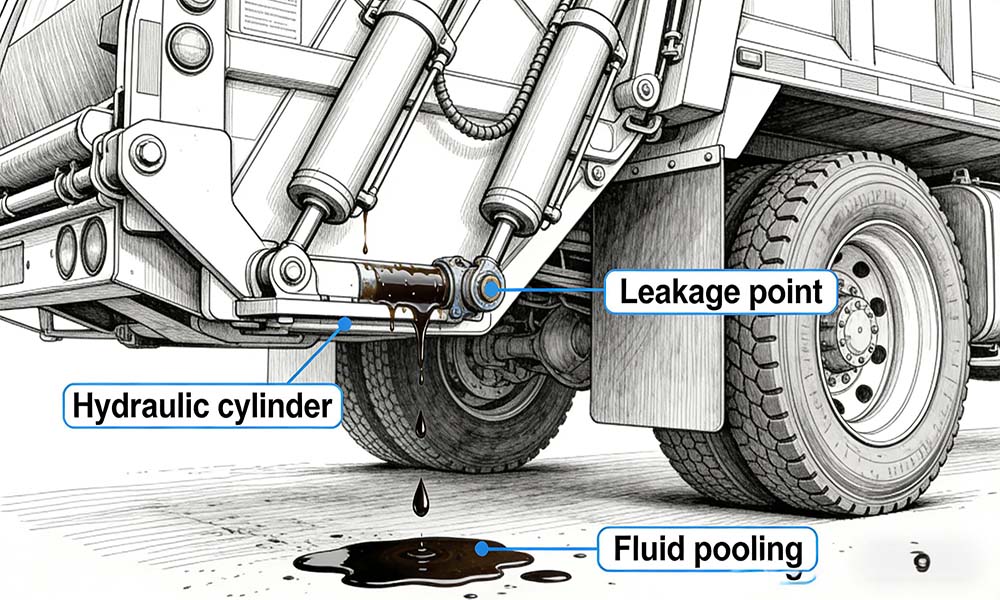
- Oil leakage
- Unstable lifting movements
Causes:
- Worn seals or hoses
- Contaminated hydraulic oil
- Overheating
Practical solutions:
- Regularly check hydraulic oil quality
- Replace worn seals and hoses
- Avoid overloading the system
A deeper understanding of how the system operates can help prevent these issues. You can refer to a detailed explanation of how garbage truck compactor works to better understand the hydraulic mechanism.
Compactor Not Working Properly
Compactor issues are among the most frequently reported problems. When the compactor fails, waste cannot be compressed efficiently, reducing capacity and increasing operational costs.
Common problems:
- Compactor stops midway
- Incomplete compression
- Unusual noise during operation
Causes:
- Hydraulic pressure issues
- Mechanical blockage
- Control system malfunction
Solutions:
- Inspect hydraulic pressure levels
- Remove debris stuck in the compactor
- Check electrical control systems
Understanding the correct compaction capacity and usage can also reduce stress on the system. You can review this garbage truck capacity guide to ensure the truck is used within its designed limits.
Garbage Leakage During Transport
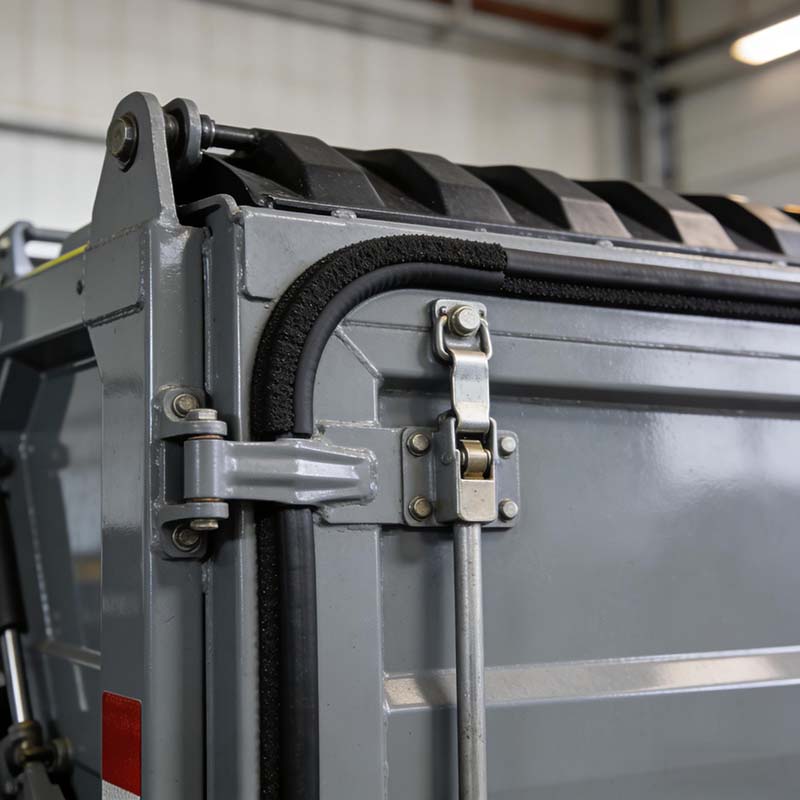
Garbage leakage is not only an operational issue but also a public health concern. It often occurs when sealing systems are damaged or improperly maintained.
Causes:
- Worn rubber seals
- Improper loading
- Structural damage to the container
Solutions:
- Replace seals regularly
- Avoid overfilling the truck
- Inspect the container structure
Engine and Chassis Problems
Since garbage trucks operate under heavy loads and frequent stops, engine and chassis wear is common.
Common issues:
- Engine overheating
- Brake wear
- Suspension damage
Causes:
- Poor maintenance
- Overloading
- Rough road conditions
Solutions:
- Follow regular maintenance schedules
- Use appropriate load capacity
- Inspect braking and suspension systems frequently
Choosing the right truck configuration from the beginning can help reduce these problems. Reviewing available options on a garbage truck for sale page can provide better insight into suitable models.
Electrical System Failures
Modern garbage trucks rely on electrical systems for control and monitoring. Failures in this system can affect overall performance.
Common issues:
- Control panel malfunction
- Sensor errors
- Wiring problems
Solutions:
- Regularly inspect wiring
- Protect electrical components from moisture
- Replace faulty sensors promptly
Excessive Fuel Consumption
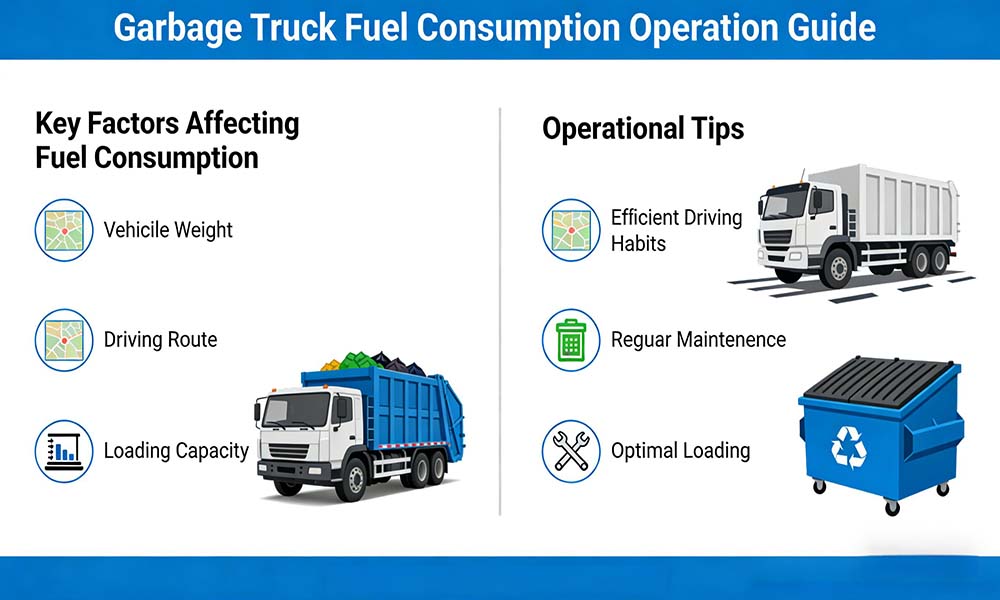
Fuel consumption is a major operational cost for garbage trucks. High fuel usage can significantly impact profitability.
Causes:
- Inefficient driving habits
- Overloading
- Poor engine condition
Solutions:
- Train drivers for efficient operation
- Maintain optimal load levels
- Perform regular engine servicing
Premature Wear and Tear
Garbage trucks are exposed to harsh conditions, including corrosive waste and extreme weather. This leads to faster wear compared to standard vehicles.
Affected parts:
- Steel body
- Hydraulic components
- Sealing systems
Solutions:
- Use corrosion-resistant materials
- Clean the truck regularly
- Apply protective coatings
Operator Errors and Misuse
Not all problems are mechanical. Improper operation is a major cause of damage and inefficiency.
Common mistakes:
- Overloading the truck
- Incorrect compactor operation
- Ignoring warning signals
Solutions:
- Provide proper operator training
- Establish standard operating procedures
- Monitor usage regularly
Preventive Maintenance Strategies
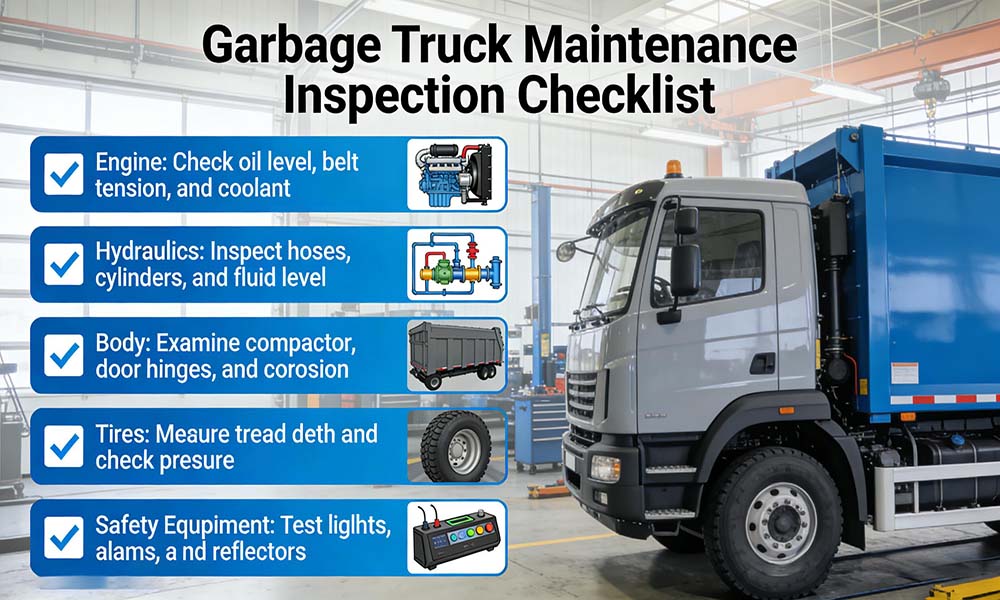
Preventive maintenance is the most effective way to reduce garbage truck problems.
Recommended practices:
- Daily inspection before operation
- Weekly hydraulic system checks
- Monthly full system maintenance
For operators using rear loading systems, understanding the structure of rear loader garbage truck models can help improve maintenance practices and reduce long-term issues.
Reducing Downtime in Real Operations
Downtime directly affects profitability and service efficiency. Reducing downtime requires a combination of good equipment, proper maintenance, and trained operators.
Key strategies include:
- Keeping spare parts in stock
- Scheduling preventive maintenance
- Monitoring vehicle performance data
In large-scale operations, even small improvements in maintenance efficiency can result in significant cost savings.