Camiones de basura para proyectos gubernamentales: guía de compra y licitaciones
Los proyectos gubernamentales de gestión de residuos requieren soluciones confiables y eficientes en materia de camiones de basura. Ya sea para los departamentos municipales de saneamiento o para programas de infraestructura pública a gran escala, la selección de los vehículos adecuados es fundamental para el éxito a largo plazo.
A diferencia de las compras particulares, las compras públicas implican procesos estructurados, especificaciones estrictas y una planificación operativa a largo plazo. Los compradores deben evaluar no solo el producto, sino también la capacidad del proveedor para ofrecer una calidad y un servicio de apoyo constantes.
Requisitos clave en los proyectos gubernamentales
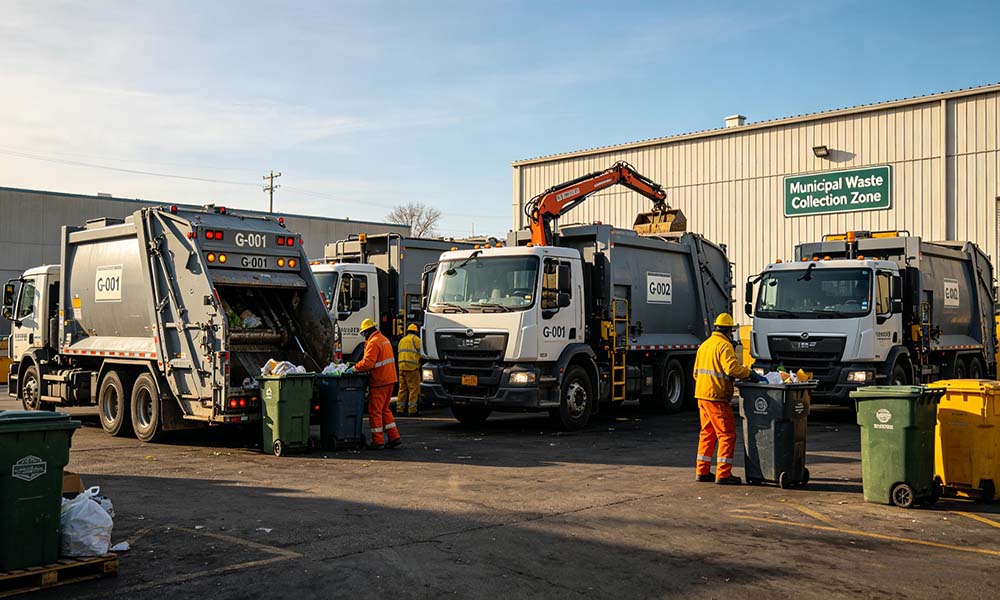
Los proyectos gubernamentales tienen estándares más exigentes en comparación con las compras habituales. Estos requisitos garantizan que los vehículos puedan funcionar de manera confiable en condiciones de servicio público.
Durabilidad y confiabilidad
Los camiones de basura que se utilizan en proyectos municipales deben soportar un funcionamiento diario continuo. Es fundamental que estén fabricados con materiales de alta calidad y que tengan una construcción robusta.
Especificaciones estandarizadas
Los proyectos suelen requerir configuraciones uniformes en varios vehículos para simplificar el mantenimiento y la operación.
Soporte técnico a largo plazo
El servicio posventa, el suministro de repuestos y la asistencia técnica son factores fundamentales para el éxito de un proyecto.
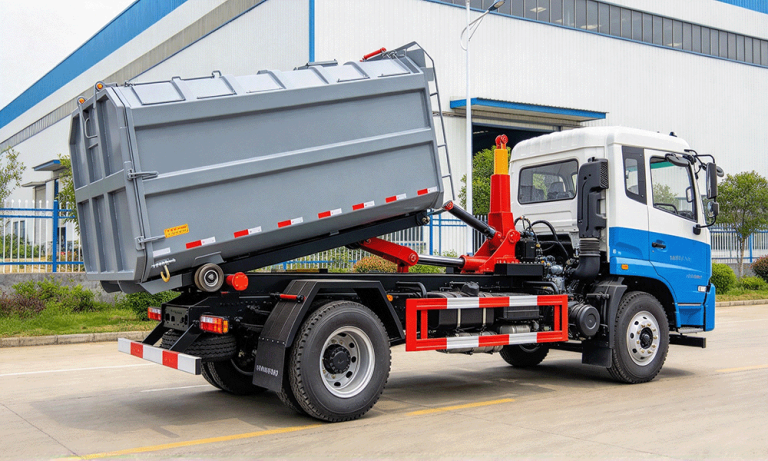
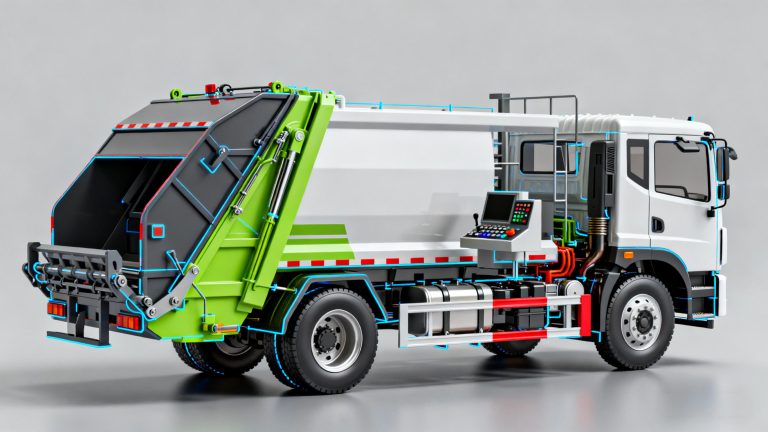
Para los compradores que estén evaluando adquisiciones a gran escala, es importante revisar soluciones para camiones de recolección de residuos municipales puede ayudar a identificar configuraciones adecuadas para su uso en el servicio público.
Tipos comunes de camiones de basura para uso gubernamental
Se utilizan diferentes tipos de camiones de basura según los requisitos de cada proyecto.
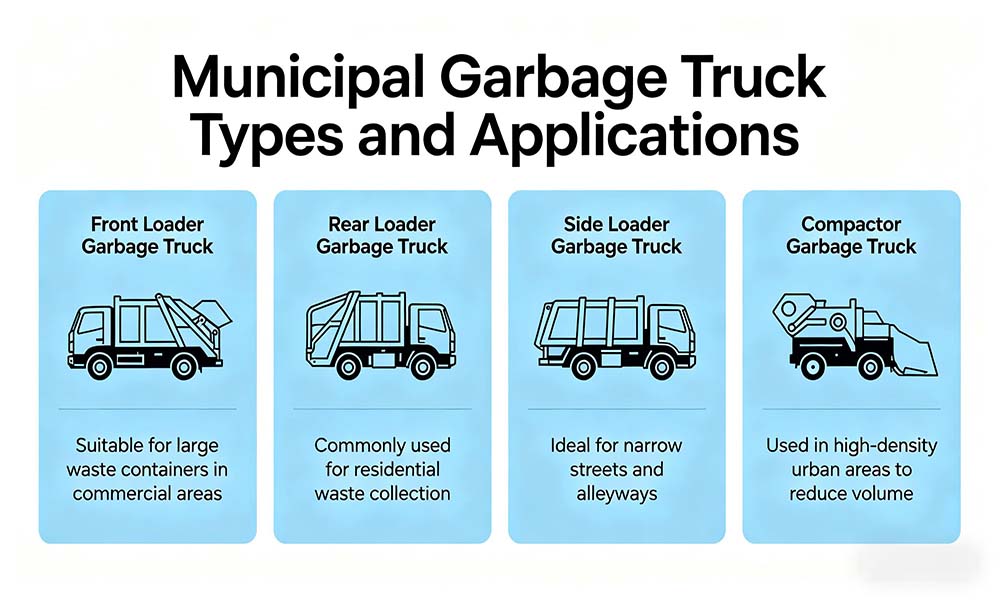
Camiones de carga trasera para zonas residenciales
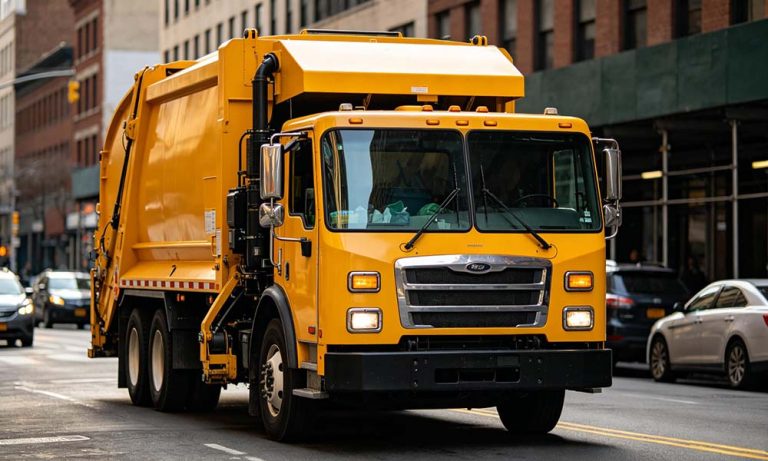
Los camiones de carga trasera se utilizan ampliamente para la recolección de residuos domésticos debido a su flexibilidad y rentabilidad.
Camiones de carga frontal para zonas comerciales
Los camiones de carga frontal son adecuados para la recolección de residuos comerciales en mercados, zonas industriales y distritos comerciales.
Camiones de carga lateral para ciudades inteligentes
Los camiones de carga lateral se utilizan en los sistemas urbanos modernos, donde la automatización y la eficiencia son prioridades.
Es importante comprender cómo funcionan estos sistemas en operaciones reales. Los compradores suelen analizar Resumen del sistema municipal de recolección de basura para comparar diferentes tipos de vehículos.
Proceso de licitación para la adquisición de camiones de basura
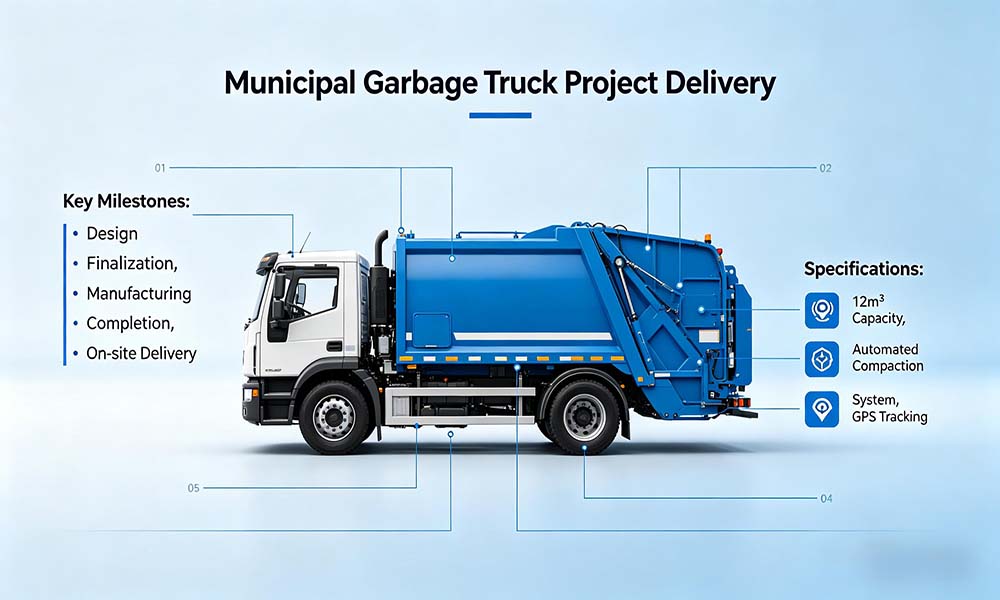
Los proyectos gubernamentales suelen seguir un proceso de licitación estructurado.
Los pasos típicos incluyen:
- Definición de los requisitos del proyecto
- Anuncio de licitación
- Revisión de la calificación de proveedores
- Presentación de propuestas técnicas
- Evaluación de precios
- Adjudicación del contrato
Cada etapa requiere una documentación detallada y el cumplimiento de las especificaciones del proyecto.
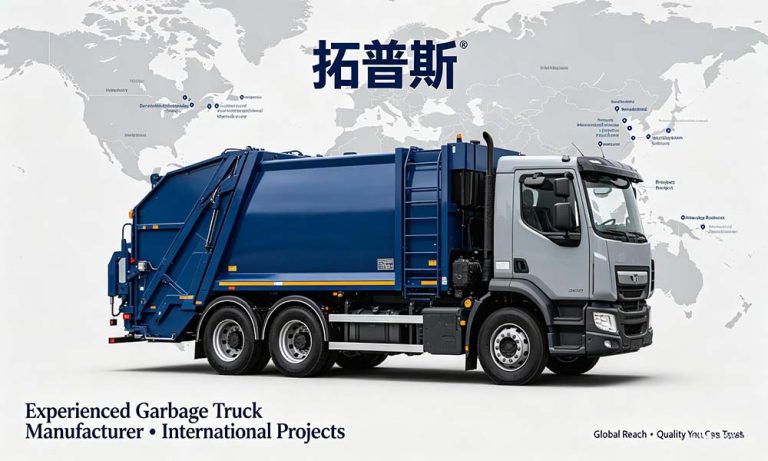
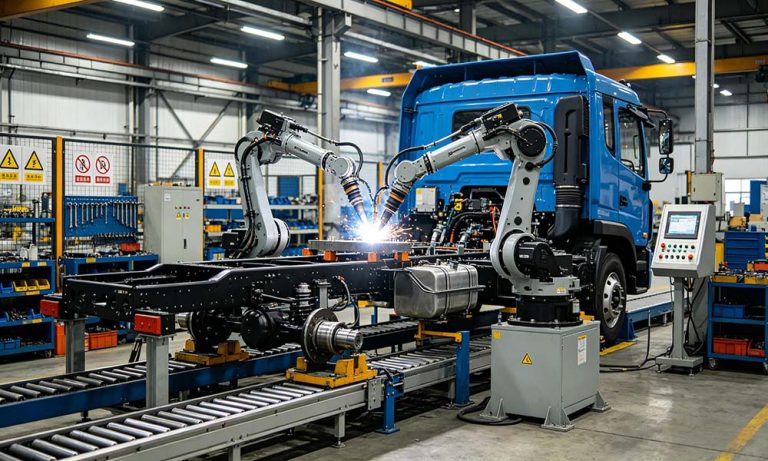
Los proveedores con experiencia en proyectos internacionales pueden apoyar mejor este proceso. Revisar Experiencia como proveedor de camiones para proyectos gubernamentales puede ayudar a evaluar las capacidades de los proveedores.
Especificaciones técnicas que importan
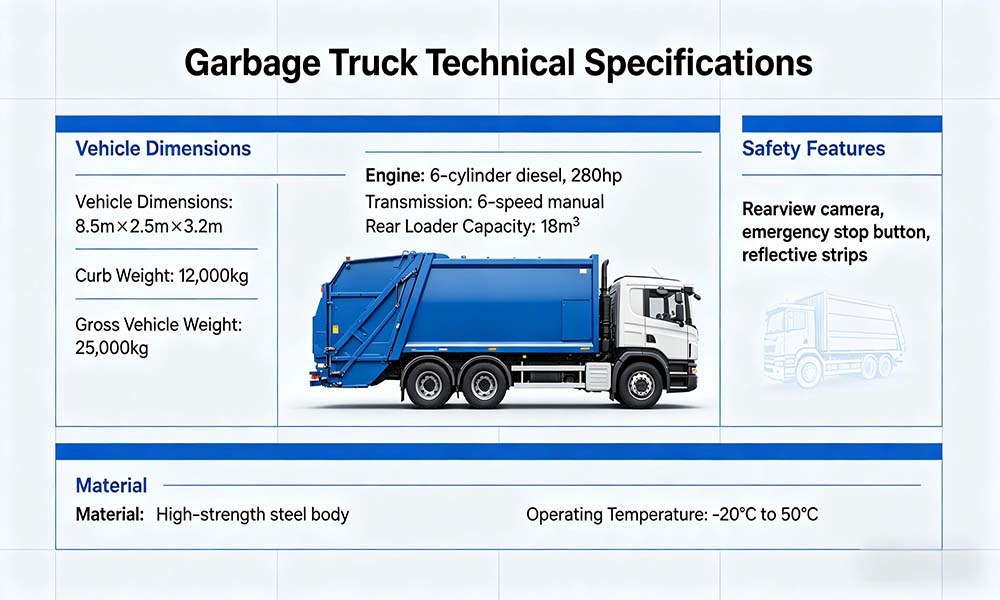
Al evaluar las ofertas, las especificaciones técnicas desempeñan un papel fundamental.
Entre los parámetros importantes se incluyen:
- Capacidad del vehículo
- Ratio de compactación
- Rendimiento del sistema hidráulico
- Eficiencia en el consumo de combustible
- Normas de emisiones
Los compradores suelen comparar los datos técnicos utilizando un Lista de verificación de especificaciones para camiones de basura municipales para garantizar el cumplimiento de los requisitos del proyecto.
Planificación presupuestaria y control de costos
Los proyectos gubernamentales requieren una planificación presupuestaria cuidadosa.
Componentes clave de los costos:
- Precio de compra del vehículo
- Transporte y logística
- Aranceles e impuestos de importación
- Mantenimiento y repuestos
- Capacitación de operadores
Centrarse únicamente en la oferta más baja puede generar mayores costos a largo plazo. Los compradores suelen evaluar las propuestas utilizando un Evaluación del costo de los camiones de basura del gobierno para lograr un equilibrio entre precio y calidad.
Criterios de evaluación de proveedores
La selección del proveedor adecuado es uno de los pasos más importantes en un proyecto gubernamental.
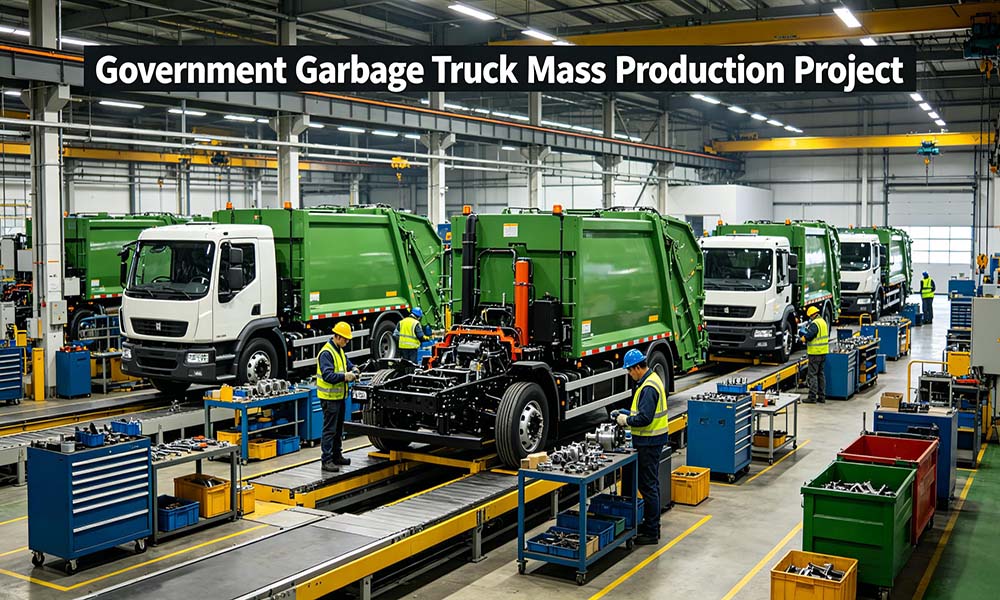
Capacidad de producción
El proveedor debe poder entregar varias unidades dentro del plazo establecido.
Control de calidad
Es fundamental que la calidad sea constante en todas las unidades.
Experiencia en exportación y proyectos
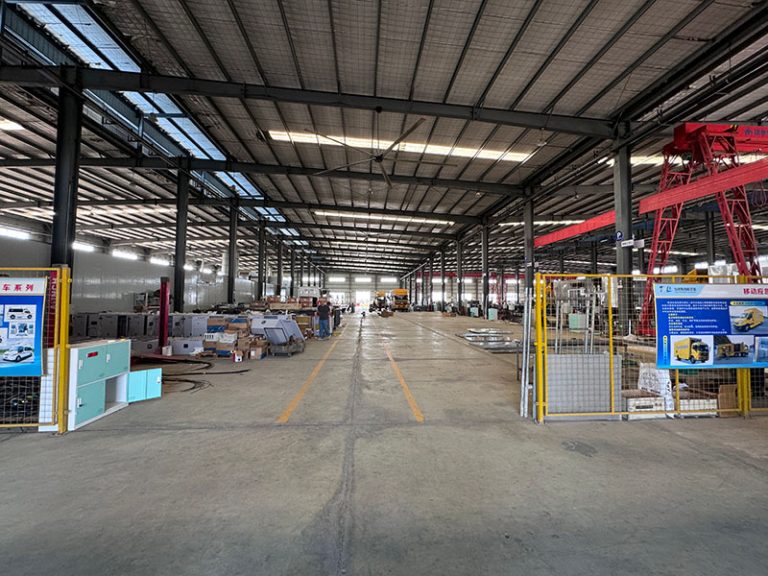
Los proveedores con experiencia en proyectos gubernamentales internacionales son más confiables.
Servicio posventa
El soporte a largo plazo garantiza un funcionamiento continuo.
En el caso de las adquisiciones a gran escala, revisar Perfil del proveedor de camiones de basura del gobierno puede ayudar a identificar socios confiables con experiencia comprobada.
Desafíos comunes en los proyectos gubernamentales
Algunos problemas comunes son:
- Retrasos en la entrega
- Calidad inconsistente del producto
- Falta de repuestos
- Falta de comunicación
Estos retos pueden afectar los plazos de los proyectos y la eficiencia operativa.
Prácticas recomendadas para una adquisición exitosa
Estrategias recomendadas:
- Definir claramente los requisitos técnicos
- Trabaja con proveedores con experiencia
- Asegúrate de que los términos del contrato sean adecuados
- Plan de mantenimiento a largo plazo
Los compradores que siguen estas prácticas tienen más probabilidades de lograr resultados exitosos en sus proyectos.
Fomentar la cooperación a largo plazo
Los proyectos gubernamentales suelen dar lugar a alianzas a largo plazo entre compradores y proveedores. Generar confianza y mantener una calidad constante son elementos clave para la colaboración futura.
Los proveedores que ofrecen productos confiables y un sólido servicio de apoyo tienen más probabilidades de conseguir pedidos recurrentes y ampliar su presencia en el mercado.